Alphabet Just Raised $80 Billion for AI — and Berkshire Hathaway Is Along for the Ride
On June 1, 2026, Alphabet announced an $80 billion equity capital raise to fund AI compute infrastructure. That’s not a typo. Eighty. Billion. Dollars. And $10 billion of it is coming from Berkshire Hathaway — Warren Buffett’s company betting big on AI infrastructure for the first time.
The raise consists of three parts: $30 billion in underwritten offerings (including $15 billion in mandatory convertible preferred stock), $10 billion from Berkshire Hathaway in a private placement, and $40 billion through an at-the-market (ATM) program starting in Q3. Goldman Sachs, JPMorgan Chase, and Morgan Stanley are running the books.
🔍 THE BOTTOM LINE
The largest equity raise in tech history isn’t for a new product — it’s for data centers, chips, and compute capacity. The AI infrastructure arms race just got a Buffett-sized endorsement.
Why Now, and Why So Much
Alphabet says demand for its AI solutions “is exceeding the company’s available supply.” CEO Sundar Pichai recently said what keeps him up at night is “compute capacity” — power, land, supply chain constraints, and the sheer scale of what it takes to meet AI demand.
The company revised its 2026 capex forecast to $180-190 billion, up from the previous $175-185 billion estimate. And they’re not alone: CNBC reports that Alphabet, Microsoft, Meta, and Amazon are expected to pour more than $700 billion combined this year into capex. Wall Street analysts estimate total AI capex could exceed $1 trillion in 2027.
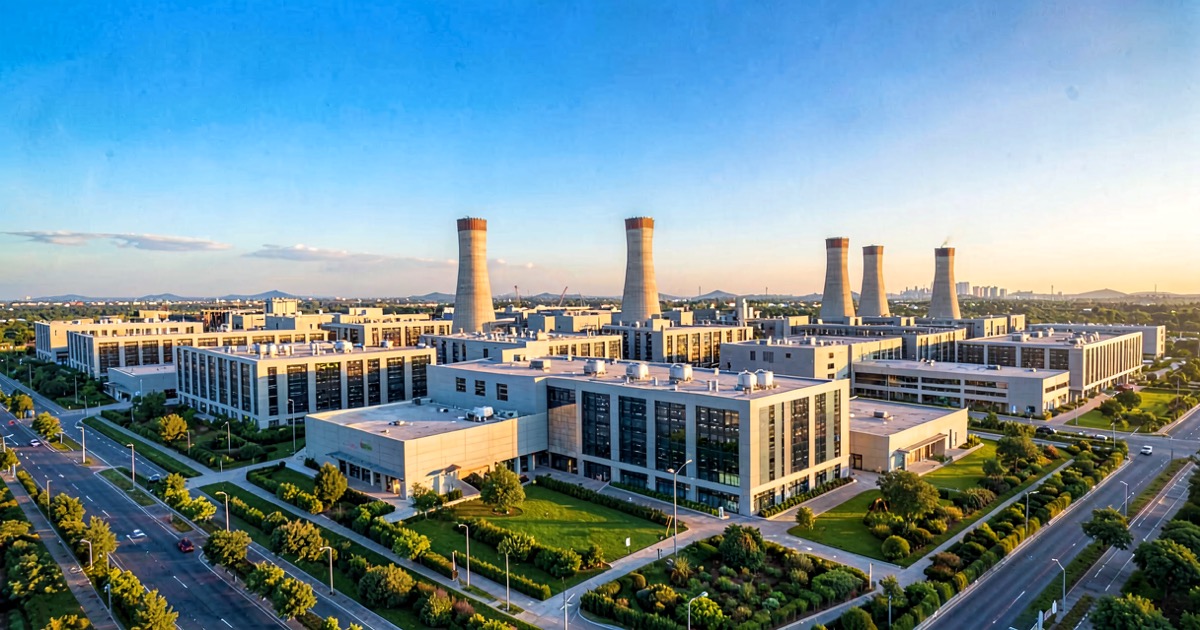
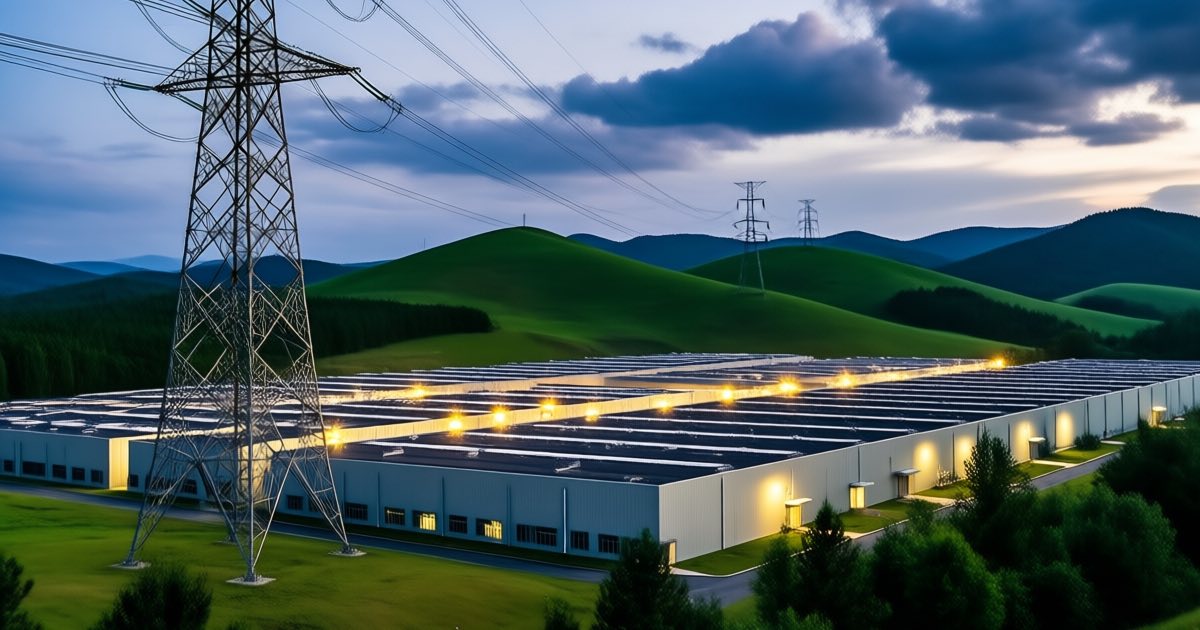
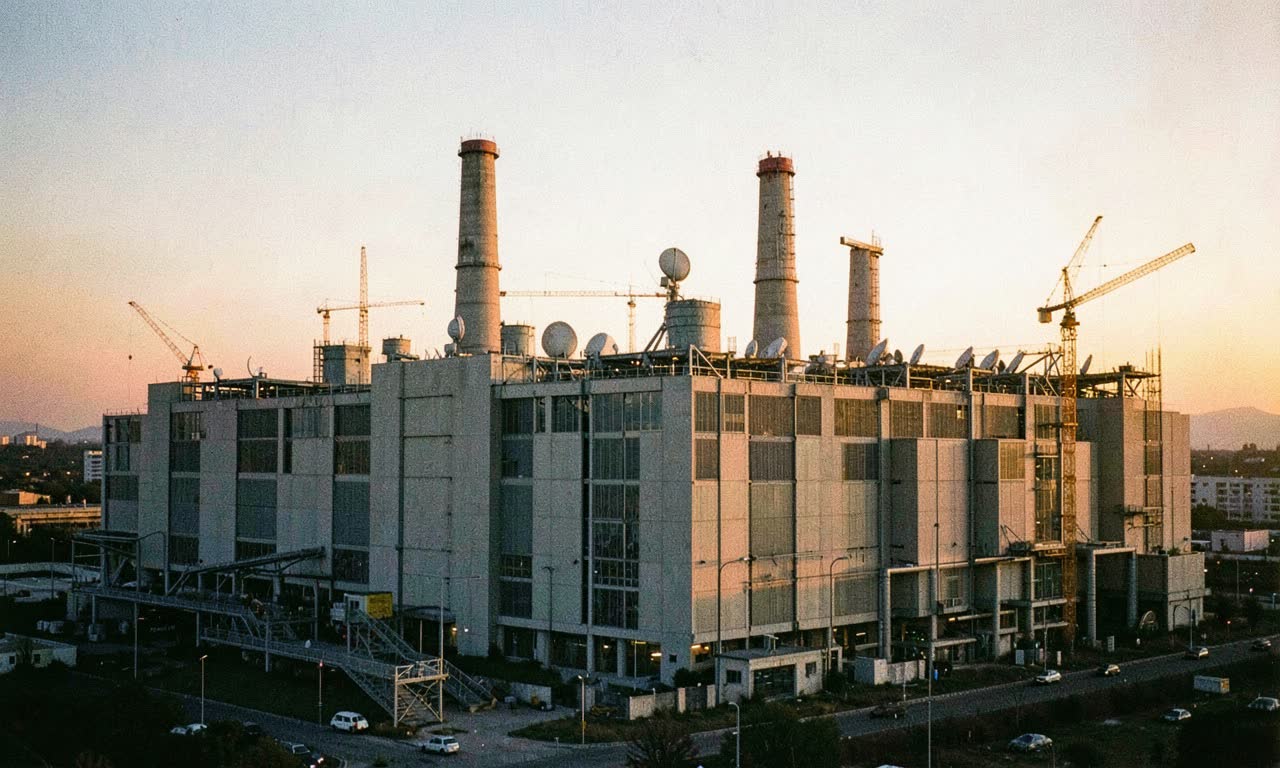
This is what “compute is the new oil” actually looks like in practice. These companies aren’t just buying GPUs — they’re building power plants, laying fiber, constructing data centers on multiple continents, and locking up nuclear energy contracts. The $80 billion raise is Alphabet’s way of telling the market: we’re going to spend more than anyone thought possible, and we need your money to do it.
The Berkshire Angle
Berkshire Hathaway’s $10 billion anchor investment is the eye-catching part. Buffett has historically avoided tech stocks — his Apple position was a rare exception — and Alphabet is now one of Berkshire’s top holdings, with a pre-raise stake worth about $20 billion.
This isn’t Buffett making a venture bet. This is Buffett buying infrastructure. He sees Alphabet the way he saw railroad stocks in the 2000s: a toll collector on a secular trend that isn’t going away. AI needs compute. Compute needs data centers. Data centers need capital. Berkshire is providing capital and collecting a return.
The Debt Context
The equity raise doesn’t happen in a vacuum. Alphabet already raised over $30 billion in a global bond issuance in February 2026, another $11 billion in European markets (sterling and Swiss francs), and $25 billion in November 2025. Combined with this $80 billion equity raise, Alphabet has accessed over $145 billion in capital in the past seven months alone.
That’s staggering. And it tells you everything about the scale of the AI buildout. These aren’t incremental improvements to existing infrastructure — this is the equivalent of building the entire interstate highway system, but for compute.
🔍 THE BOTTOM LINE
Alphabet’s $80 billion raise isn’t just a financing event — it’s a declaration. The company that already spends more on AI infrastructure than most countries’ GDP is saying it needs to spend even more, and it’s willing to dilute shareholders to do it. Berkshire Hathaway’s $10 billion anchor says Buffett thinks that bet will pay off.
❓ Frequently Asked Questions
Q: What does this mean for NZ? NZ investors holding Alphabet shares (directly or through index funds) face dilution from the equity raise, but the long-term thesis is that AI infrastructure spending will generate returns. The NZ Super Fund, which holds significant US tech exposure, will be affected. More broadly, Alphabet’s infrastructure buildout includes Australia and Asia-Pacific data centers, which will improve AI latency for NZ users.
Q: What changed? Alphabet went from “we’re spending a lot on AI” to “we need $80 billion more than we have.” The revised capex guidance ($180-190B) and the decision to raise equity rather than just debt signals that demand is outstripping supply faster than expected.
Q: What should I do? Don’t panic-buy or panic-sell. This is a long-term infrastructure play. Watch for Alphabet’s Q3 earnings to see if the additional capacity translates into revenue. And keep an eye on whether the other hyperscalers follow suit with similar raises.
🗣️ Our Take
When Warren Buffett puts $10 billion into something, it’s not a hunch — it’s a conviction. And Buffett’s conviction is that AI compute is the railroad of the 2020s: expensive to build, essential to use, and extraordinarily profitable to own. He’s probably right.
The question isn’t whether Alphabet can spend $80 billion. The question is whether the returns justify it. Alphabet’s stock has more than doubled in the past year, outperforming all megacap peers. Investors are clearly buying the story. But $180 billion in capex requires revenue growth that matches — and the history of infrastructure overbuild is littered with companies that bet too big, too fast.
Our bet? Compute demand is real, but the margins on AI infrastructure will compress as capacity comes online. The companies that win won’t be the ones that spend the most — they’ll be the ones that spend it fastest and smartest. Alphabet just bought itself the right to spend faster than anyone else. Now it has to prove it can spend smarter.
SOURCES
- CNBC — Alphabet to raise $80 billion from stock sales to fund AI buildout
- Alphabet Investor Relations — Proposed $80 Billion Equity Capital Raise
- Bloomberg — Alphabet’s $80 Billion AI Raise Gets $10 Billion Berkshire Bet
- TechCrunch — Alphabet plans to raise $80 billion to pay for AI buildout