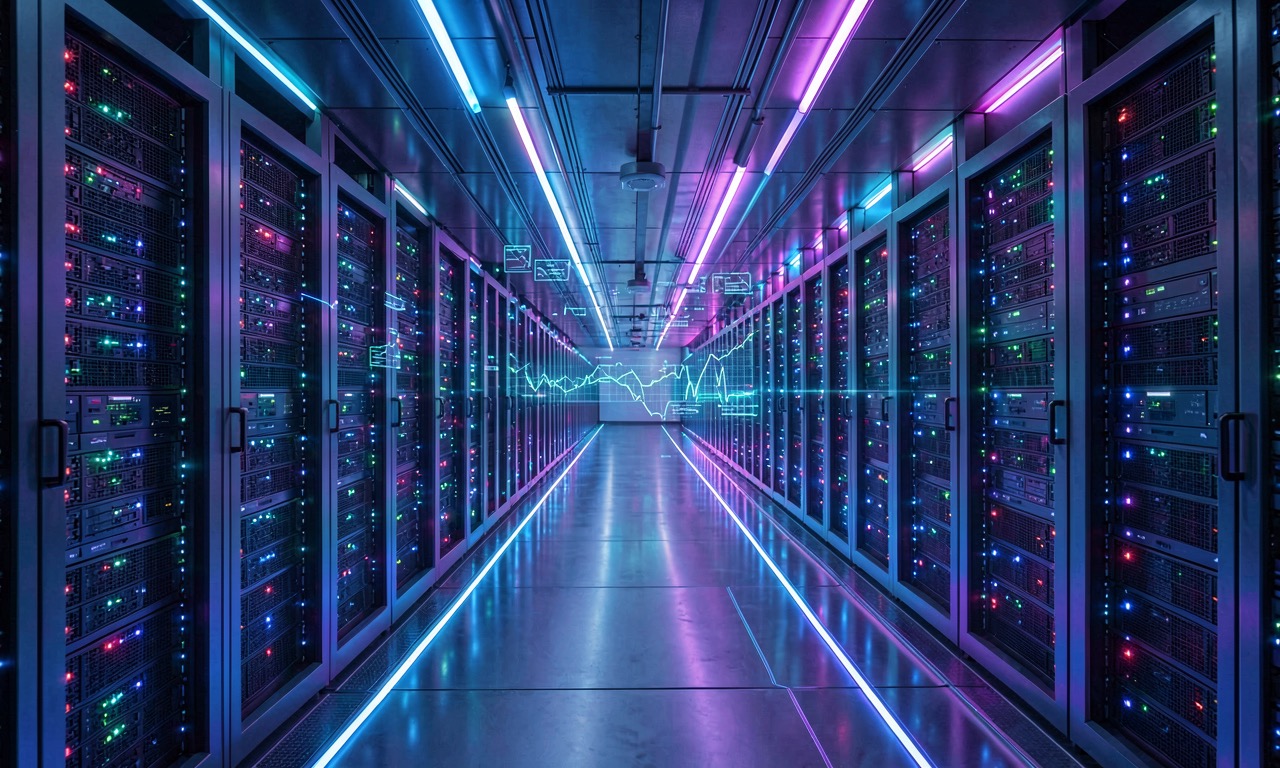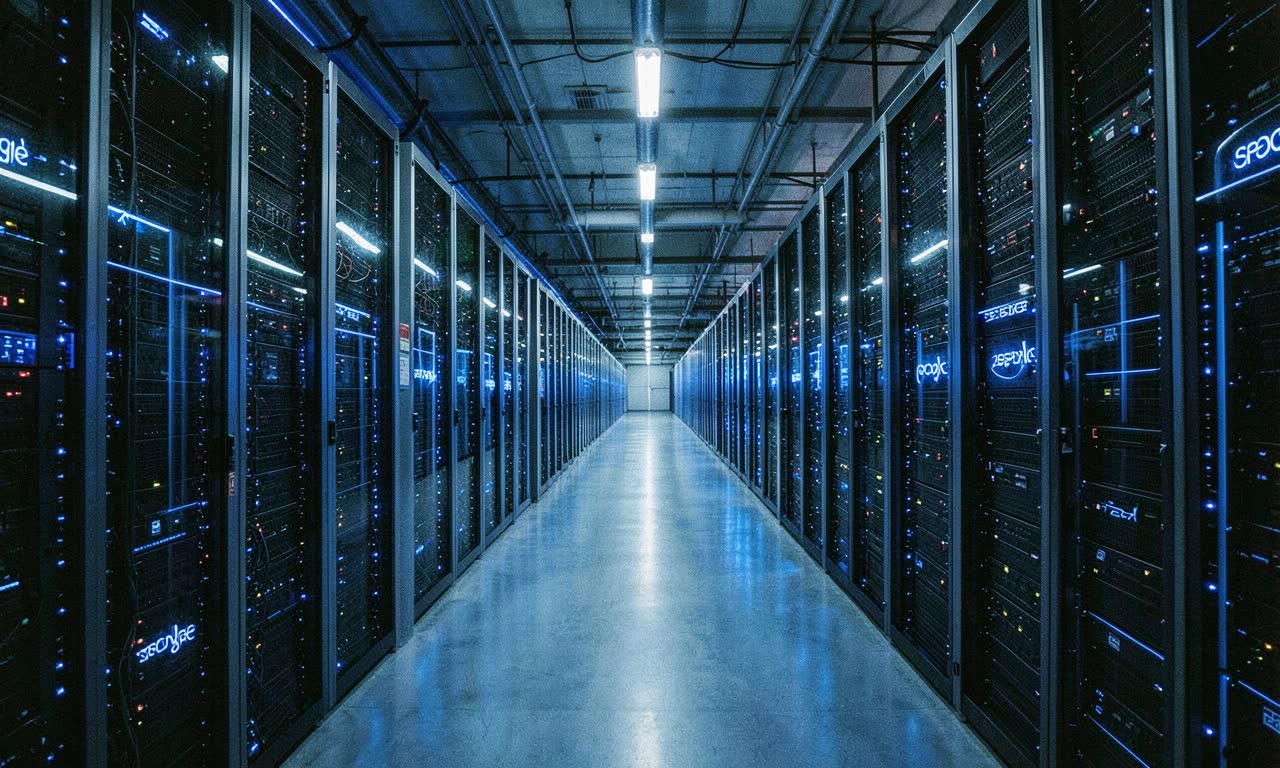
Google has agreed to pay SpaceX $920 million per month — roughly $30 billion over the full term — to rent 110,000 Nvidia GPUs housed at data centres tied to xAI, according to a regulatory filing tied to SpaceX’s historic initial public offering.
The world’s largest single owner of AI compute just admitted it cannot build fast enough to keep up.
🔍 THE BOTTOM LINE: Google spent $180 billion in capex this year, builds its own custom TPU chips, and is still so desperate for compute that it’s renting from a rocket company. The AI compute crunch isn’t a rumour — it’s a $30 billion contract.
The Deal
The terms, disclosed in SpaceX’s IPO filing, run from October 2026 through June 2029. Google gets access to approximately 110,000 Nvidia GPUs plus CPUs, memory, and related infrastructure at xAI-operated data centres — now part of SpaceX following their February merger.
This follows a similar arrangement where Anthropic also buys compute from SpaceX’s xAI division. The rocket company has effectively become one of the world’s largest AI compute resellers.
Why Google Needs a Rocket Company
Google has spent years positioning itself as immune to GPU dependence. It built Tensor Processing Units (TPUs) specifically to sidestep Nvidia. By some estimates, Google owns more AI compute than any other organisation on earth — including the hyperscalers.
So why is it renting at 11-figure prices?
- Demand is outstripping supply. Even Google’s capacity is insufficient for its internal AI ambitions combined with its cloud commitments.
- Speed matters. Building data centres takes years. Renting existing capacity takes months.
- xAI’s colossus cluster is already operational with the power and cooling infrastructure Google would need to build from scratch.
As one industry analyst put it: you can’t build a data centre faster than SpaceX can launch a rocket, but you can cut a cheque.
What This Means
For the AI industry: If Google — with its $180B capex, custom silicon, and hyperscale cloud — can’t get enough GPUs, nobody else can either. This deal is a signal that the compute bottleneck will define 2026-2029.
For Nvidia: Rarely has a single company’s supply constraints been laid so bare. Nvidia’s allocation decisions are now visible through the lens of the world’s largest companies signing desperate supply deals.
For SpaceX: The IPO filing reveals a company that has become an AI infrastructure play as much as a space company. The xAI merger turned a rocket builder into a compute broker.
❓ FAQ
How does this compare to Google’s capex? Google committed $180 billion in capital expenditure this year. The SpaceX deal adds roughly $11 billion annually on top.
Does Google need this much GPU? The deal suggests Google’s internal AI demand plus Google Cloud commitments are exceeding even their massive TPU and GPU buildouts.
What happens in June 2029? Google either builds enough capacity by then, or extends. Given AI demand growth curves, extension is the likelier bet.
🔍 THE BOTTOM LINE: When the world’s largest compute owner pays a rocket company more in monthly rent than most startups raise in total funding, the AI compute shortage narrative graduates from “concern” to “existential market force.”
📰 Sources: Eastern Herald, CXO Today