ASML’s CEO Just Called Musk’s Terafab Realistic. That Changes Everything.
🔍 THE BOTTOM LINE
Every serious analyst has dismissed Elon Musk’s Terafab — a planned terawatt-scale AI supercomputer — as unrealistic. The CEO of ASML, the one company on Earth that makes the lithography machines every advanced chip fab depends on, just called it an “upside opportunity” and said ASML is already tracking it. When the sole supplier of the most critical tool in the semiconductor supply chain says a project is real, the project is real.
What ASML Actually Said
In an 11-minute interview on Bloomberg TV, the ASML CEO was asked directly about one terawatt of compute power — the scale of Musk’s planned Terafab. He did not laugh. He did not hedge. He compared it to the massive DRAM megaprojects in Korea and said: “New projects are opportunity.”
Then he said something most people missed: ASML is already watching the Terafab very carefully. Tracking when things will happen. At what speed.
That is not how you talk about a fantasy project. That is how you talk about a customer.
Ihtesham Ali broke this down on X, pulling 319 likes and 33 retweets. His framing is sharp: “The mainstream take on the Terafab is that Musk is dreaming. The CEO of the most critical company in the entire chip supply chain just said he is preparing for it. Those are not the same position.”
Why ASML’s Opinion Is the Only One That Matters
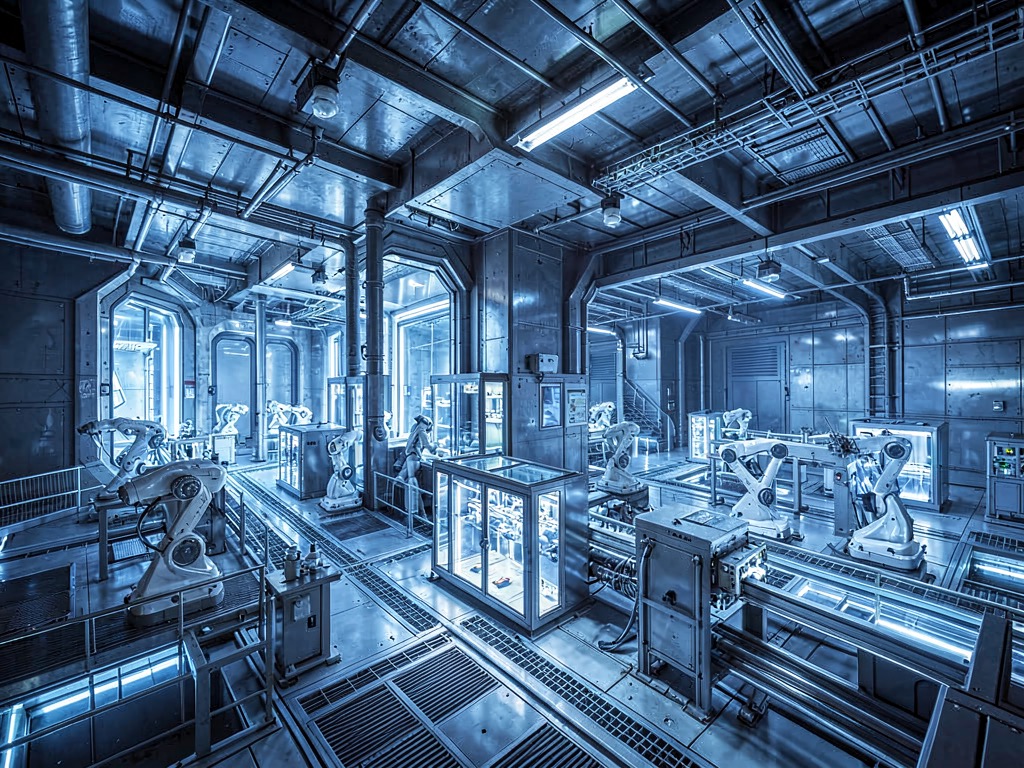
ASML holds an unparalleled monopoly on Extreme Ultraviolet (EUV) lithography machines. These are the most complex devices ever built by humans — each one costs roughly $200 million, takes years to manufacture, and there is no alternative supplier. You cannot print an advanced chip without ASML. There is no workaround. There is no second source.
If the Terafab gets built, every single lithography machine inside it comes from one company. ASML doesn’t just sell equipment — they control the physical possibility of modern advanced silicon fabrication.
When financial analysts say a megaproject is unrealistic, they are guessing. When the CEO of the sole necessary supplier says he is preparing for it, he is looking at his production pipeline and booking capacity. The difference between those two positions is the difference between speculation and industrial reality.
The Terafab Scale Problem
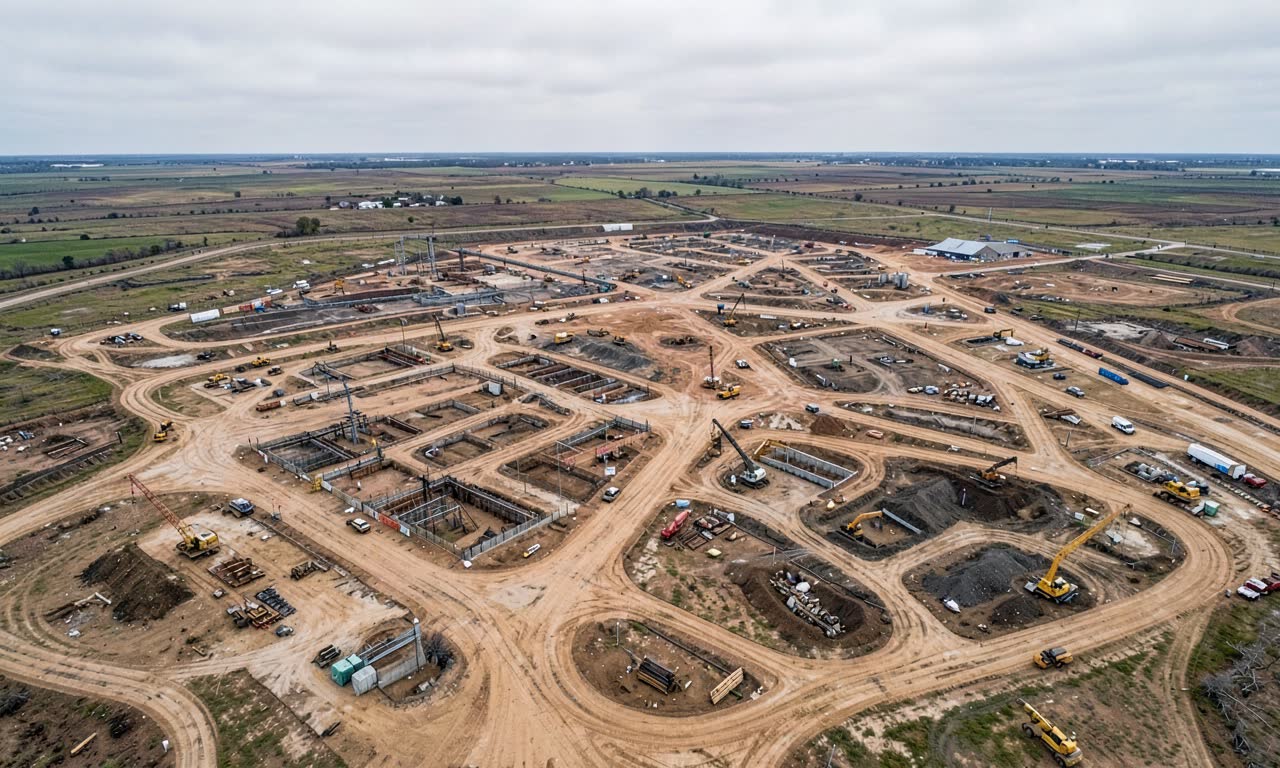
SpaceX filed plans for a $55 billion Terafab chip plant in Texas — Musk’s bet on vertical integration of AI compute. The scale is staggering: a terawatt of power, which is roughly the output of a thousand nuclear reactors. Most analysts dismissed it as exceeding known engineering constraints.
But when the ASML CEO compared it to Korean DRAM megaprojects, he was anchoring the discussion in historical precedent. The Korean semiconductor industry built facilities that seemed impossible at the time — Samsung and SK Hynix DRAM fabs that redefined the scale of what was considered buildable. ASML supplied those too. The comparison is not casual. It is a CEO saying: we have seen this scale before, and we are ready for it again.
The barrier is no longer “can it be built?” The barrier is “how fast can we equip it?”
What This Means for the AI Arms Race
If the Terafab comes online at scale, it represents an unprecedented level of vertical integration. Musk would control:
- The silicon: Terafab manufactures the chips
- The compute: xAI runs the models on those chips
- The models: Grok and future xAI models train on that compute
- The distribution: X (Twitter) and Tesla deliver AI to end users
This fundamentally alters the competitive landscape. Google, OpenAI, and Anthropic rely on a fragmented mix of cloud services, NVIDIA GPUs, and TSMC-manufactured chips. Musk would own the entire stack — from sand to model weights.
The race shifts from “who can buy the most GPUs” to “who can secure access to ASML’s next-generation lithography capacity.” That is a race Musk is uniquely positioned to win, because he is building the fab that buys the machines.
The NZ Angle
New Zealand imports every advanced chip it uses. Our entire digital infrastructure — from data centres to phones to AI model inference — depends on a supply chain that runs through ASML, TSMC, and a handful of fabs in Taiwan, Korea, and the US. If Musk builds Terafab and locks up a significant portion of ASML’s EUV output, the knock-on effects on global chip supply could affect everyone, including us.
This is the sovereignty angle we keep returning to: New Zealand has no domestic chip manufacturing capability. Our participation in the AI economy is entirely contingent on the stability of a supply chain that a single billionaire can now reshape by buying enough machines from a single Dutch company. That is not a theoretical risk. It is a structural dependency.
The Other Side
Three honest counterarguments:
-
ASML is talking its own book. ASML has a vested interest in keeping demand expectations high. Endorsing a massive project keeps investors interested and potential competitors cautious. A CEO hypoping a potential customer’s plan is not the same as a signed contract.
-
Megaprojects fail. History is littered with announcements of impossible-scale facilities that never materialised. Musk himself has a track record of announcing timelines that slip by years. The Terafab filing does not mean the Terafab is built.
-
Timeline overkill. Even if technologically feasible, a terawatt facility requires unprecedented coordination across energy infrastructure, permitting, workforce, and raw materials. Power generation alone could take a decade to permit and build. Money cannot solve every bottleneck.
❓ FAQ
What is the Terafab? Musk’s planned terawatt-scale AI supercomputer and chip manufacturing facility, filed via SpaceX at an estimated $55 billion. It would be the largest single-site AI compute installation ever built.
What did the ASML CEO actually say? In a Bloomberg TV interview, he compared the Terafab to Korean DRAM megaprojects, said “new projects are opportunity,” and confirmed ASML is actively tracking the project’s timeline and speed.
Why does ASML’s opinion matter more than analysts’? ASML is the sole supplier of EUV lithography machines. No advanced chip can be manufactured without their equipment. If ASML says they are preparing for a project, it means they are allocating production capacity — not offering commentary.
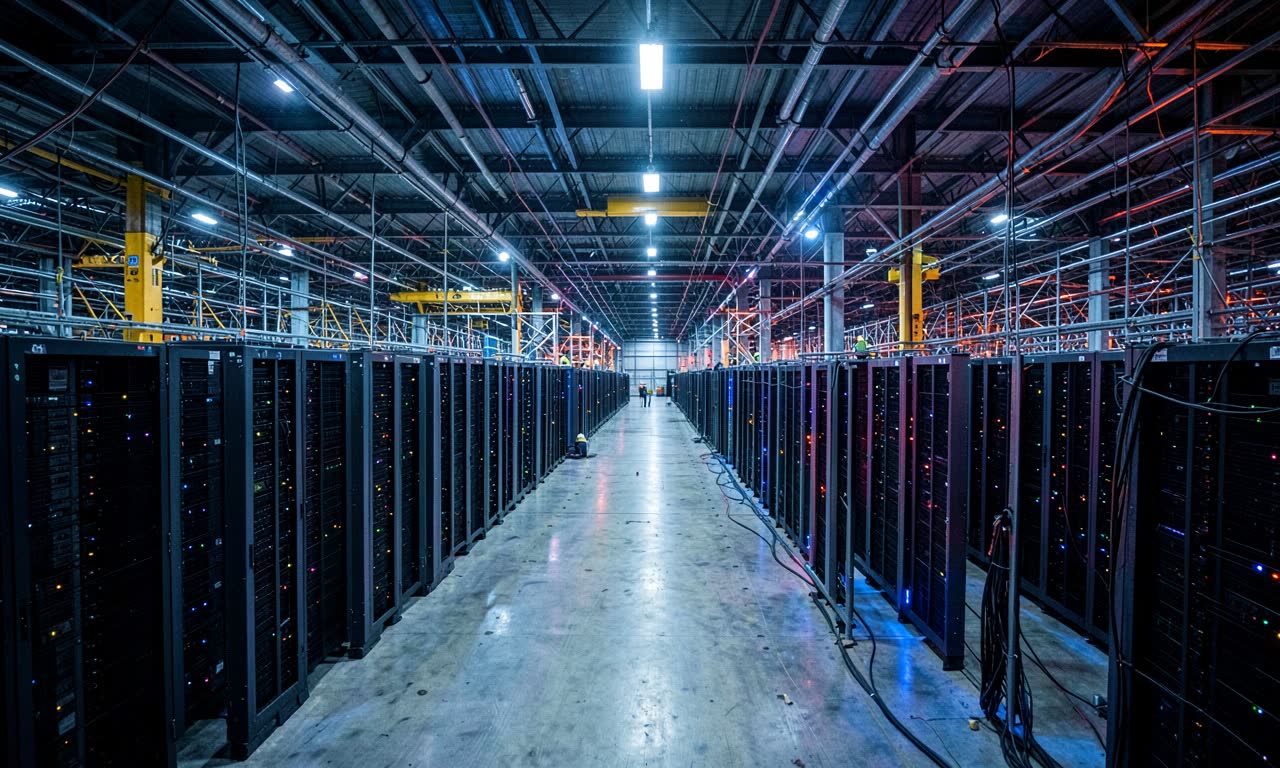
What is a terawatt of compute? Roughly the output of a thousand nuclear reactors. The scale is unprecedented for a single facility. Power generation and cooling are the primary bottlenecks, not chip manufacturing.
How does this affect the AI industry? If Musk controls chip manufacturing, compute, and models vertically, competitors like Google, OpenAI, and Anthropic face a player who doesn’t need to buy GPUs or rent cloud compute — he makes both.
🔍 THE BOTTOM LINE
The mainstream take is that Musk is dreaming. The CEO of the one company that makes dreaming impossible just said he is preparing. When the sole supplier of the most critical tool in the semiconductor supply chain books capacity for your project, the question is no longer “is it real?” but “how soon?” ASML just answered that.