Some robotics stories are interesting because of the hardware. This one is interesting because of what had to happen before the hardware: a university robotics team and a Māori studies researcher spending five years working out how sign language should look when it is built with — not for — the community that will use it.
The University of Auckland says its robotic sign-language interpreters for Turi Māori (Māori who are deaf) are now built and functioning within its research lab. Dr Tauwehe Tamati, who leads the project alongside Dr Ho Seok Ahn, told RNZ’s Morning Report the signs were developed in partnership with Turi Māori, whānau, iwi and hapū — a sign vocabulary underpinned by a Māori worldview rather than lifted wholesale from existing conventions.
How you teach a robot to sign
The method is refreshingly concrete. Māori sign-language models were filmed and photographed so the system could capture the parts of communication that never make it into a dictionary — mannerisms, lip movement, the physical texture of how a person actually signs. A weighted multimodal network, an AI system that fuses those inputs, then gives the robots their ability to interpret the signs.
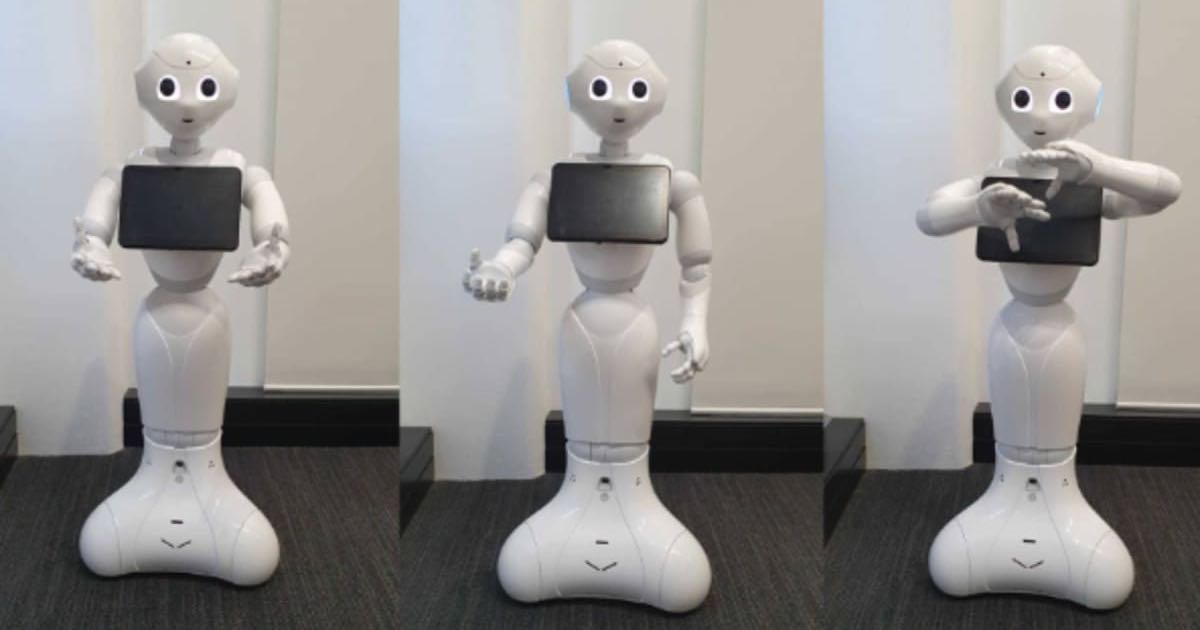
The robots themselves are Pepper-type humanoids, and the team built them at both adult and children’s sizes. That last detail matters more than it sounds: an interpreter a child can face at eye level is a different social object than a machine that towers over them.
A promise to her father
Tamati’s reason for joining is the part of this story that will stay with people. Her father was hard of hearing for most of his life and profoundly deaf in his final 20 years. He grew up in Te Ao Māori, worked the pā, and slowly stopped going — her family making excuses for him because he was deaf, unable to help him through it.
“So when my engineering colleagues approached me about the project, I just thought of him and said, ‘I’ll do this for dad,’” she told RNZ.
That withdrawal from marae life is the specific problem the project is aimed at. Communication technology for deaf communities usually arrives shaped by English and by overseas sign systems. This one started from the marae, and from the people who would be standing on it.
Where it stands
Work began more than five years ago under the Science for Technological Innovation National Science Challenge, with support from the Vision Mātauranga Fund and, in 2024, the Endeavour Fund. There is no deployment date and no product in this announcement — this is a research platform working in a lab, and it is honest to report it that way.
But the hapū is already involved at scale. “I think our project now has reached such a level of success that we do have all the people in the hapū excited and participating,” Tamati said. “They don’t need to hear us. They just look around and they know they can feel they are the reason why we’re all helping.”
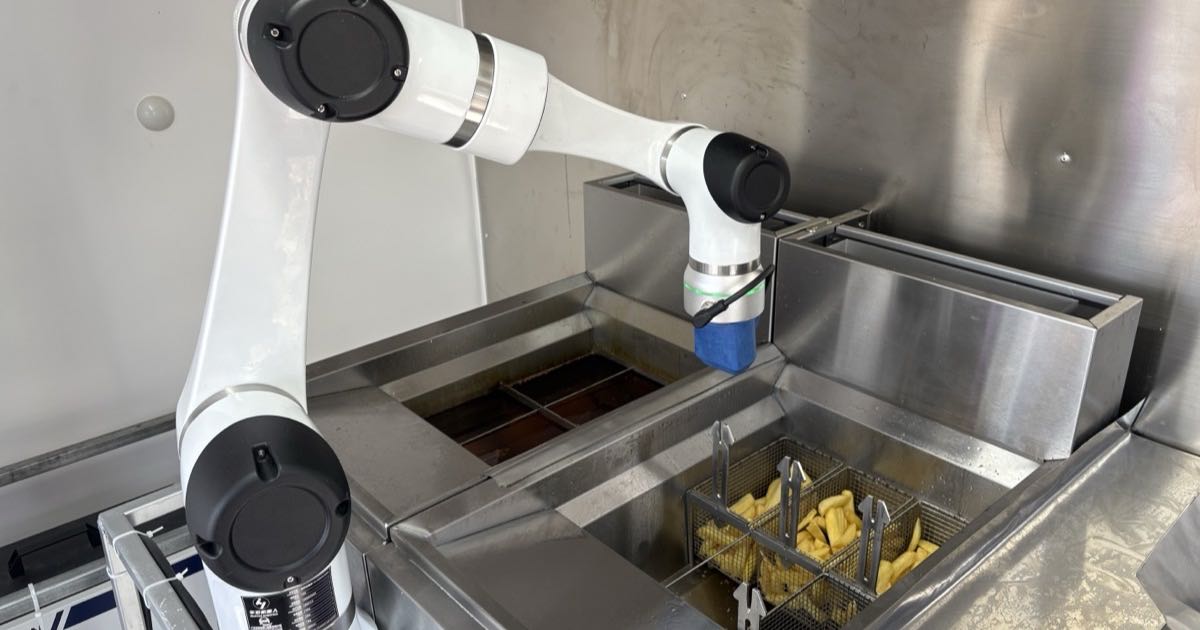
It also slots into a quietly good run for New Zealand robotics: a robot frying chips at NZ Tech Expo in Auckland last weekend showed local operators putting machines to unremarkable, useful work, while research teams here are attacking the harder problems — robots that navigate when their sensors can’t see, and robot brains that know when to refuse. An accessibility project that treats culture as a design requirement, not a bolt-on, is a different kind of proof point: the hardest part of this robot was never the arm.
Source: RNZ