Three stories landed this morning, and they are one story. A Fields Medalist says an unreleased OpenAI model wiped out his research field. DeepSeek is putting billions into teaching robots, not chatbots. And one in four NZ teenagers seeking work cannot find any while adult unemployment barely moved. The shape underneath: AI is not deleting the top of the ladder. It is deleting the bottom.
🔍 THE BOTTOM LINE
🔍 THE BOTTOM LINE: Across maths, software and the labour market, AI absorbs the beginner’s workload first — the economy still has experts and will need more, but builds almost no new ones. Who funds the learning years when machines do the beginner work is the transition’s unsolved question.
One morning, one shape
Start with software, the profession AI was supposed to erase first. US software-development postings are up nearly 15 percent since February 2025 — the month Claude Code shipped — against a 7 percent overall decline. But the split is the news: 71 percent of the gain is senior roles, 37 percent AI-titled, while Stanford has 22-25yo developer employment down roughly 20 percent. The profession is not dying — it is pricing seniors up and beginners out.
The same inversion appears in research, higher up. OpenAI published 722 AI-written papers on 7 October — roughly 4,000 problems attempted, many with Lean-checked proofs — and this week’s reaction is grief. Hugo Duminil-Copin, 2022 Fields Medalist, told Le Monde (published Tue 13 Oct) the release destroyed his speciality overnight: “They have annihilated my field of research.” New Scientist reports a flagged mismatch between the Navier-Stokes proof’s human version and its Lean transcript. The connective detail: frontier work needed experts at their peak — the 4,000 homework-level problems did not. What a doctoral student once trained on now costs about three hours of ChatGPT Pro compute. The rung where mathematicians are made is gone; verification is the new senior profession. Why train fifteen years, MIT’s Andrew Lo asked, for a field a model compresses to a weekend?
Who sees it and is acting on it
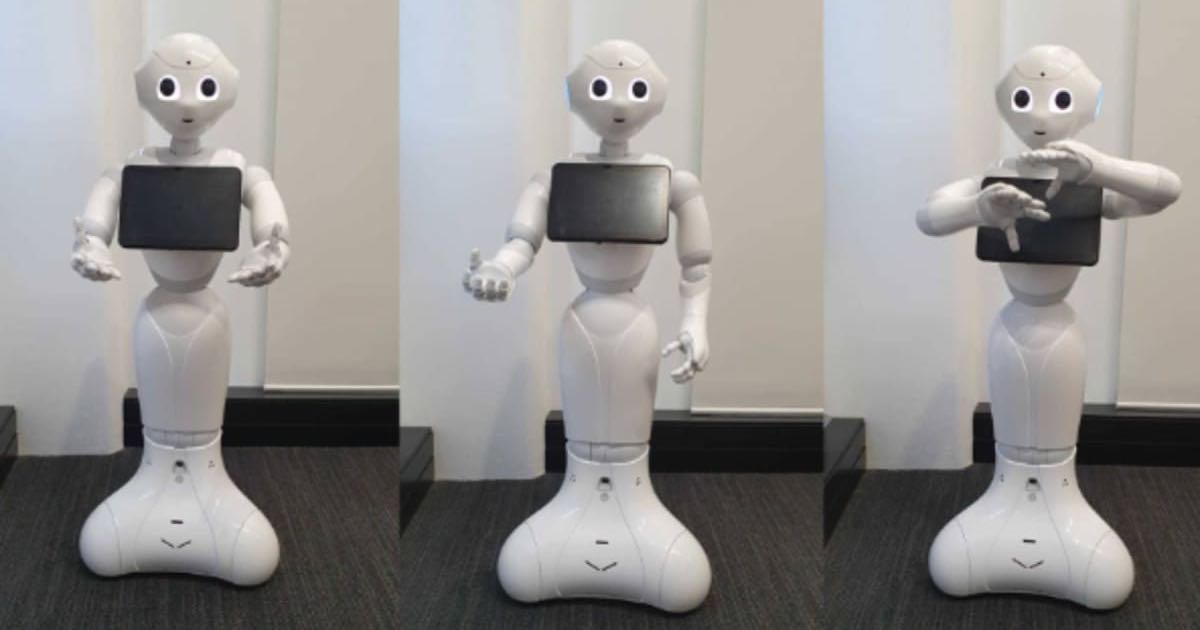
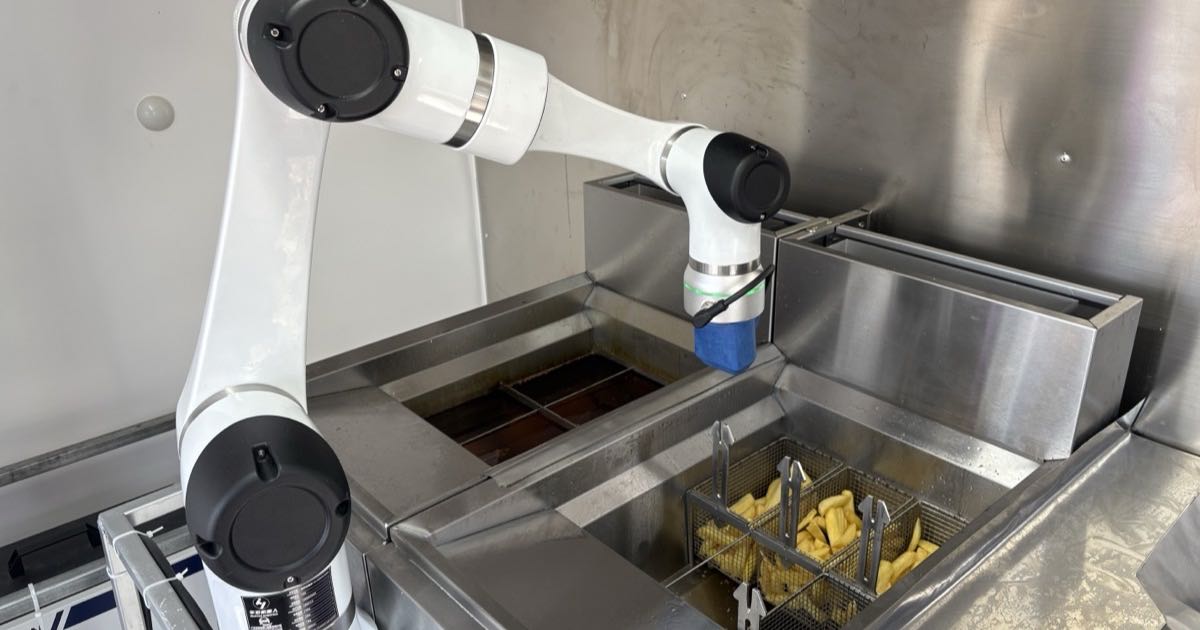
China’s labs see the endgame clearest — Beijing said it aloud: robots and AI, twin pillars of a $1.5t plan. Bloomberg reports DeepSeek is leading a seed round for Winverse AI, a months-old embodied-AI startup from ex-Tencent lead scientist Hu Han at roughly $400 million, out of its $12 billion war chest. GitHub shows the stage being priced: the WinVerse-AI organisation holds two repositories, both website code from August — no research releases. DeepSeek bought the hardware layer first (a 2.31 percent Unitree stake plus a procurement pact in August), and now the brain. Bodies, then brains: the money runs ahead of the labour dislocation, not behind it.
People-side institutions trail. NZIER’s Insight 131, released 9 October: teenage unemployment at 25.3 percent against 3.5 percent for the 25-plus — a sevenfold gap at near-full employment (/nzier-youth-unemployment-ai-perfect-storm-2026/). NZIER refuses to call AI the main driver, but its mechanism matches the US and UK data: employers pause hiring the workers they expect AI to replace, and the young stop trusting education to pay. Youth underutilisation sits at 37.1 percent; new job starts for 15-19s fell 32.1 percent in two years. Nobody decided this — it is a hundred hiring pauses compounding.
Where the apprenticeship goes when the job doesn’t
The synthesis is uncomfortable for both camps. “Lump of labour” fear keeps failing the data — software is hiring again, maths got more done, adults are fine. But the optimists answer a question nobody asked: whether there are jobs is not the constraint; whether there is a way to become good is. Companies don’t hire juniors to type what the machine types; they wait for demand (McKinsey’s Kutcher: growth “in the places we thought we were gonna see the biggest displacement”) or assume someone else schools the next cohort. That somebody is nobody in particular — the same seam yesterday’s equipment boom runs along: money compounds into machines and seniors while the senior-manufacturing pipeline runs dry. One system has a thesis. The other has no owner.
The watch item: who volunteers to own the rung. Companies funding AI-era apprenticeships buy tomorrow’s scarce seniors at today’s prices; those that wait bid for a shrinking 2027 pool. The OpenAI release is the template — claims in days, the Lean-audit grind in years; verifiers, not generators, on the scarce side.
What it means for New Zealand
New Zealand is small enough to handle this deliberately instead of discovering it later.
Measure the rung before assuming it measures itself. NZIER’s numbers are quarterly and national; the useful number is local and monthly — first jobs (retail, hospo, junior admin) in the main centres, quarter versus last.
Price the transition into the training systems that still work. Polytechnics and apprenticeship schemes are the natural owners of the vanished rung — subsidising a junior’s first wage year beats the bill already running in benefits and NEET statistics.
Teach verification, not generation. The scarce skill is checking a machine’s output: the school leaver who audits AI work inherits the senior premium; the one who competes as a producer is priced against it.
The 20-24 NEET share has climbed from about 13 percent in 2023 to about 17 percent, near post-GFC levels — how the next government treats that cohort decides whether NZIER’s “perfect storm” was warning or prophecy.
❓ FAQ
Is AI actually causing youth unemployment in New Zealand? Not provably, and NZIER says so: AI is one uncertainty beside slow recovery and visa policy. What’s verified is the shape: 25.3 percent teen unemployment against 3.5 percent for 25-plus at steady overall employment, and the same bottom-first pattern in every US and UK dataset this site has covered.
Software jobs are rising — doesn’t that prove the alarmists wrong? Right about today, wrong about tomorrow. Postings are up 15 percent, but 71 percent of the gain is senior roles while Stanford has 22-25yo employment down about 20 percent. AI automates not the job but the on-ramp to it.
If a lab can publish 722 proofs, what are university maths degrees for? The frontier needed experts and Lean checkers, not beginners. The degree still buys the training; what it no longer buys is the mid-ladder job that paid for it. That gap is unclaimed.
Who wins if no one fixes the rung? The already-senior, whose scarcity premium compounds, and in robotics whoever owns the brains: DeepSeek, Physical Intelligence, Skild. NZ loses its historic way of building skilled people from school leavers.
🔍 THE BOTTOM LINE
🔍 THE BOTTOM LINE: Every dataset this morning shows the same architecture: scarcity held at the senior end, deleted at the entry end, and no institution with a plan to rebuild what it is losing. First mover on the rung gets the 2027 senior market roughly at cost.
📰 Sources
- Bloomberg — DeepSeek backs ex-Tencent AI scientist’s $400 million robot lab
- GitHub API — WinVerse-AI organisation data
- OpenAI — Sharing AI progress in mathematics
- Le Monde / OfficeChai — Hugo Duminil-Copin interview
- New Scientist — Navier-Stokes Lean mismatch
- CNBC / Indeed Hiring Lab — software postings AI split
- NZIER Insight 131 — Locked out in a perfect storm?
- Stanford Digital Economy Lab — 2026 AI Index economy chapter