Canon Inc. posted a first-half net profit surge of more than 150 per cent in 2026 — and buried in the financial results is a line item that would have been inconceivable two years ago: humanoid robot vision modules. The company plans to begin shipping specialised optical components to Japanese and US humanoid robot manufacturers in the second half of the year.
Canon is not a robotics company. It makes cameras, printers, and semiconductor lithography equipment. But the same optical engineering that goes into a Canon EOS R6 — lens systems, image sensors, precision optics — turns out to be exactly what humanoid robots need to see.
🔍 THE BOTTOM LINE
Canon’s results signal something structural about the humanoid robot supply chain: the components are coming from established precision manufacturers, not robotics startups. The companies best positioned to profit from the humanoid robot boom may be the ones already making the parts — lenses, sensors, actuators — without ever building a robot themselves.
What the Numbers Say
Canon’s Q2 2026 results showed net sales rising 3.6 per cent to a record high for a second quarter, with operating profit up 35.2 per cent to 159.2 billion yen. The full first-half net profit more than doubled year-on-year.
The drivers were multiple. Compact camera sales surged on continued demand. Semiconductor lithography equipment revenue grew on memory-related demand. Canon also got back 90 per cent of the Trump tariffs that consumers had paid through price increases, which helped absorb higher costs from memory price rises and Middle East disruption.
But the line that caught the attention of Machine Dawn — and should catch yours — is this: demand for vision modules destined for humanoid robots in Japan and the US market contributed to the profit surge. Shipments begin in H2 2026.
Why Humanoid Robots Need Canon’s Optics
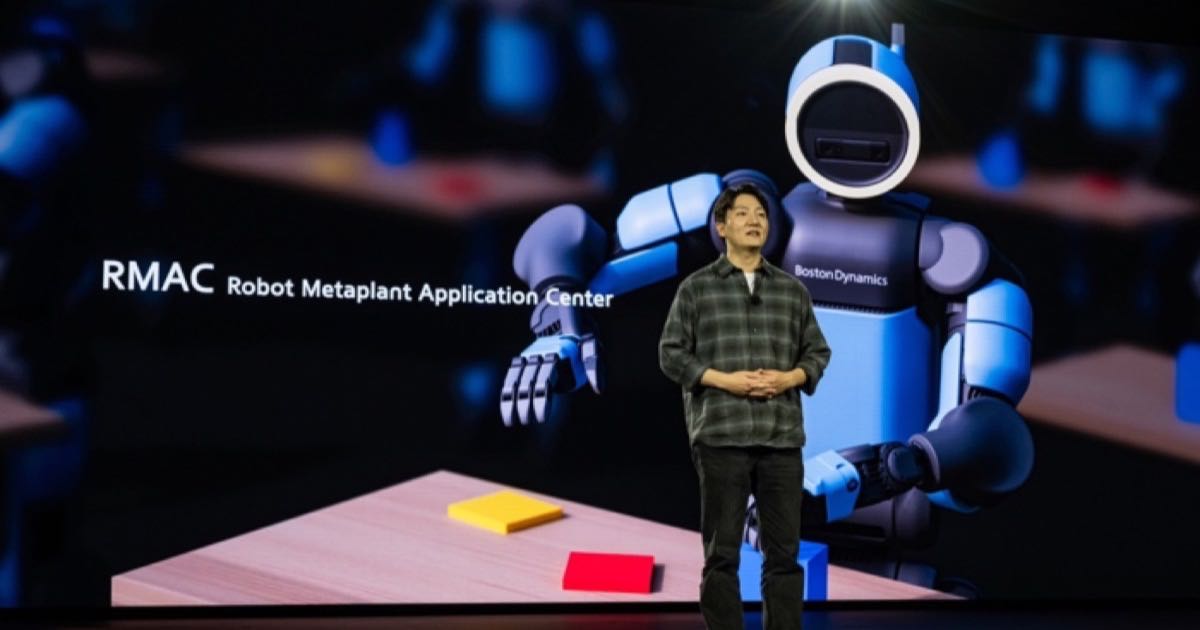
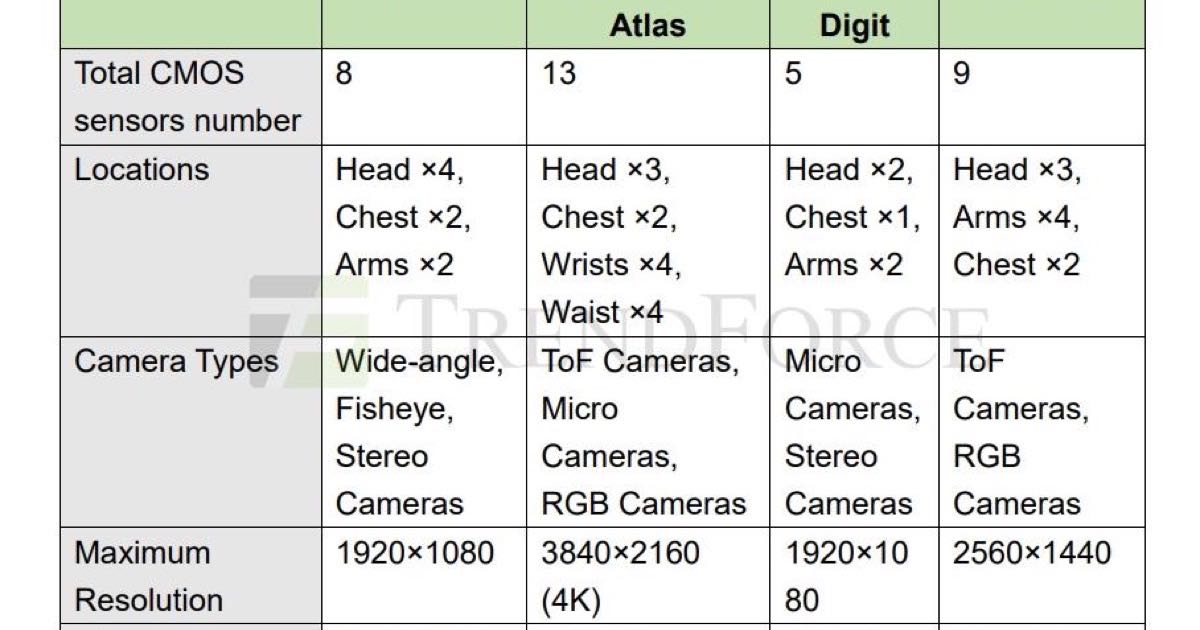
Humanoid robots don’t see the world the way self-driving cars do. An autonomous vehicle can rely on a roof-mounted lidar array that costs more than most cars. A humanoid robot working in a warehouse, a kitchen, or a hospital needs compact, lightweight, high-resolution vision systems that fit into a head roughly the size of a human’s.
That is Canon’s core competence. The company has spent decades miniaturising precision optics for consumer cameras. The EOS R6 Mark III, which drove Canon’s camera revenue growth in H1 2026, contains image stabilisation, autofocus, and sensor technology that maps directly onto what a humanoid robot needs to perceive depth, track objects, and navigate environments.
The market research firms have been tracking this. Global humanoid robot vision sensor module supply and demand reports have been circulating for months. TDK has already partnered with LG Innotek on vision and tactile sensor modules for physical AI. Canon appears to be entering the same supply chain from a different angle — optical lens modules rather than sensor modules.
The Component Supplier Play
What stands out here is the business model. Canon is not building a humanoid robot. It is not competing with Tesla, Figure, or Unitree. It is positioning itself as a key supplier in the emerging physical AI hardware ecosystem — the company that makes the eyes.
This is not a new strategy for Canon. The company already supplies semiconductor lithography equipment to chip manufacturers, optical components to medical imaging companies, and precision lenses to industrial inspection systems. Adding humanoid robot vision modules to that portfolio is a natural extension of existing manufacturing capability, not a risky pivot.
The question is volume. Canon’s camera business shipped roughly 0.67 million interchangeable-lens cameras in Q2 2026. The humanoid robot market, even at China’s ambitious projections of 28,000 units in 2026, is tiny by comparison. But each humanoid robot may need multiple vision modules — forward-facing, peripheral, and potentially depth-sensing — and the per-unit margin on specialised optical components is likely far higher than on consumer camera lenses.
The Broader Pattern
Canon is not alone in this quiet pivot. The humanoid robot supply chain is forming around established precision manufacturers rather than robotics startups. Companies that already make motors (BYD), actuators (Japanese automotive suppliers), sensors (TDK), and now optics (Canon) are finding that the humanoid robot market needs exactly what they already produce — just packaged differently.
This is the supply-chain story behind the humanoid robot headlines. While Tesla Optimus and Figure AI get the attention, companies like Canon are quietly building the component business that makes those robots possible.
What This Means for NZ
New Zealand has no indigenous precision optics industry. But the Canon story illustrates a broader pattern relevant to NZ’s technology strategy: the biggest opportunities in the robotics revolution may not be in building robots, but in supplying the components and services that robots need. NZ’s strength in agricultural technology, for instance, could translate into sensor systems for agricultural robots — a niche that plays to existing capability rather than competing head-on with global humanoid manufacturers.
❓ FAQ
What does Canon make for humanoid robots? Vision modules — optical lens systems and related components that let humanoid robots perceive their environment. These are specialised versions of the precision optics Canon already produces for cameras and industrial inspection.
When does Canon start shipping these? Second half of 2026. The company confirmed this in its H1 financial results, published in late July.
How big is the humanoid robot vision module market? Still small compared to Canon’s camera business, but growing. Each humanoid robot likely needs multiple vision modules, and market projections suggest tens of thousands of units shipping annually by 2026-2027.
Is Canon the only company doing this? No. TDK has partnered with LG Innotek on vision and tactile sensor modules. Other Japanese and Korean component manufacturers are entering the same supply chain. Canon’s advantage is its depth in optical engineering specifically.