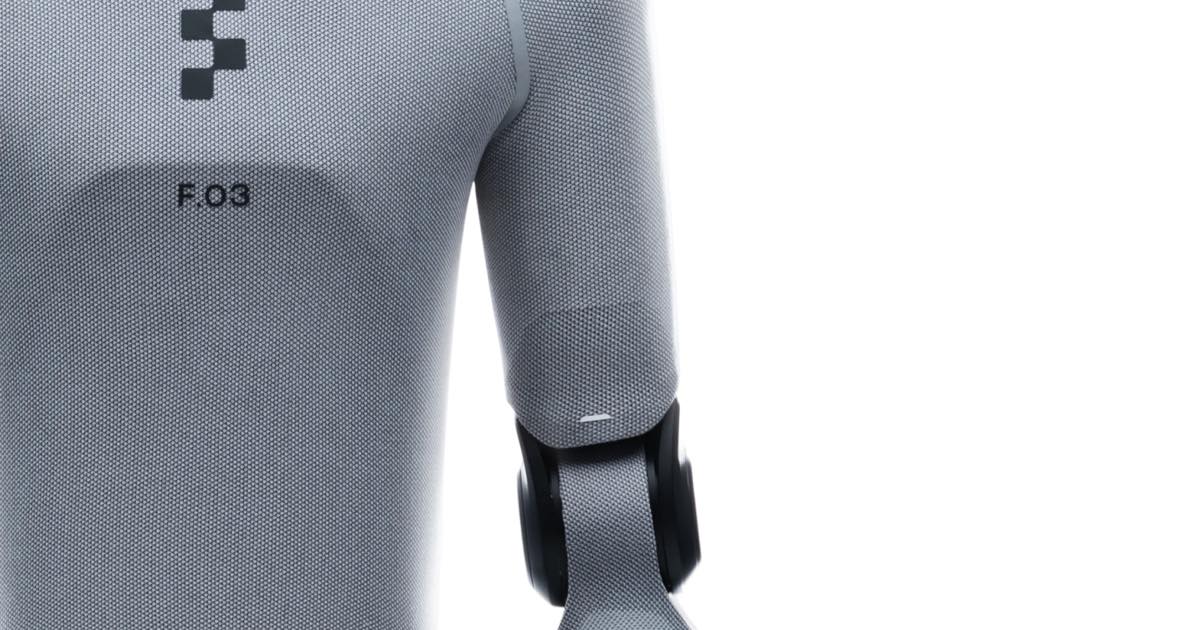
Figure AI has spent the last four months quietly building something that looks less like a robotics company and more like a gig economy app. The company came out of stealth on 25 August with Index, a platform that pays people to film themselves doing everyday tasks — folding laundry, stocking shelves, cleaning litter boxes — and feeds that video into Helix, the AI stack powering its Figure 03 humanoid robot.
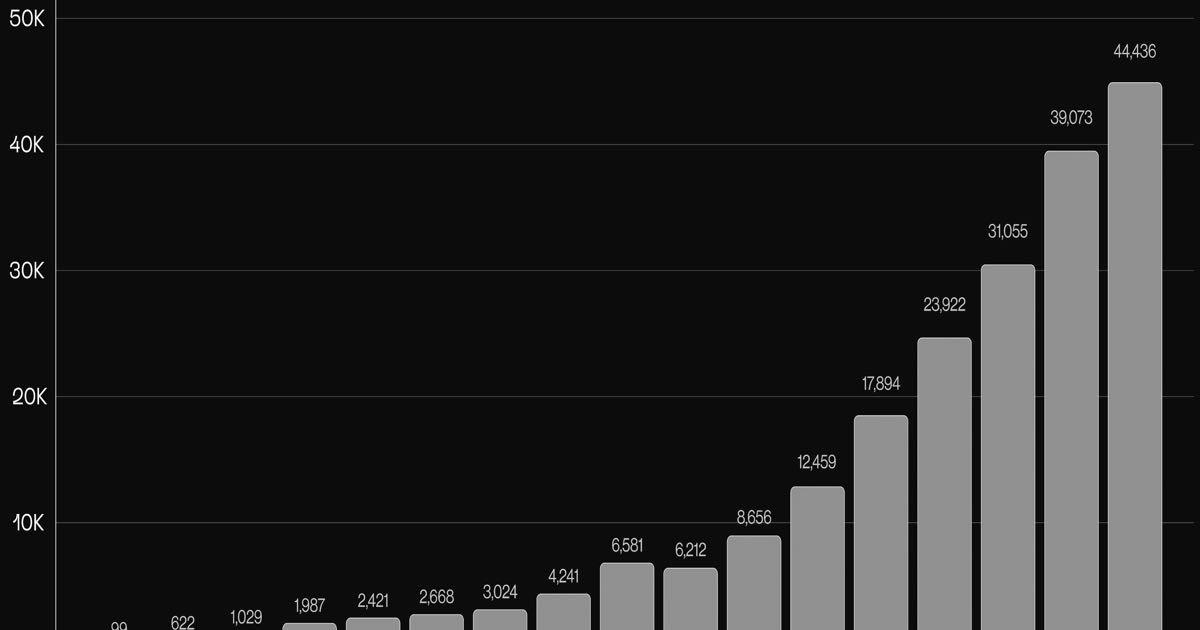
The numbers are striking. Since April, 264,000 people across 108 countries have downloaded the app. They’ve uploaded 16 million videos. The system processes 30 minutes of footage every second — roughly 4.9 years of human work per day. Figure has paid $15 million to its “Creators” so far and says it will spend over $1 billion on data and compute in the next 12 months.
This is not a side project. It’s a bet that the biggest bottleneck in humanoid robotics isn’t hardware or AI architecture — it’s data.
The Problem Index Solves
Robotics foundation models all hit the same wall: the real world is too varied to simulate. Labs can train a robot to fold a specific towel on a specific table. But send that robot into someone’s kitchen, and it encounters objects, layouts, and task variations that no simulation covers.
Figure tried buying data from vendors first. According to the company’s announcement, vendors “couldn’t hit the throughput, diversity, or quality bar Helix requires.” So Figure built its own pipeline — a consumer app with industrial-grade quality control behind it.
Every 1,000 hours of Index data contains an average of 373 unique tasks, 1,146 unique manipulated objects, and 116 unique environments. That density comes from the fact that every new Creator brings their own home, their own stuff, their own way of doing things. The kind of long-tail variation that’s nearly impossible to engineer in a lab.
A Gig Economy for Robot Food
The mechanics are straightforward. Anyone can download the Index app from Google Play or the App Store, record themselves doing tasks, and get paid. You can also book a Creator through the app to come help with chores at your home or business — a service that doubles as data collection.
The pipeline has five stages: automated filtering for technical and visual quality, human fraud review, deduplication using embedding similarity, rebalancing by task quotas, and hierarchical text annotation on every accepted clip. This is closer to a content moderation platform than a robotics lab notebook, and that’s the point. Figure needs Creator retention as much as it needs joint-angle data.
The privacy implications are worth flagging. Creators are uploading footage of their real homes, workplaces, and faces to a private company. Figure says it has fraud and dedup systems to catch quality gaming, but the company hasn’t published its data retention or consent policies in detail. As more robotics companies pursue similar crowdsourced data strategies — and they will — the regulatory questions around home video collection will get sharper.
Why This Matters Now
The humanoid robotics industry shipped roughly 19,100 units in the first half of 2026, up 272 per cent year-over-year, according to Smart Analytics Global. But those robots mostly do one thing in one place. The path from “works in a BMW factory” to “works in your kitchen” runs through training data — and nobody has enough of it.
Figure’s approach contrasts with China’s state-backed strategy, where companies like Agibot operate centralized training facilities with humanoid hardware in dedicated data factories. It’s also different from synthetic data approaches like NVIDIA’s Cosmos physical AI world models, which generate training scenarios in simulation. Index attacks the distribution side — real-world variation — while simulation attacks throughput. Both will likely be needed.
What stands out is the speed. Four months from launch to 16 million videos is fast. Figure’s Figure 03 robots are already climbing ladders autonomously and working at BMW. If Index data measurably improves Helix’s performance on unstructured home tasks — and Figure says internal results are validating the thesis, though no benchmarks have been published yet — the company will have built something competitors can’t easily copy: a global, paid data network with a four-month head start.
The Endgame
Figure’s stated vision is “robots as a service.” Today you have people coming to clean your house. Eventually, a robot does everything. The Index app is the bridge — it collects the data needed to train that robot while also functioning as a marketplace for human help.
Whether that timeline is realistic depends on whether phone video can be converted into reliable torque commands on a humanoid body. The gap between watching someone fold laundry and doing it yourself is exactly the gap that has kept general-purpose robots out of homes for decades. Figure is betting $1 billion that the gap is a data problem, not a fundamental intelligence problem.
That bet looks less crazy than it would have a year ago.
❓ FAQ
What is Figure Index? Index is a crowdsourced app where people get paid to record themselves doing everyday physical tasks. The videos train Figure AI’s Helix system, which controls the Figure 03 humanoid robot.
How much does Figure pay creators? Figure has paid out $15 million to creators to date, with individual earnings varying by task type and video quality. The company has committed to spending over $1 billion on data and compute in the next 12 months.
Is the Index app available to the public? Yes. Index launched on Google Play and the App Store on 25 August 2026 after four months in stealth. It’s available in 108 countries.
How is this different from synthetic training data? Synthetic data is generated in simulation. Index collects real-world video from actual human environments — homes, workplaces, restaurants — capturing the long-tail variation that simulations can’t predict. Both approaches are likely to be used together.
What privacy concerns does this raise? Creators upload footage of their real homes, workplaces, and potentially faces. Figure has fraud detection and deduplication systems, but has not published detailed data retention or consent policies. As crowdsourced robot training becomes more common, expect regulatory scrutiny.