SoftBank just placed a $200 million bet that the next big robotics play isn’t humanoid workers in factories — it’s autonomous excavators on construction sites. The recipient, Zurich-based Gravis Robotics, became a unicorn on the back of the deal.
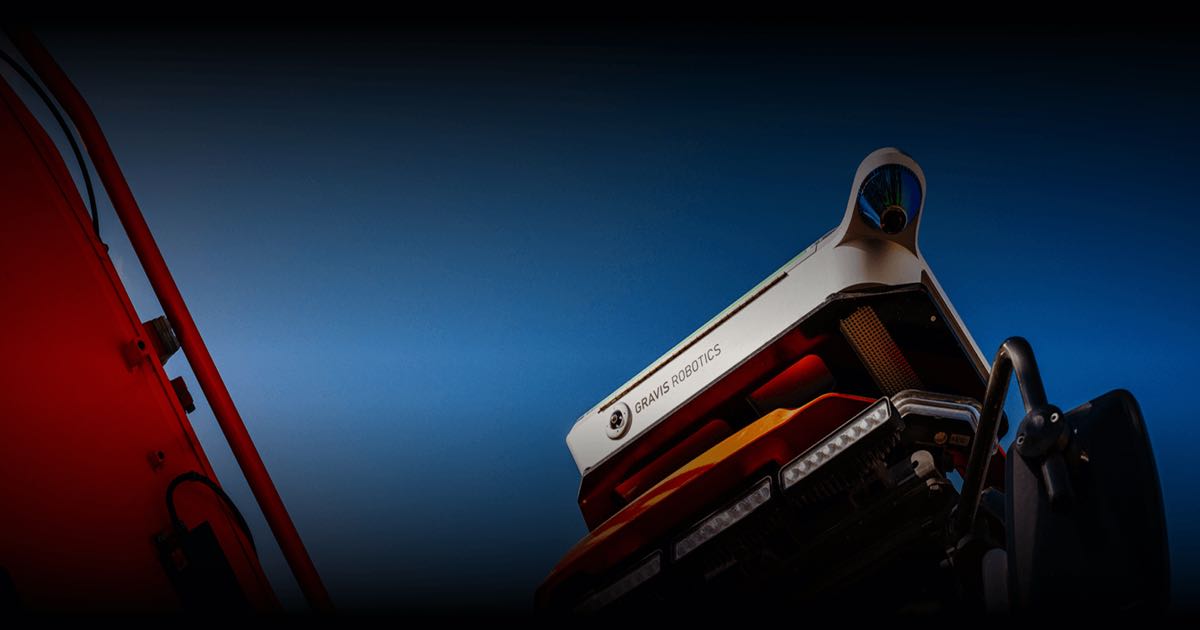
The Series A round, announced August 18, will fund global expansion of Gravis’s autonomous systems for heavy construction machinery. The company doesn’t build robots from scratch. It retrofits existing excavators and construction equipment with a hardware-and-software system called the Gravis Rack, turning standard machines from any manufacturer into autonomous teammates.
What Gravis Actually Does
Founded in 2022 by Ryan Luke Johns, Dominic Jud, and Marco Hutter at ETH Zürich, Gravis develops AI-powered systems for heavy machinery. The Gravis Rack combines sensors, computing, and autonomous-control technology that can be fitted to existing equipment from different manufacturers.
The machines can then perform tasks like excavation, trenching, loading trucks, and moving materials with limited human intervention. Gravis uses AI models trained in simulated environments to help systems understand and respond to changing terrain, soil conditions, and machine behaviour on construction sites.
The company also offers Gravis Copilot, which gives operators real-time 3D guidance and hazard detection when manually controlling equipment. When full autonomy is enabled, operators supervise machines remotely and can manage multiple autonomous units simultaneously.
According to the company, its technology has been deployed on construction sites across four continents and has achieved productivity improvements of up to 30 per cent compared with manual operation on some projects.
Why SoftBank Is Interested
The $200 million commitment fits SoftBank’s broader physical AI thesis. The Japanese investment giant has been building positions across the robotics and AI infrastructure landscape, from its stake in Boston Dynamics to its Japan-focused sovereign robotics push.
Construction is one of the world’s largest industries and one of its least automated. Labour shortages are acute in major markets — Japan, Australia, the US — and construction sites are dangerous, physically demanding environments. A retrofit strategy that works across equipment brands is cheaper and faster than designing purpose-built autonomous machines, because it doesn’t require construction companies to scrap existing fleets.
The cross-brand compatibility is the technical differentiator. Most autonomous construction systems are tied to a single manufacturer’s equipment. Gravis designed its software to work across different brands and models, which broadens the addressable market considerably.
The Physical AI Data Race
Gravis is part of a wider trend: the physical AI data race is accelerating. LG and Nvidia are building 100,000 hours of robot training data in Seoul. China’s Lumos Robotics has accumulated 700,000 hours of robotics data from deployed machines. The common thread is that physical AI — models that control machines in the real world — requires data that doesn’t exist on the internet. Every useful hour has to be physically generated or synthetically derived.
Gravis trains its models in simulated environments, which is cheaper but introduces the sim-to-real gap that plagues all robotics AI. How well simulated performance translates to real construction sites with unpredictable soil, weather, and terrain is the question $200 million is supposed to answer.
What the Money Buys
The funding will support hiring, wider commercial deployment, and retrofitting more heavy machinery globally. Gravis aims to put its systems on every major construction site — an ambition that, if even partially realised, would make it one of the most widely deployed autonomous systems in the world.
The company’s origins at ETH Zürich’s robotics lab — one of the world’s leading legged-robotics research groups — give it technical credibility. Its team draws from NASA’s Jet Propulsion Laboratory, Google, Meta, Disney Research, and ABB. That talent concentration is part of what SoftBank is paying for.
“With SoftBank’s backing, we can hire the best builders and engineers, put Gravis-powered autonomy on every major jobsite, and scale faster than anyone thought possible,” said Johns, Gravis’s CEO.
Whether that scale materialises depends on whether the 30 per cent productivity gains hold up across diverse construction environments — or whether they shrink when the controlled conditions of early deployments give way to the chaos of real job sites.
❓ FAQ
What is Gravis Robotics?
Gravis Robotics is a Zurich-based company that develops autonomous systems for heavy construction machinery. Rather than building new robots, it retrofits existing excavators and construction equipment with sensors, computing, and AI software so they can operate with limited human supervision. Founded in 2022, it raised $200 million from SoftBank in August 2026.
How do autonomous excavators work?
The Gravis Rack system adds sensors, computing hardware, and autonomous-control software to existing excavators. The AI models, trained in simulated environments, allow the machine to understand terrain, soil conditions, and its own position well enough to perform tasks like digging, trenching, and loading trucks with limited or no human input. An operator can supervise multiple machines remotely.
Why is SoftBank investing in construction robotics?
Construction is one of the world’s largest and least automated industries, facing labour shortages in major markets. SoftBank has been building a portfolio of physical AI investments, including Boston Dynamics and various AI infrastructure projects. Gravis’s retrofit strategy — working across equipment brands rather than building proprietary machines — offers a faster path to market than purpose-built autonomous construction equipment.