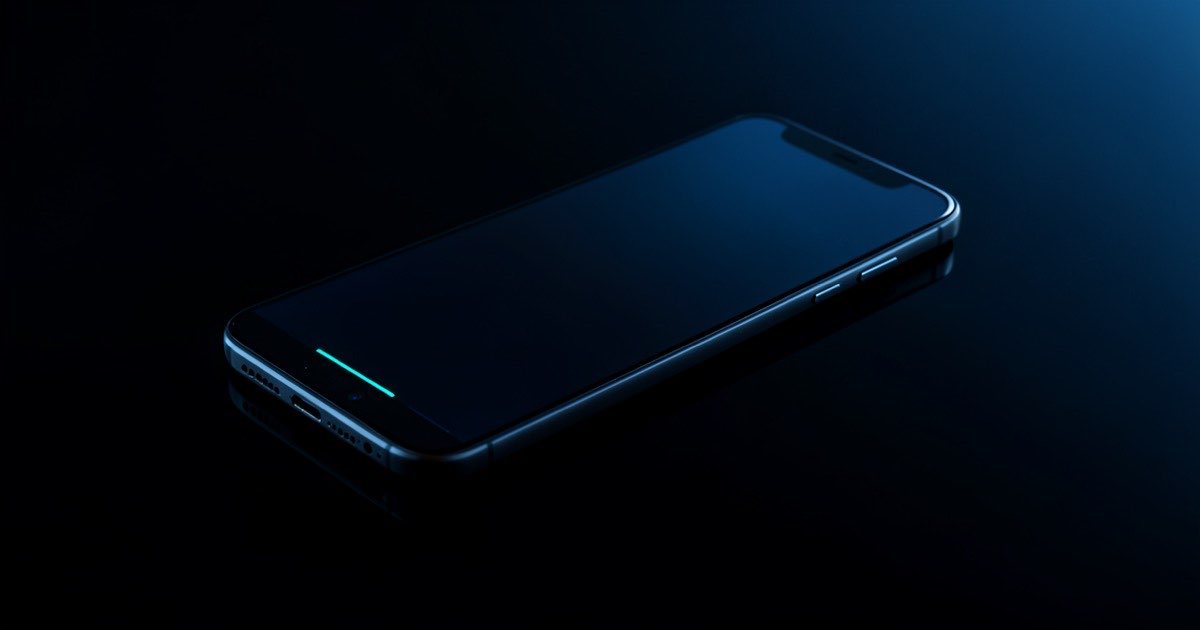
SpaceX showed investors a prototype for a “handset-like device designed to reshape how humans interact with artificial intelligence,” according to The Wall Street Journal. The device is described as slimmer than an iPhone, running a proprietary operating system with a Qualcomm chipset and AI from xAI. Musk has called the report “utterly false”.
🔍 THE BOTTOM LINE
Whether or not this specific prototype exists, the strategic logic is sound. SpaceX is heading toward an IPO. xAI needs a consumer surface beyond Grok on X. And Musk has talked about an “everything app” — China’s WeChat model — for years. A device that ties SpaceX, Tesla, and xAI together is the obvious hardware play. Musk’s denial is consistent with his pattern: deny, then build.
What the Report Says
According to MacRumors, which reported on the WSJ story on July 1:
- The device is slimmer than an iPhone with a “sleek design”
- Runs a proprietary operating system (not Android, not iOS)
- Uses a Qualcomm chipset
- Integrates AI from xAI (Musk’s AI company, maker of Grok)
- The concept draws on Musk’s long-discussed “everything app” vision, modelled on China’s WeChat
- Shown to investors and stakeholders ahead of SpaceX’s IPO
- The project is described as early stage — final design could change, may never ship
The WSJ also reports that some SpaceX and Tesla investors were told Musk “has long envisioned” a device that would serve as a platform for Tesla, SpaceX, and xAI technologies combined.
Musk’s Denial — and His Track Record
Musk posted a one-line denial on X on July 1: “Utterly false.” This isn’t the first time he’s swatted down phone rumours. In February 2026, he posted: “We are not developing a phone.”
But his position has shifted repeatedly. In November 2025, he said he didn’t want to make a phone but would if Apple and Google did “really bad things” like censorship. In a town hall, he said the idea of making a phone “makes me want to die” — but that one of his companies would build one if necessary. The condition was always the same: he’d only do it if forced.
The WSJ report suggests the forcing function may have arrived — not from App Store censorship, but from the IPO. A consumer device story is a better IPO narrative than “we launch rockets and sell satellite internet.”
The Everything App Play
Musk has been open about wanting X (formerly Twitter) to become an “everything app” along the lines of WeChat — messaging, payments, commerce, social, and now AI, all in one platform. We’ve previously covered his trillion-dollar flywheel vision linking SpaceX, xAI, and X into a single vertically integrated empire.
A dedicated device is the missing hardware layer. Apple has the iPhone. Google has Pixel. If Musk wants xAI’s Grok to be a consumer AI assistant — not just a chatbot inside X — a purpose-built device with deep OS-level integration is the path. Running Grok as an app on iOS or Android means playing by Apple and Google’s rules. Running it on your own hardware means owning the stack.
This aligns with the broader AI hardware trend — companies building their own compute and surfaces rather than renting. SpaceX’s in-house GPU initiative and Terafab project point in the same direction: vertical integration from silicon to consumer.
Why It Matters
If the device is real and ships, it would be the first consumer hardware product from SpaceX — a rocket company building a phone. That alone makes it notable. But the bigger story is the convergence: one person controlling a social platform (X), an AI lab (xAI), a satellite network (Starlink), a car company (Tesla), and a rocket company (SpaceX), with a consumer device that ties them together.
That’s not a phone. That’s an ecosystem play — and it’s the kind of vertical integration that antitrust regulators in the US and EU are starting to pay attention to.
❓ FAQ
Is SpaceX actually building a phone? The WSJ says investors were shown a prototype. Musk says the report is “utterly false.” The project is described as early stage even if it exists. It may never ship.
Would it run Android? According to the report, no. The device runs a proprietary operating system. This would mean no Google Play Store, no Android app ecosystem — unless SpaceX builds compatibility layers.
How is this different from the Cyberphone rumours? Musk has periodically been linked to phone rumours — the “Tesla phone” or “Cyberphone” — for years. This is the first report citing a specific prototype shown to investors with concrete technical details (Qualcomm chipset, custom OS, xAI integration).
What’s the NZ angle? If a SpaceX/xAI device ships, it would compete with iPhone and Android in the NZ market. Starlink already has significant NZ presence for satellite internet. A device that integrates Starlink connectivity with xAI could have unique appeal in rural NZ where cellular coverage is patchy.
🔍 THE BOTTOM LINE
Musk’s denial is loud but his track record is clear — he denied Neuralink’s ambitions, denied the Cybertruck would ship on time, denied he’d buy Twitter. The prototype may be early, it may never ship, but the strategy makes sense. If you already own the AI, the social network, the satellite network, and the rocket company, the phone is the last piece. Whether it’s this device or a future one, the direction is obvious.