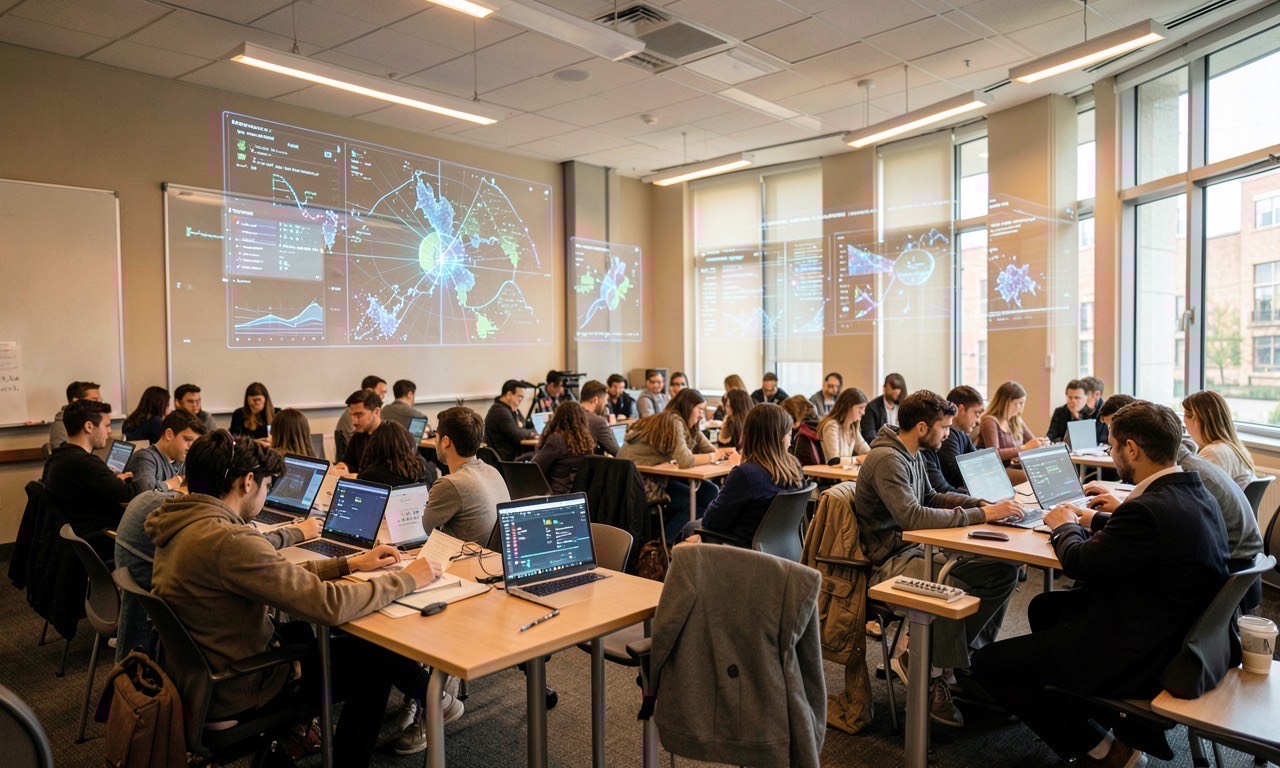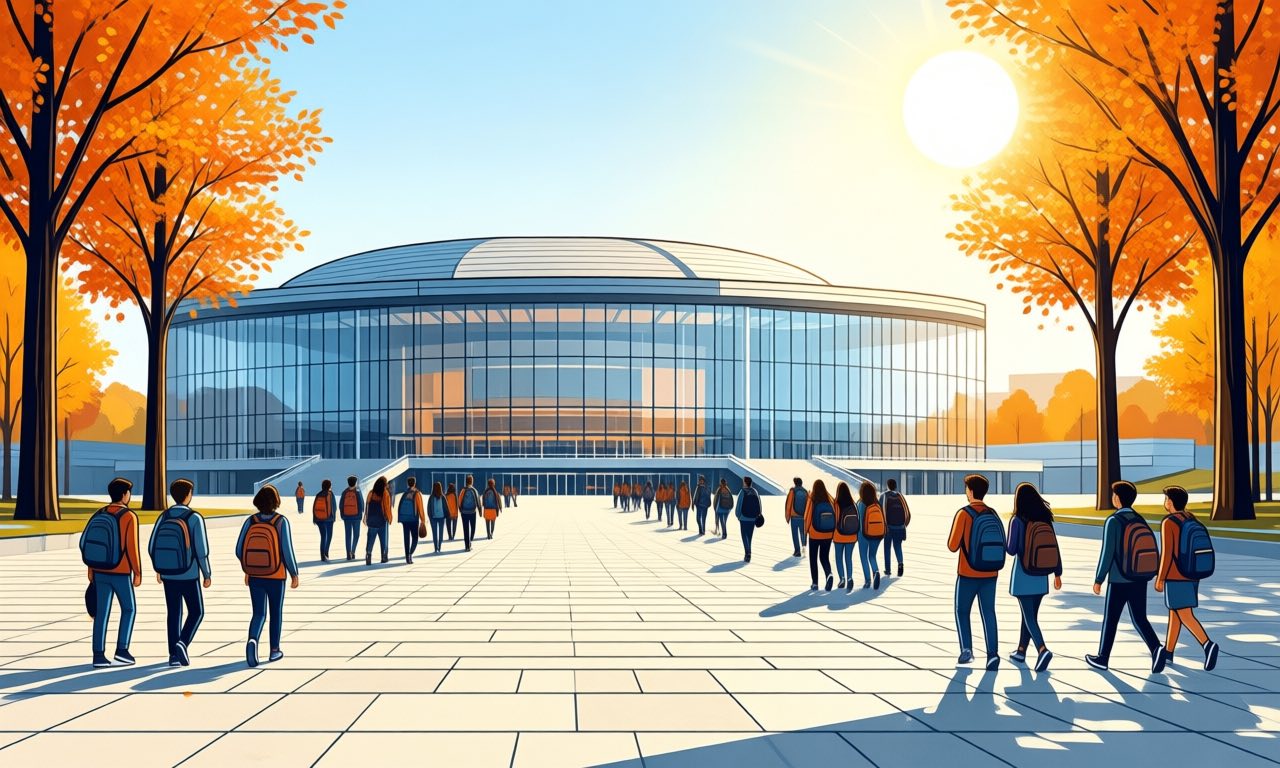
Nearly 100 students at LaGuardia High School — the Manhattan arts school that inspired the movie “Fame” — walked out of class at noon on Tuesday 20 October and marched across 65th Street to Lincoln Center, chanting “Who’s future? Our future!”, as reported by the New York Daily News. It looked local. It wasn’t. The same day, rallies ran across roughly 50 US cities and college campuses, from Fordham, SUNY Purchase and Stony Brook to a protest outside OpenAI’s San Francisco headquarters, in what organisers billed as a nationwide demand for a freeze on AI development.
The coordination has a name on it. Irreplaceable, a nonprofit founded in August by climate campaigners, civil rights leaders and labour union figures, organised the day of action with a simple, blunt ask: stop the race until democratic institutions catch up. KQED’s report from outside OpenAI’s Mission Bay office counted only about two dozen protesters at that location — signs reading “We Didn’t Elect Big Tech” and “Water For People, Not Data Centers” — but the group’s stated ambition is much larger than its Tuesday turnout: a three-year plan to build an electoral pressure campaign for federal AI legislation by the 2028 presidential race, according to KQED.
What the students actually said is more specific than the slogan. Mieke Nievergelt, a LaGuardia senior, told the Daily News via Tribune Content Agency coverage carried by GovTech: “The adults, the administrators, are the ones who are perpetuating the use of AI in the education system… Adults don’t understand because they had the time to form their minds — without having something to do it for them.” A sophomore who wants to score films put the economic version plainly: “Directors and music producers for TV shows and movies can just go to AI now.”
The walkout landed on a New York school system already deep into AI policy experiments. Under Mayor Mamdani and Schools Chancellor Kamar Samuels, the city implemented a one-year pause on generative AI through eighth grade last month, while high schools run a split regime: five pre-approved pilot programmes, mandatory AI literacy training, and principal-level decisions about classroom use. Samuels defended the difference in a September press conference: “For our high schoolers, our responsibility is different. It is increasingly part of the world and workforce they are about to enter.” We covered the city’s earlier missteps when its high school AI guidelines were scrapped as unready, and the traffic-light rules it now runs predate most of the country’s frameworks.
There’s an irony in the location choices. The students marched to Lincoln Center — a campus of disciplined, decade-long training in disciplines that generative tools now imitate in seconds. The San Francisco crowd stood outside the company whose chatbot sits in the middle of the dispute. Neither protest blocked an update, a release, or a data centre. A walkout is a communication act, not a mechanism of power, and the gap between the two is the whole story: the people asking for a pause have no vote over the pace, and the people with the vote have an election cycle, not a release cycle.
It’s worth taking the demand seriously anyway, for two reasons. First, this is what an organised AI backlash looks like when it graduates from online sentiment: a founded nonprofit, a three-year plan, a national day of action, and labour unions and civil rights groups at the table — the same coalition architecture that built the climate movement’s political muscle, and one executive director, Phil Aroneanu, comes directly from 350.org. Second, the students inside the protests are the cohort this site keeps tracking in the hiring data — the graduates employers tell surveys they plan to hire while entry-level postings thin out. When that cohort starts protesting in the streets rather than answering surveys, the politics of AI stop being hypothetical.
New Zealand context, briefly: no equivalent student movement exists here yet, and NZ’s school system has moved more cautiously toward AI tools than New York’s fractious approach. But the underlying anxiety — that the people most exposed to AI’s labour effects have the least say in its deployment — travels without translation. A 50-city protest day in the country that dominates AI development is not, on its own, a brake on anything. It is, however, the first rehearsal of the political argument that will run in every democracy where the pace question gets asked.