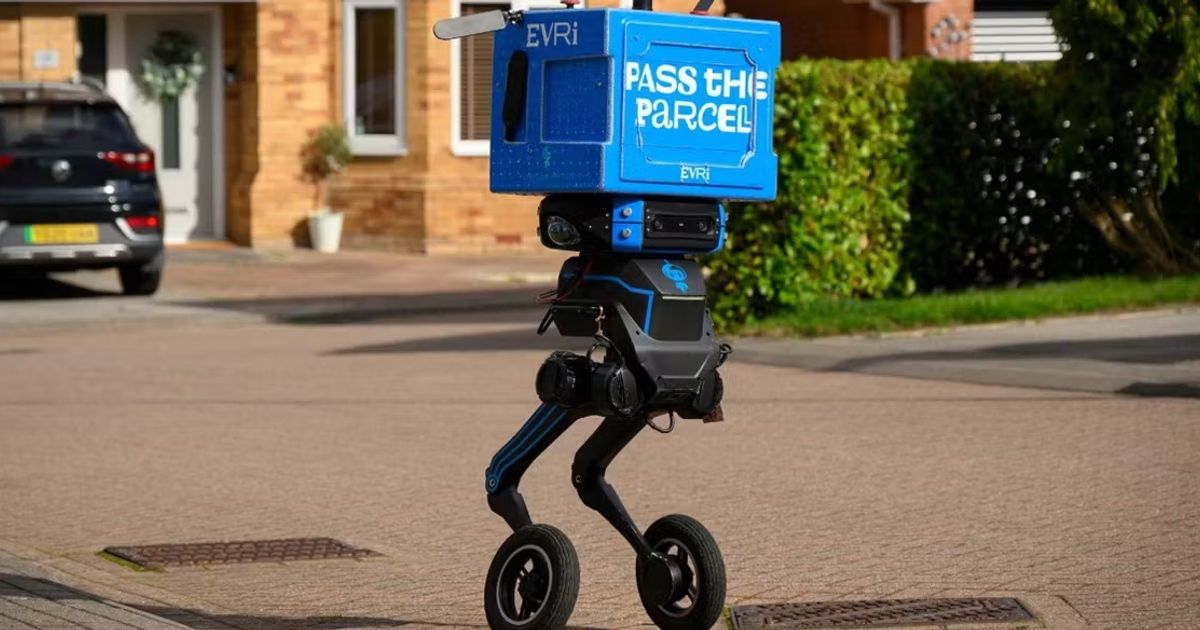
Yandex is preparing to move humanoid robots from demos to delivery duty. According to two IT-industry sources cited by Russian business daily Kommersant, the technology giant plans a pilot project using humanoid robots to deliver packages by the end of 2026 — and the first stage will rely on a division of labour between machines: a wheeled delivery rover brings the order to a building’s entrance, and a humanoid robot then carries it inside.
The company itself confirms far less than the sources claim. Yandex’s press service, contacted by Kommersant, would say only that it is testing “the delivery of orders from delivery robots to employees’ workstations,” promising to share further plans in “a separate manner” at some future date — in the report’s telling, a carefully worded non-confirmation of the humanoid pilot as described.
As of publication, the humanoid-delivery pilot has not been independently reported — the claim rests on Kommersant’s unnamed industry sources, passed into English by Meduza.
The fleet behind the claim
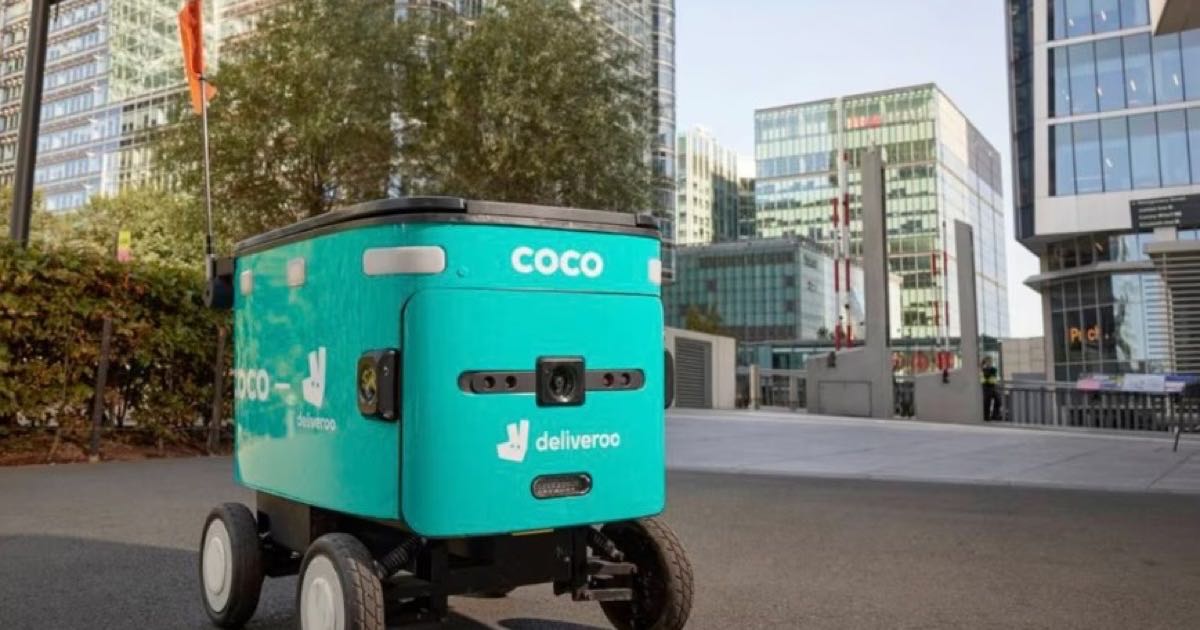
The plausible part of the story is what Yandex already operates. Its ground rovers have been delivering commercial orders since December 2020, starting in Moscow and the tech-city of Innopolis, and the company had roughly 1,000 of them on the road as of the second quarter of 2026, operating in more than ten Russian cities by the end of this year, Kommersant’s sources say. The rover programme dates back to a first launch in late 2020, and it has been visibly maturing: earlier this month Yandex said its AI motion-planning model had raised average rover speed from 3.5 to 5 km/h over five months, after training in simulation where more than 6,000 virtual rovers ran for a combined 20,000 simulated years.
That is not a toy fleet. It is one of the largest active delivery-robot operations anywhere, and it is why the humanoid claim, thin as its sourcing is, merits attention rather than dismissal.
Why the handoff is the interesting part
The most telling detail in the Kommersant report is not the humanoid — it is the job description. Sources pointed to a specific limitation of the rovers: they work well outdoors but cannot climb stairs or cross thresholds, so the vehicle stops at the entrance and someone — or something — walks the parcel inside. One source’s blunt forecast: “We’ll still have to wait more than a year before [robot] humanoids appear on the street.”
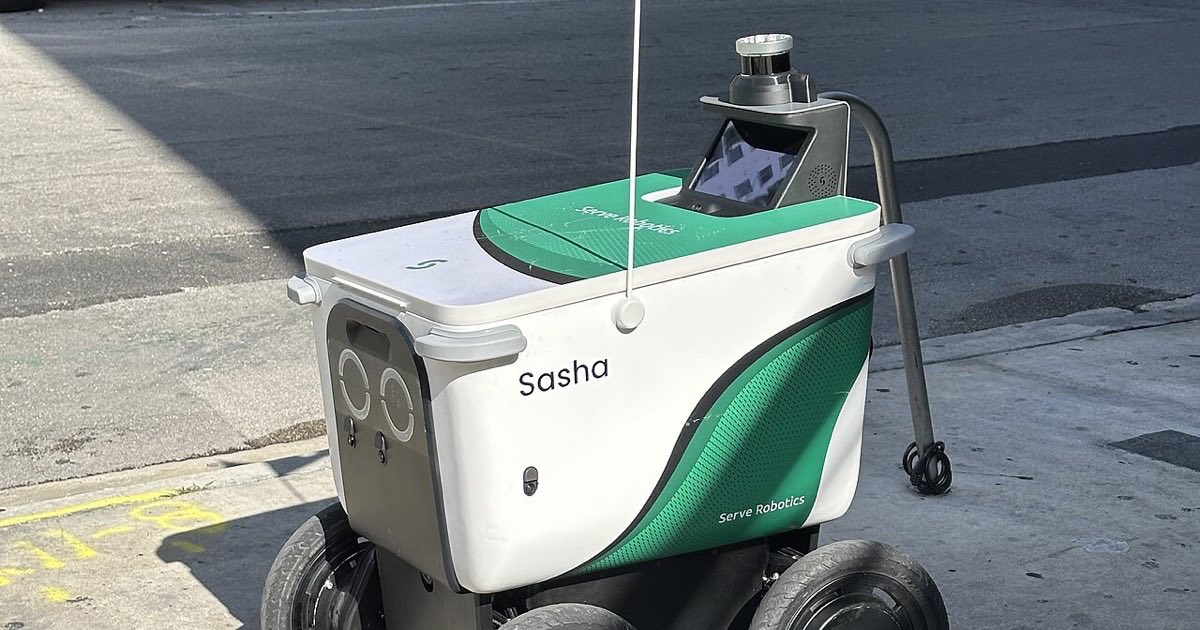
That framing quietly concedes something the humanoid-robot industry rarely says out loud: wheeled autonomy is now the mature half of last-mile delivery, and legs are not yet trusted beyond buildings. Western operators have run the same division of labour with humans filling the second role — a sidewalk robot like Serve Robotics delivers to the curb, and a human completes the doorstep. Yandex appears to be testing what happens when the second half is mechanised too, starting where the job is easiest: a smooth foyer floor, a lift call button, a door.
The scepticism Kommersant gathered is equally instructive. Experts polled by the paper called humanoid delivery “more a pilot project to test the technology than a commercial venture” and “a branding exercise,” citing high operating costs, limited service life and carrying capacity, and safety concerns. In other words: even the sources sympathetic to the pilot’s existence think the economics are nowhere near closing.
Why a branding exercise isn’t nothing
It is tempting to file this under corporate theatre, and partly it is — a company navigating sanctions-tightened supply chains and a shrinking domestic tech scene benefits from looking like the future. But branding exercises are how robotics companies buy time and data. A humanoid walking Moscow foyers for a winter generates the exact training material — stair edges, door handles, lift buttons, unpredictable pedestrians — that simulation still struggles to fake at fleet scale. Yandex learned the value of that loop with rovers: the 20,000-year virtual training run behind its recent speed jump only matters because real robots generate real situations to learn from.
There is a pattern here that extends well beyond Russia. Delivery robotics companies are realising their real asset is the fleet software and data, not the box on wheels — Serve Robotics made the same pivot explicit last month, opening its fleet connectivity and real-world data pipeline to other robot builders. A humanoid pilot, even a modest one, extends a delivery company’s reach into the hardest, least-automated metres of the journey — and if the robot works indoors, the same machines can plausibly sell themselves into warehouses, offices and retail well before they ever conquer the street.
The caution flags remain real. Humanoid deployments worldwide still run ahead of what the machines can honestly do, and indoor environments add failure modes that a foyer camera will catch and an apology email won’t soothe. If a Yandex humanoid drops a hot meal on a baby stroller, the branding exercise sours quickly.
What to watch
Three signals would turn this from report to reality. First, Yandex publishing anything on humanoid testing — its own press service promised that “further plans” would be announced separately, and companies rarely invent promises like that without something in the pipeline. Second, visual evidence: rovers operating in ten-plus Russian cities are commonly filmed by pedestrians, and a humanoid carrying parcels indoors would be photographed within days. Third, any unit-economics disclosure from the company or its partners — if the pilot survives its first Moscow winter, the interesting question becomes not whether a humanoid can carry a parcel across a threshold, but what each one costs per month to keep walking.
For now, the honest reading is: a credible-sounding pilot with a single reporting chain, a company statement designed to neither confirm nor deny, and a fleet story that is genuinely new — the world’s major delivery-robot operator is testing the idea that wheels finish the trip and legs finish the building.