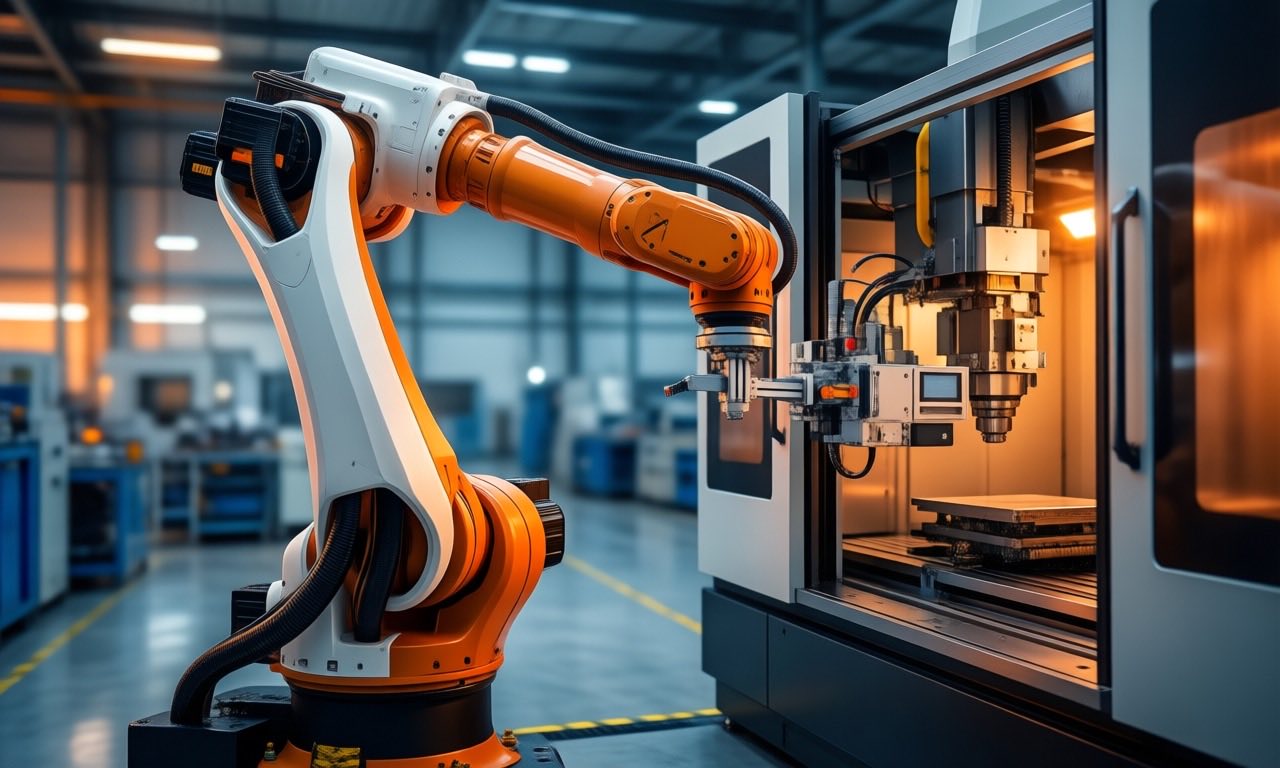
Caterpillar has quietly become one of the most experienced physical AI companies on Earth, and it got that way without anyone calling it an AI company. At a mining conference interview published August 30, the company’s autonomy leadership laid out how three decades of automating mines — haul trucks that drive themselves, drills that don’t need operators, underground loaders — is now being pointed at a harder problem: ordinary construction sites.
The bluntest number in the story: Caterpillar plans to spend $100 million over the next five years training its 118,000 employees in AI, autonomy and robotics. That’s a company treating workforce retraining as core infrastructure, not an afterthought. Compare that to the tech industry’s usual framing, where the humans are the thing being optimised away.
Why mining was the perfect training ground
Mines are the friendliest possible environment for autonomy. Repetitive routes, private roads, no pedestrians, and hazard and labour shortages that made automation obviously worth the cost. Caterpillar sells autonomous haul trucks, automated drilling, underground loaders, dozers and remote-controlled equipment, plus the software around them: fleet management, command centres, remote terrain intelligence.
Construction is a different animal. Sites change daily. People wander into machine paths. The company’s own framing is that the hard part of physical AI “is incorporating that technology into the customer jobsite and into the workflows” — not building the machine, but making it fit how work actually happens.
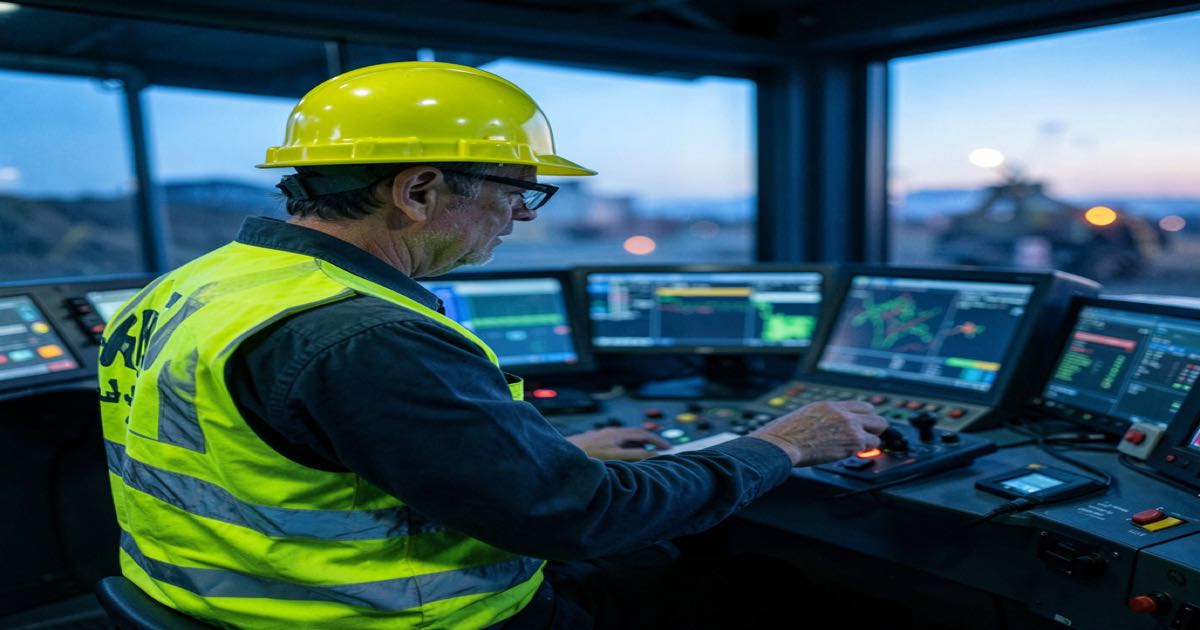
Their answer is telling: experienced operators help train the AI systems, turning decades of institutional knowledge into training data. It’s a reversal of the usual story, where AI displaces experienced workers. Here the experienced workers are the product.
AI agents inside a 100-year-old industrial
The less flashy part of the announcement may matter more. Caterpillar is using AI agents internally to modernise legacy code, generate and test new software, and catch defects earlier. Industrial companies run on decades-old software, and the shortage of people willing to maintain it is real. Agents doing that unglamorous work is less photogenic than a self-driving truck but probably worth more to the bottom line.
The data centre dividend
There’s also a simpler reason Caterpillar is having a moment: it sells the generators and power equipment data centres need. Q2 2026 revenue hit an all-time high of $20.5 billion, with power-generation sales up 72% to $3.10 billion, driven by demand for cloud and AI infrastructure. CEO Joe Creed said “no one is slowing down” on that demand. The AI boom isn’t just something Caterpillar deploys — it’s something it sells into.
What stands out here is the compounding. The same AI buildout that’s filling Caterpillar’s order book for generators is also, slowly, making its customers want autonomous equipment — because labour shortages in construction and mining haven’t improved. That’s a rare company positioned on both sides of the same trend.
What it means for New Zealand
NZ’s mining and quarrying sector employs thousands, often in roles that are hard to staff — remote sites, night shifts, hazardous conditions. Autonomous haulage is already in use at Australian coal and iron ore operations that NZ firms watch closely. If Caterpillar succeeds in moving autonomy from the mine to the quarry and civil construction site, that lands directly on the businesses doing NZ’s roading and infrastructure work. The $100 million training pledge is the part worth copying: the technology arrives regardless, but whether local operators benefit or get left behind depends on whether anyone funds the retraining.
For context on how fast machine autonomy is moving elsewhere, see our coverage of Gemini Robotics and the physical AI push and Nvidia’s robotics platform ambitions. And the power-hungry data centre buildout underpinning all of it — Nvidia’s data centre guarantee calculus — is the same demand Caterpillar is selling generators into.
— CJ Murden, editor of Singularity.Kiwi. Former digital technologies teacher, author of AI-focused books. Writing with a New Zealand focus.