Everyone wants to talk about robot brains. Lyte AI just raised $165 million to talk about robot eyes.
The Sunnyvale company announced a Series C on September 4, led by Maverick Silicon with Fidelity, Atreides Management, Key1 Capital and Ora Global participating. It values the four-year-old startup at $1.6 billion post-money — a sharp vote of confidence in a company most people have never heard of, in a market where the headlines usually go to the humanoid makers.
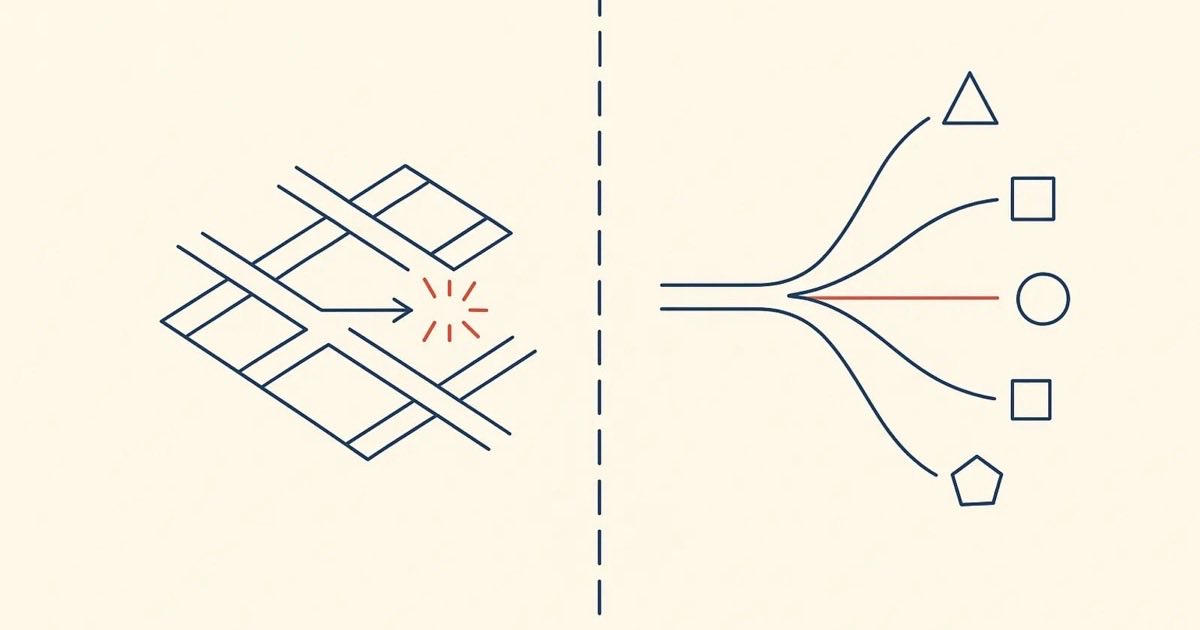
Lyte’s pitch is simple, and worth taking seriously. CEO Alexander Shpunt — who previously led optical systems engineering at Magic Leap — argues that “physical AI has a sensing problem before it has a model problem.” A robot cannot act safely on data that doesn’t faithfully describe the world. In other words: the constraint on embodied AI right now isn’t how clever the brain is, it’s how honestly the senses report.
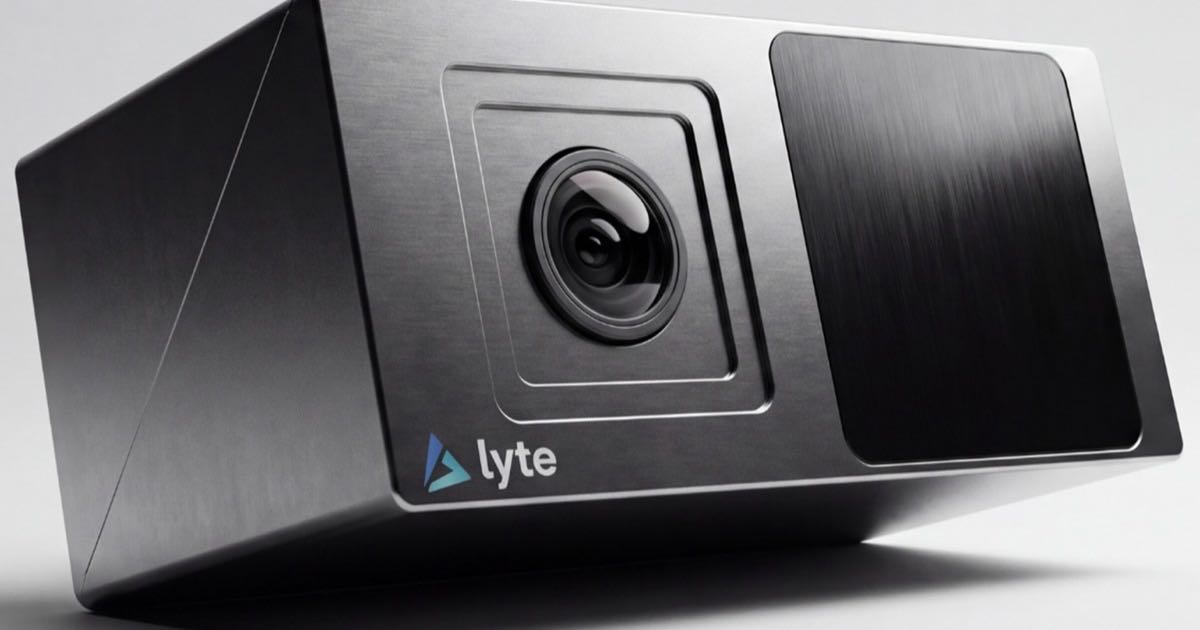
That framing cuts against the current wave of end-to-end enthusiasm, where vision-language-action models are supposed to learn everything from raw camera pixels. Lyte designs its own processors, multimodal sensors, and the software in between, owning the stack “from the transistor up.” Its LyteVision platform creates a direct path from physical capture to simulation, training, and real-time inference — meaning the same spatial data that steers a robot in the real world can also train it offline.
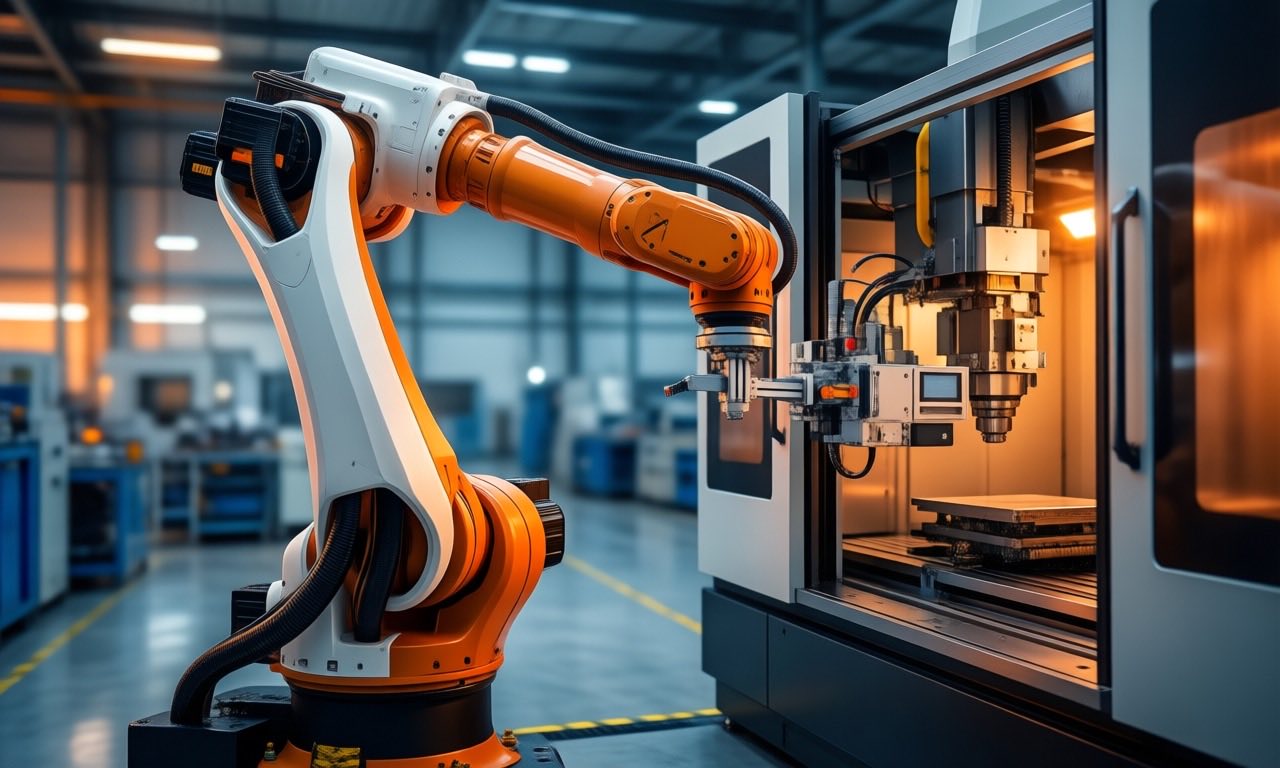
It’s already shipping. Customers in inspection, logistics and manufacturing are using the hardware today, and LyteVision was named CES 2026 “Best of Innovation in Robotics” in January.
What stands out here is the contrast with how the rest of the physical AI money is flowing. Most of the capital going into robotics this year has chased either the humanoids themselves or the foundation models meant to run them. Lyte is a layer below both — closer in spirit to an Nvidia play than a Figure play, except Nvidia sells the compute for robot reasoning, while Lyte sells the pipeline that produces the world-model data reasoning depends on. If perception data quality turns out to be the real bottleneck for robot learning, the picks-and-shovels position is the one that compounds.
The sceptical read: sensing is also where robotics startups have quietly died before. Depth cameras, LiDAR, event sensors — each generation promised the missing perception layer, and each got absorbed as a commodity part. $165 million buys a long runway to find out whether Lyte’s silicon is genuinely different or just next in line.
Either way, the round tells you where sophisticated hardware investors think the physical AI bottleneck actually sits. Not in the model. In what the robot can see.
— CJ Murden, editor of Singularity.Kiwi. Former digital technologies teacher, author of AI-focused books. Writing with a New Zealand focus.