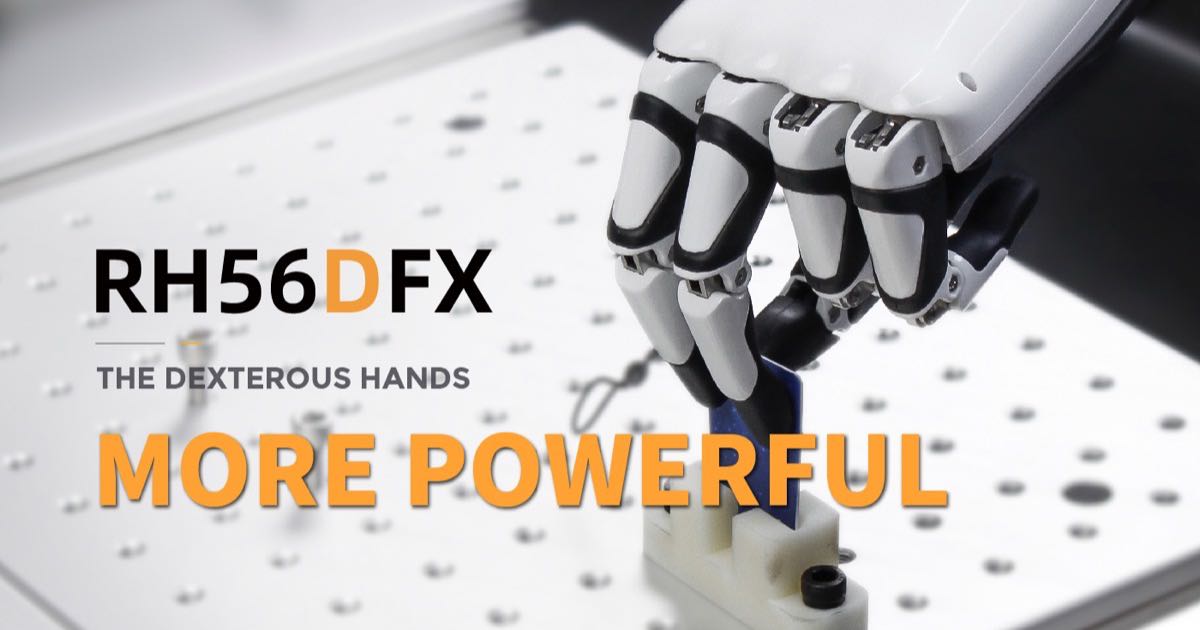
The human hand is the bottleneck. That is the unwritten subtext of China’s dexterous robot hand market, which has quietly transitioned from prototype demos to mass production in the span of eighteen months. Four companies — Yinshi Robotics, Lingxin, LinJieDian, and BrainCo — have separated from the pack, each pursuing a different technical path to the same problem: building a mechanical hand that can reliably grasp, manipulate, and operate in the real world for millions of cycles without failing.
The money says the market believes the problem is close to solved. Funding in China’s dexterous hand sector reached 16.877 billion yuan in all of 2025. In the first half of 2026 alone, it surpassed 25 billion yuan — already exceeding last year’s total, according to IT Juzi data cited in Pandaily’s analysis. Shipment volumes crossed from thousands to tens of thousands: more than 20,000 units shipped in 2025, with 2026 market expectations reaching 70,200 units.
The four routes
What is notable is that the top four are not competing on the same axis. They represent four distinct industrial approaches:
Yinshi Robotics built its position on in-house micro servo electric cylinder R&D, becoming the first Chinese firm to ship five-finger dexterous hands at ten-thousand-unit scale. The company uses a linkage-driven architecture that prioritises stability and service life over high degrees of freedom. Its flagship products have demonstrated million-cycle loaded-grasp lifetime testing. In 2025, overseas sales reached 20 per cent of revenue, with more than 2,000 global customers spanning humanoid robot makers, industrial manufacturers, research institutions, and medical users.
Lingxin pursues the general-purpose high-DOF (degrees of freedom) platform route, emphasising universality across varied payloads, sizes, and tactile-rich manipulation. Where Yinshi optimises for durability, Lingxin optimises for flexibility.
LinJieDian pairs hardware with algorithms to deliver turnkey dexterous operation solutions — the systems integrator of the group. Rather than selling hands alone, the company sells the hand plus the software stack that makes it useful.
BrainCo leans into bionic integration and human-machine fusion. The company’s background in prosthetics and brain-computer interfaces gives it a different entry point into the dexterous hand market — one focused on the interface between human intent and mechanical action.
Why the evaluation logic has shifted
The criteria for competitive standing have changed. A year ago, the question was: how many degrees of freedom does the hand have? What is the grip force? Those paper specs no longer carry weight. The new evaluation is built on five operational criteria: mass-production chassis, real-world deployment durability, multi-route technical coverage, product universality across robot sizes and load profiles, and full low-to-high DOF product line depth.
In other words, the market is no longer rewarding who can build the most impressive demo. It is rewarding who can ship ten thousand units that work reliably for a year. That is a fundamentally different bar.
Multiple technical architectures now coexist — linkage-driven, tendon-driven, and direct-drive — with leading players laying down multi-route capabilities to hedge against technical iteration risk. A company that bets entirely on tendon-driven hands risks losing everything if the industry shifts to direct-drive. The smart players are covering multiple bets.
The humanoid robot connection
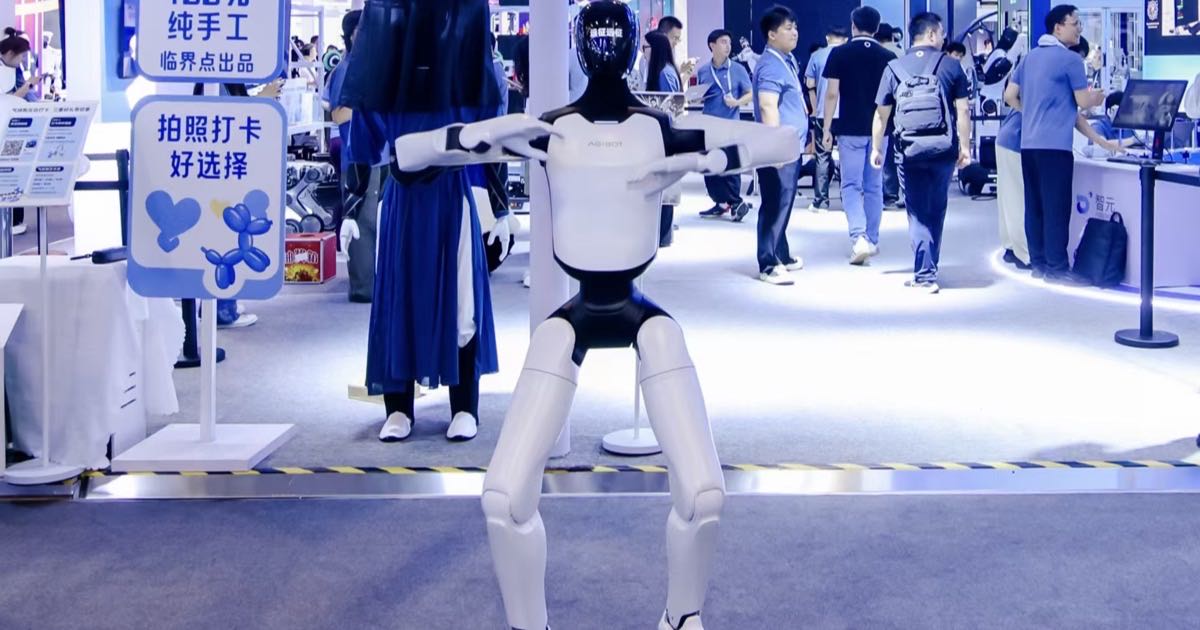
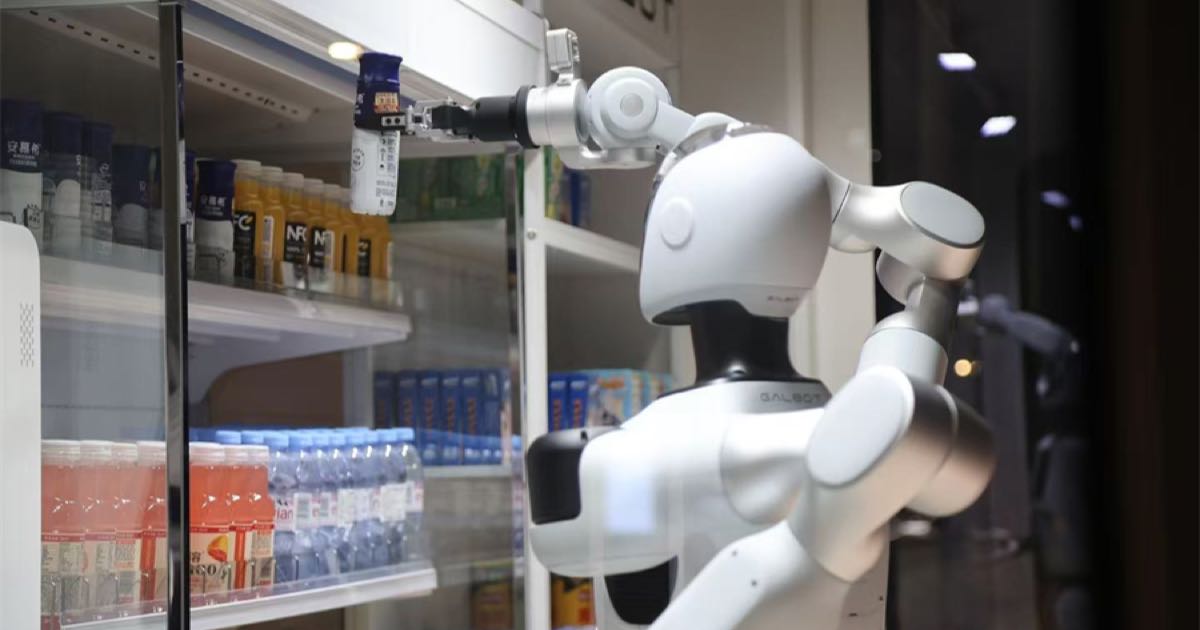
Dexterous hands matter because they are the interface between a humanoid robot and the physical world. A robot that can walk and balance but cannot pick up a screwdriver is a very expensive walking stick. The humanoid robot production surge in China — driven by AgiBot, Unitree, and others — creates direct demand for dexterous hands as components. If Unitree is building thousands of humanoids, each one needs a pair of hands that work.
The supply chain dynamic is worth watching. Chinese humanoid robot OEMs are prioritising long-term supply capability over headline specifications when choosing hand suppliers. That means the companies that can demonstrate stable delivery, consistent yield, and verified long-term field operation are the ones winning orders — not the ones with the most impressive single-demo videos.
NZ angle
New Zealand’s robotics sector is small but focused on agricultural and horticultural automation — a domain where dexterous manipulation matters enormously. Robotic apple picking, for instance, requires a hand that can grip fruit without bruising it, thousands of times per day, in variable lighting and weather conditions. The Chinese dexterous hand supply chain maturing into mass production could lower component costs for NZ robotics integrators working on agricultural applications. But it also means the window where NZ companies can compete on hand hardware is closing — the scale advantage of Chinese manufacturing is now backed by billions in funding.
🔍 THE BOTTOM LINE
The shift from prototype to mass production in dexterous hands is the unsexy infrastructure story behind the humanoid robot headlines. Without reliable, affordable hands, a humanoid is just legs and a camera. With them, it can work. The 70,200 projected shipments in 2026 suggest the supply chain is reaching the volume where costs start dropping fast — and where the companies that missed the top four will find it increasingly hard to catch up.