IFA Berlin opened on September 4 with 932 Chinese exhibitors on the floor — close to half of all exhibitors at the show — and for the first time in the consumer electronics trade fair’s history, a dedicated innovation hall that was effectively a humanoid robotics exhibition. IFA Next 2026 was the largest robot showcase in the event’s run, and it was a Chinese industry display from end to end.
The demo floor told one story. The purchase orders tell another, and they point firmly at the factory rather than the living room.
The floor show: fist bumps and formation dancing
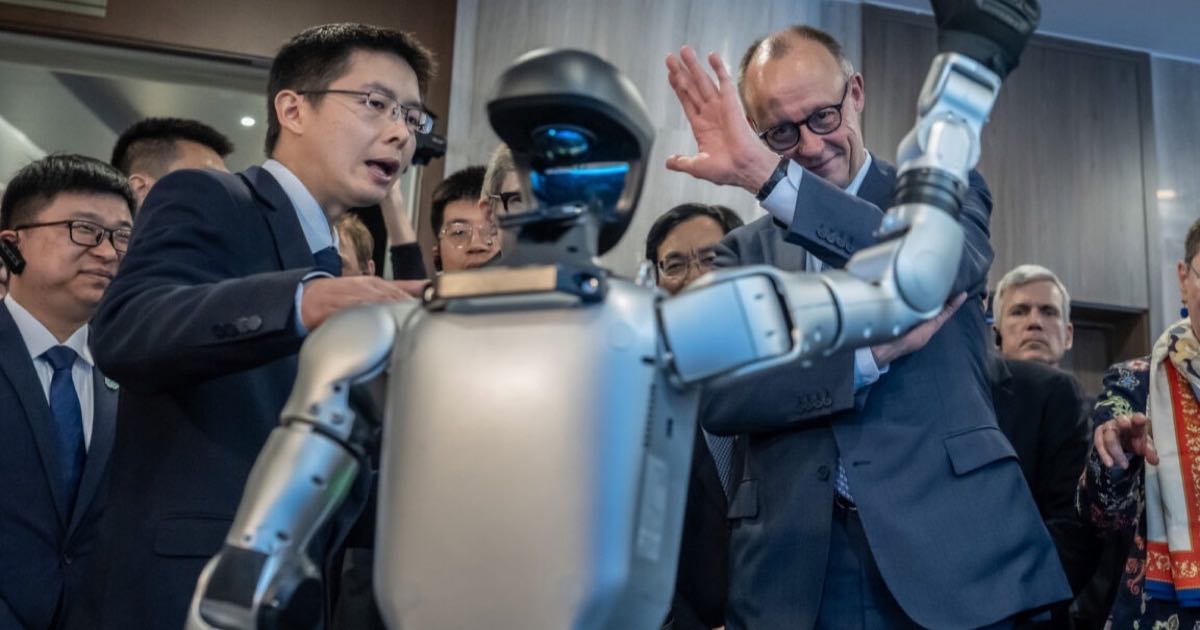
At Xiaomi’s booth, the humanoid CyberOne completed the other half of a heart when a visitor made the first half with their hands, and returned fist bumps on request. Cute, but the number that matters sits in the company’s line about its day job: CyberOne works at an EV factory, and its success rate at fastening nuts is now 98 per cent. A Xiaomi spokesperson said the company is accelerating efforts to automate its factories and is testing the robot for manufacturing floors.
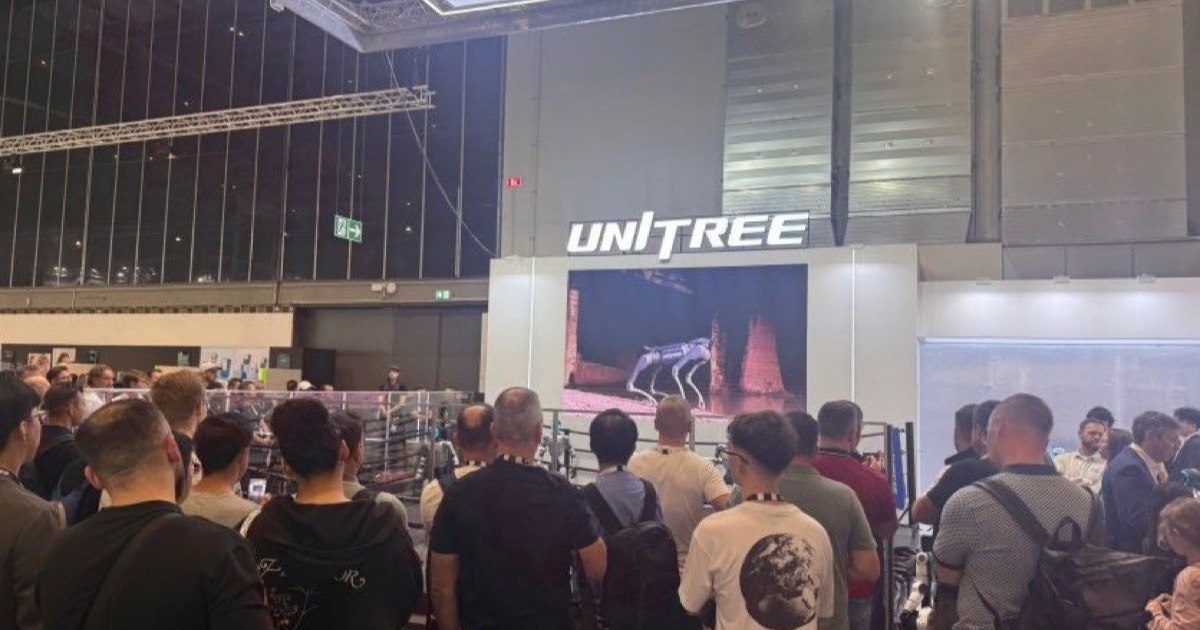
Unitree’s G1 humanoids danced in formation, more or less. Some swayed unsteadily or dropped out of step, and the units that had earlier demonstrated their boxing routine sat the dance out, resting. TCL’s home robot AiMe tracked visitors’ gestures and waved back. Hisense’s screen-faced home robot roamed the floor making expressions at people. Dobot brought a panda-shaped dancing robot. Pudu Robotics showed its four-legged D5 inspecting facilities by navigating stairs and slopes, and debuted the D7 in Europe — a machine for manufacturing and logistics work like moving materials and retrieving items from high shelves.
Rounding out the domestic pitch, Roborock showed the Saros Z70, a vacuum with a small arm that picks socks and slippers off the floor before cleaning beneath them, and Dreame unveiled a mop that extends 8 centimetres when its camera spots a liquid spill, distinguishes over 320 object types, and steams dried grime loose. Roborock’s Lawn Mower Z1 Lidar maps gardens, climbs 8-centimetre platforms and handles slopes up to about 39 degrees.
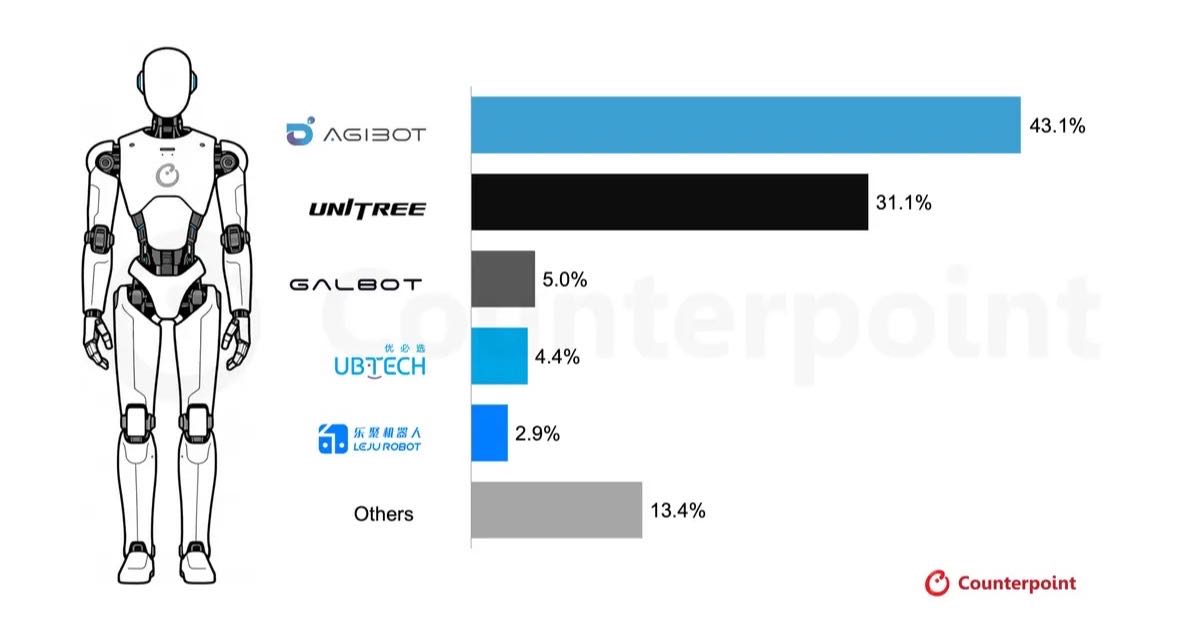
On Saturday September 5, the show escalated into theatre: “Robots on the Runway,” IFA’s first robot catwalk, with humanoids and quadrupeds from Unitree, AgiBot, Dobot and Deep Robotics performing backflips and poses on a single stage. Unitree was already the most complicated company on the floor — our earlier coverage looked at the bind European buyers face: a $51 billion Shanghai listing, a US Covered List designation, and no European verdict of its own.
The buyer’s arithmetic
TrendForce predicts China’s humanoid robot production will grow 94 per cent this year, with the market reaching 24 billion yuan (about $3.6 billion) next year. Those are production-side numbers, and they’re being driven by what the IFA floor demos only gesture at: factories buying machines that repeat a task to a measured tolerance.
The household side is where the gap showed. Visitor reactions were mixed — one parent, touring with two children, put it plainly: there are a lot more robots than last year, but “we’re still far from one that can fully take over housework… they’re still too slow and too expensive.” Houses vary wildly in layout and use, and the profitability of household robots remains elusive. Meanwhile the machines built for manufacturing, commercial use or specialised tasks are spreading faster.
That’s the honest read of IFA 2026. The humanoid that fist-bumps you is a marketing shell around a machine whose real customer is a factory manager with a spreadsheet. Xiaomi’s 98 per cent nut-fastening rate is the most important number in the whole show, and it was buried in a sentence about EV assembly.
What I’d watch next: whether the runway spectacle converts into European pilot deployments, or whether Chinese humanoid makers spend 2027 selling primarily to their own factories at home. The production growth curve says volume is coming either way — the question is whose floor it lands on.
For New Zealand, the practical angle is unglamorous: the sooner a food-processing plant in Hamilton or a logistics operator in Auckland can justify a D7-class machine on ROI alone, the faster the labour math changes for the work nobody here wants to fill.
— CJ Murden, editor of Singularity.Kiwi. Former digital technologies teacher, author of AI-focused books. Writing with a New Zealand focus.