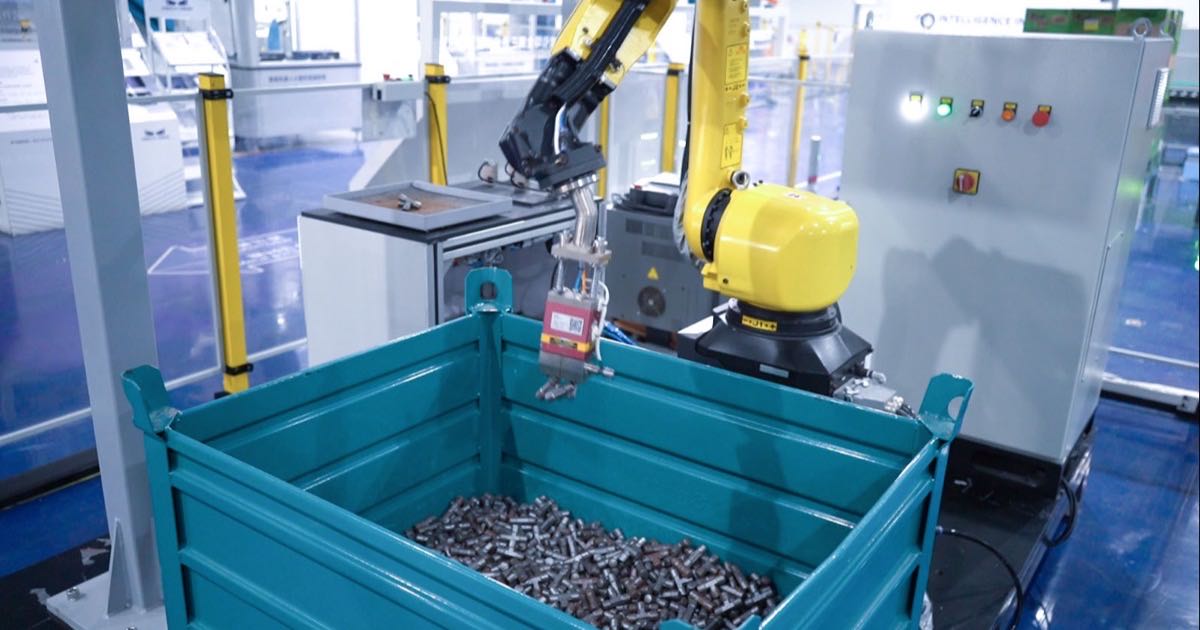
The data centres that train AI models are, oddly enough, among the last places AI hasn’t automated. That may be starting to change. According to a WIRED report published August 28, 2026, Meta is testing robots from Watney Robotics (San Francisco), Kinova (Quebec) and ABB (Zurich) to move server racks, inspect equipment, replace networking cables and restart servers inside its own facilities.
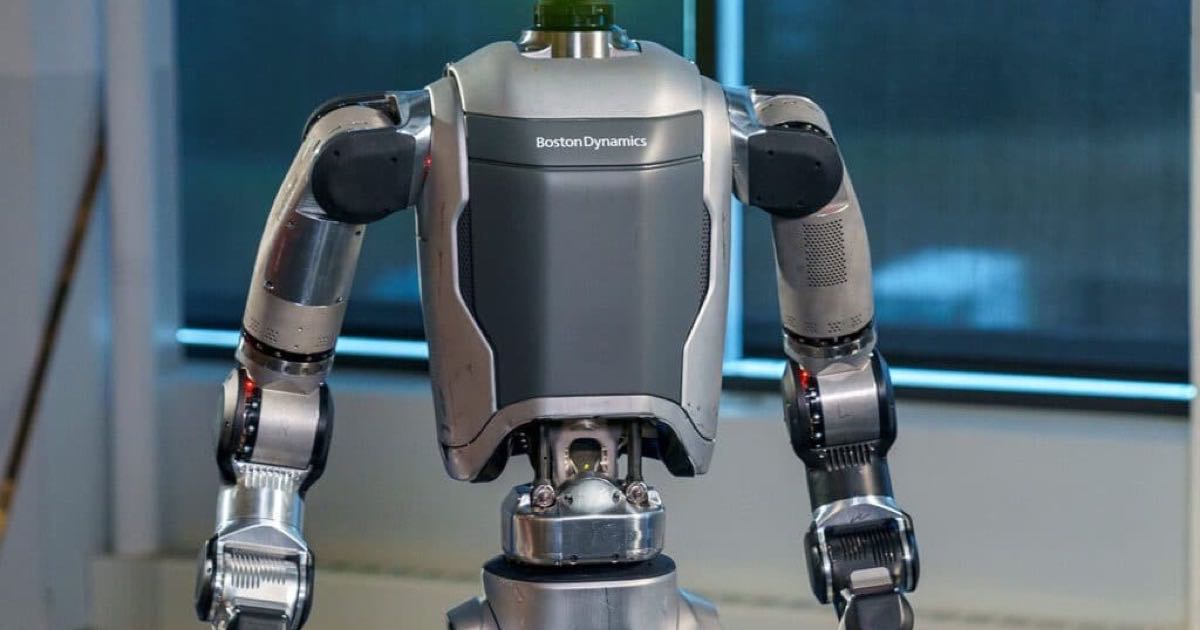
What stands out here is how unglamorous the tasks are. No humanoids. No drama. Just the fiddly, repetitive work that keeps a data centre running — plugging cables into dense racks, rebooting machines that have locked up, walking the aisles looking for trouble. It’s exactly the sort of work that is technically simple for a machine to attempt and brutally hard to do well, because racks are cramped, cables are tangled, and battery life gets in the way.
The robots are not close to ready. WIRED’s reporting notes they still require human supervision and struggle with obstacles, battery life, visual inspections and dense cabling. One unnamed Meta data centre worker — and the framing matters here — estimated that a successful cable-swapping robot could eventually handle as much as 80 per cent of the work in certain roles. That was the worker’s own guess, not a Meta projection, and the same report says the machines can’t yet match a person’s speed.
Meta’s official position is that it needs more workers, not fewer. A company spokesperson told Decrypt: “America is in the middle of its biggest infrastructure boom since World War II, and there’s a major shortage of skilled workers to fill the roles; we need more workers, not fewer.” The company points to continued hiring and expanded training programmes.
Both things can be true. The AI build-out has created genuinely unfilled technician roles, and robots that could eventually do a big slice of maintenance work would change the profile of what those jobs are. Workers who spoke to WIRED said they worry automation will reduce demand for experienced technicians and shift the remaining tasks toward lower-paid staff following AI-generated instructions — a flattening of the career ladder rather than a sudden layoff.
Meta’s push fits a broader pattern. Nvidia’s Jensen Huang has long described data centres as “AI factories” operated by people, software agents and robots together. Alibaba unveiled its Qwen-Robot Suite in June to train robots for navigation and object handling, and Nvidia researchers have demonstrated agents that train robot fleets. The data centre floor is a natural early target: structured, predictable, privately owned — no footpaths, no pets, no surprised members of the public.
For the industry, it’s also a telling admission about where automation actually lands first. The robots aren’t going into homes or hospitals. They’re going into the buildings the tech companies themselves own, doing the jobs the companies understand best. If maintenance robotics works inside a Meta data centre, it will spread outward from there — construction sites, then warehouses, then everywhere else structured work happens.
For New Zealand, the nearest equivalent work is in the handful of local data centre operations and the broader trade economy. The interesting watch-item isn’t whether robots get good at swapping cables. It’s whether “technician” becomes a job that starts with AI instructions and ends in supervision — here as much as anywhere.
— CJ Murden, editor of Singularity.Kiwi. Former digital technologies teacher, author of AI-focused books. Writing with a New Zealand focus.