Mech-Mind Robotics Technologies listed on the Hong Kong Stock Exchange’s Main Board on September 1, 2026, pricing its global offering at HK$101.70 per H share — the very top of the HK$95.30–$101.70 range. The deal raised approximately HK$2.20 billion in net proceeds and valued the company at HK$12,713.6 million, about US$1.6 billion. Trading opened at 9:00 a.m. under stock code 09615.
The demand figures are the story. The Hong Kong public offering drew 252,461 valid applications and a subscription level of 3,835.36 times the initial retail tranche, according to the company’s allotment results announcement. That triggered the exchange’s claw-back mechanism, bumping the retail allocation from 5 per cent to 20 per cent of the deal. The international placement was still 13.39 times covered. Nine cornerstone investors led by Baillie Gifford took 62 per cent of the offer shares — the kind of lock-up that signals long-horizon money rather than a quick flip.
What Mech-Mind actually sells
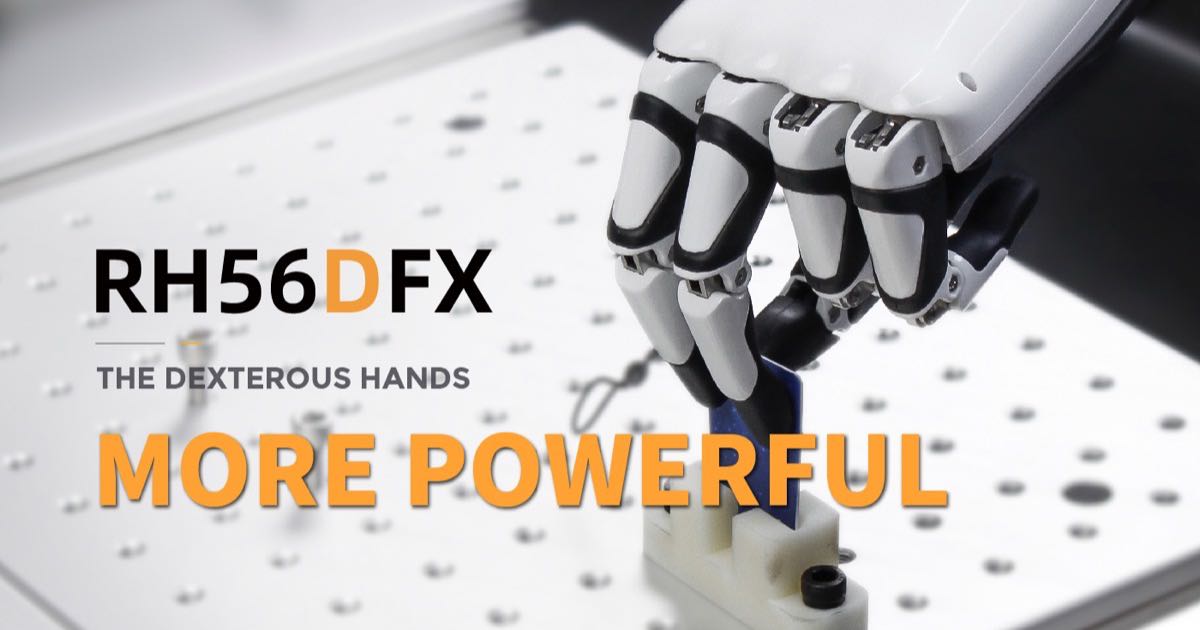
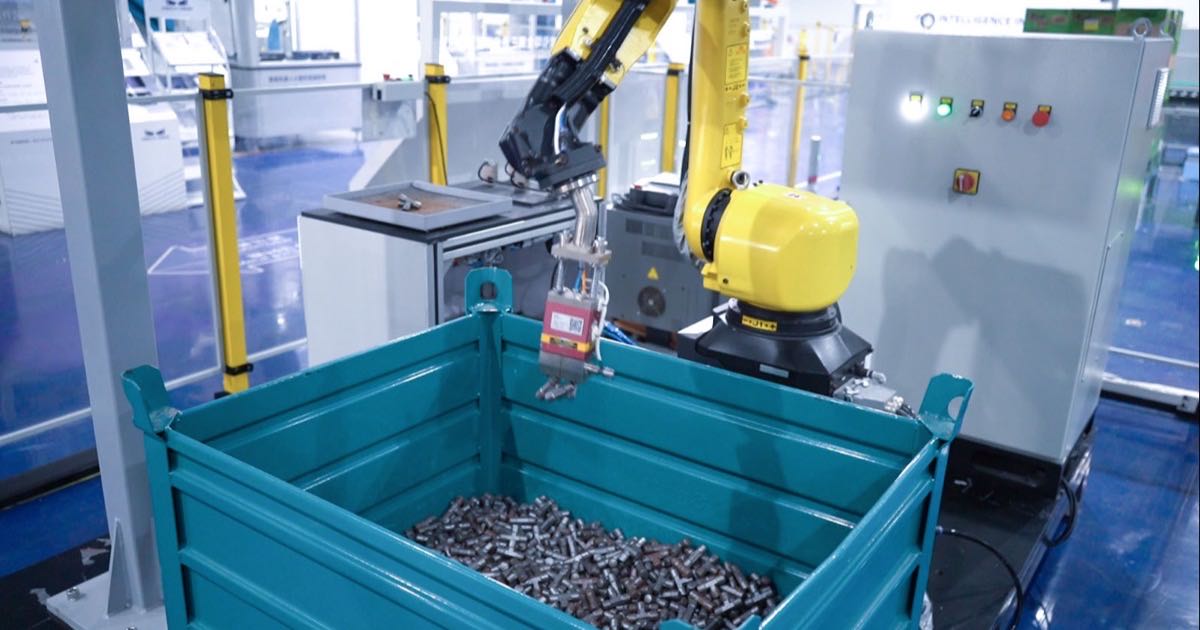
It’s worth being precise, because “embodied AI IPO” undersells the specificity. Mech-Mind doesn’t build robots. It builds the perception-and-decision layer that makes existing robots useful: Mech-Eye industrial 3D cameras for vision, a proprietary multimodal model called Mech-GPT for planning, and Mech-Hand dexterous end-effectors for grabbing things. The company calls this “eye-brain-hand” standardisation, and the pitch is that a robot equipped with its components can handle random stacking, reflective surfaces and partial occlusion without someone hand-programming each scenario.
That’s the unglamorous version of embodied AI — no backflips, no viral demos — and it’s the version with actual revenue. The prospectus shows revenue growing from RMB180.8 million in 2023 to RMB268.8 million in 2024 and RMB388.8 million in 2025, a 46.6 per cent compound annual growth rate. Q1 2026 revenue was RMB106.9 million, up 73.1 per cent year on year. Over 29,000 units deployed globally, 1,605 customers, and customers including CATL, BYD, Midea and Foxconn, per Qiming Venture Partners’ announcement. The company claims roughly a 22.1 per cent share of the global market for AI and 3D vision-guided intelligent robot components by 2025 revenue.
The honest caveat: it lost RMB360.2 million in 2025. Growth-stage deep-tech companies burning cash into an IPO is normal, but investors buying at 30-ish times 2025 revenue are underwriting the growth rate holding, not the current P&L.
Why the listing structure matters
Mech-Mind listed under Chapter 18C of the Hong Kong Listing Rules — the Specialist Technology Company regime created for pre-commercial and commercial specialist tech firms that wouldn’t otherwise clear traditional profitability tests. Hong Kong has been actively recruiting this listing class, and after Unitree’s wild Shanghai debut in August (which we covered when the shares popped 629 per cent), every robotics company with a revenue line is watching what public markets will pay for the category.
There’s a contrast worth naming. Unitree listed as a complete humanoid maker and got a consumer-narrative valuation. Mech-Mind listed as a components supplier — the picks-and-shovels layer — and got an orderly, heavily cornerstone-anchored deal that priced at the top of its range without a 600 per cent pop. Whether that’s discipline or a discount depends on how the shares trade from here, but the 3,835x retail oversubscription suggests Hong Kong’s appetite for robotics exposure isn’t limited to humanoid headline-grabbers.
For New Zealand readers, the interesting part is supply-chain shaped. Most of the world’s industrial robot deployments run through a handful of component suppliers, and if 3D vision-guided picking keeps displacing fixed tooling in food processing, warehousing and manufacturing, the economics of automating smaller-scale operations — the kind that exist across NZ’s food and logistics sectors — keep improving. The Wall Street banks that missed the Hong Kong AI IPO wave will have noticed this one too.
The company says proceeds go roughly 31.8 per cent to R&D, 29.4 per cent to global expansion and commercialisation, 25.2 per cent to product portfolio, 5 per cent to capacity, and 8.6 per cent to working capital, per its August 24 prospectus.
FAQ
What does Mech-Mind Robotics make? Industrial 3D cameras, AI software for robot vision and motion planning, and dexterous robotic end-effectors — the perception and decision components that let industrial robots work in unstructured environments.
How much did the Mech-Mind IPO raise? Approximately HK$2.20 billion net (HK$2,353.4 million gross) at HK$101.70 per share, valuing the company at HK$12.7 billion.
What is HKEX Chapter 18C? A Hong Kong listing regime for specialist technology companies, allowing pre-commercial and commercial tech firms with high R&D intensity to list before meeting standard profitability requirements.
— CJ Murden, editor of Singularity.Kiwi. Former digital technologies teacher, author of AI-focused books. Writing with a New Zealand focus.