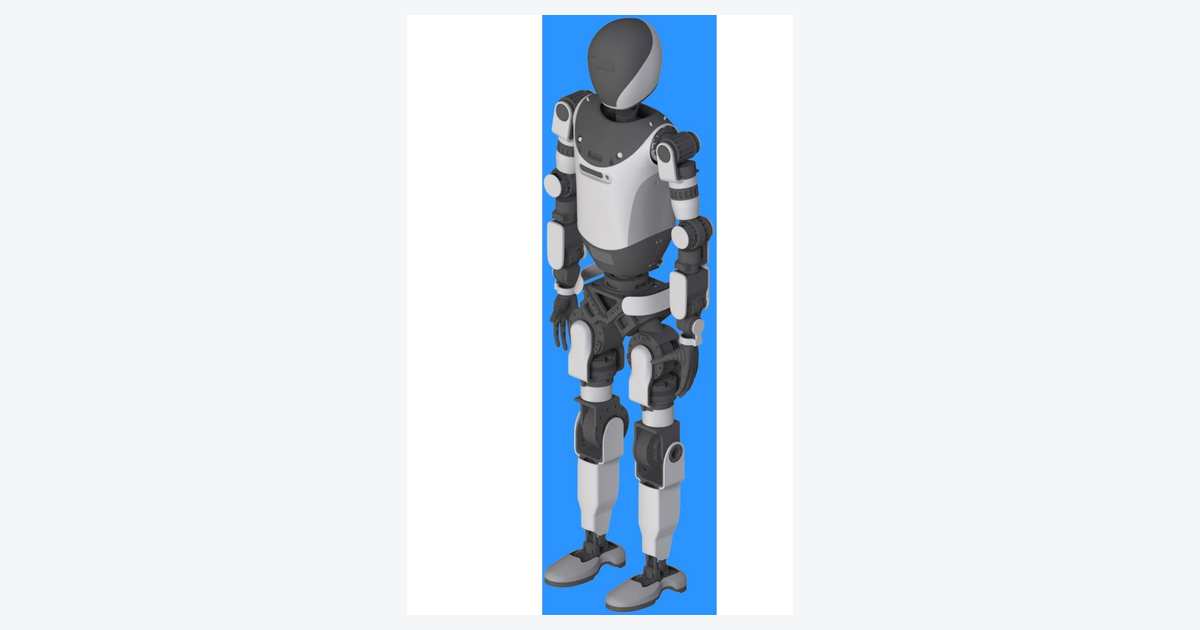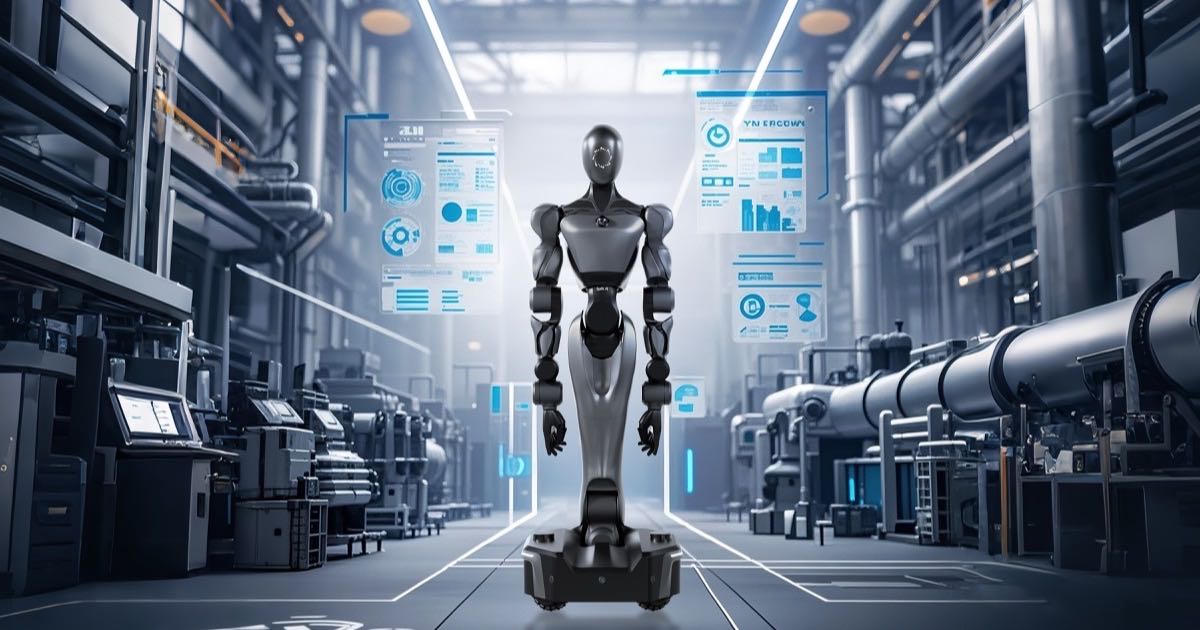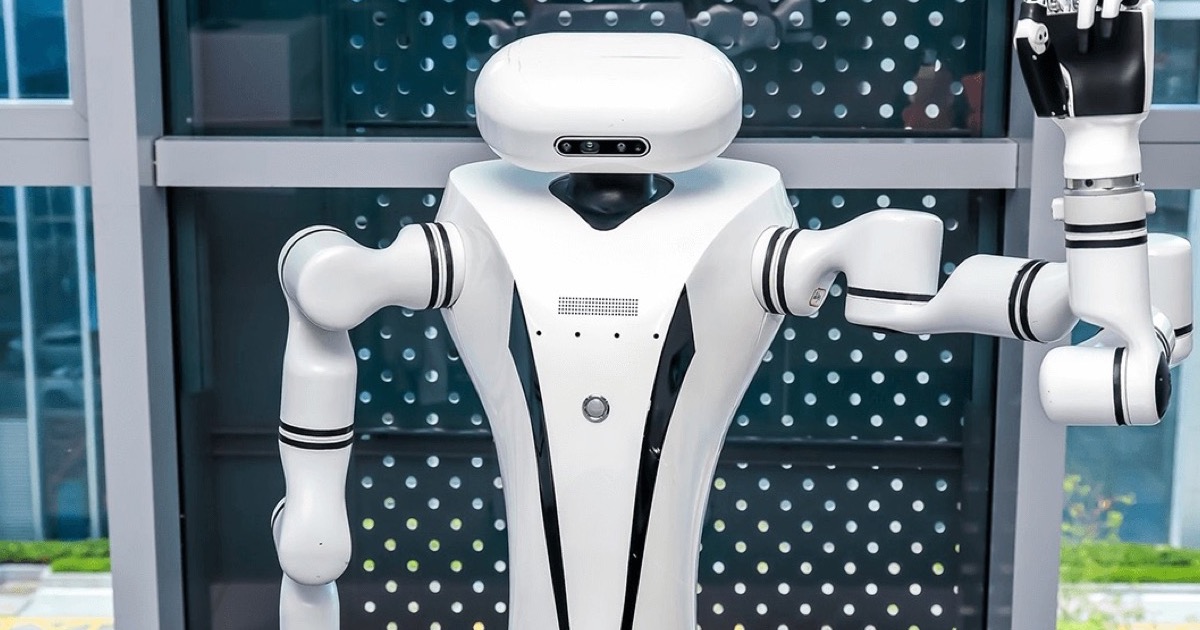
Chinese AI startup PsiBot, also known as Lingchu Intelligence, is raising close to $100 million in fresh funding at a $1.48 billion valuation, Bloomberg reported on July 23. The round is being led by Chinese carmaker Chery Automobile, with participation from Lens Technology — a sensor maker that supplies both Apple and Tesla.
The deal makes PsiBot the latest in a rapidly expanding roster of Chinese AI startups to cross the $1 billion valuation mark this year, a cohort that now includes Moonshot AI (reportedly in talks for pre-IPO funding at a $50 billion valuation), DeepSeek, and MiniMax. PsiBot has raised approximately $300 million since its founding in 2024.
🔍 THE BOTTOM LINE
The PsiBot round is not notable for its size — $100 million is modest by AI startup standards. It is notable for what it signals: Chinese AI startups are still attracting capital, still hitting unicorn valuations, and still finding strategic investors despite US export controls, distillation accusations, and a broader geopolitical tech war. The money is coming from Chinese industrial companies, not Silicon Valley venture capital. That is the shift that matters.
What is PsiBot? Lingchu Intelligence (PsiBot) is a Chinese startup focused on embodied AI — the intersection of artificial intelligence and physical robotics. Founded in 2024, the company has quickly attracted strategic investors from China’s automotive and consumer electronics supply chains. Chery Automobile, the lead investor, is one of China’s largest vehicle exporters. Lens Technology, a co-investor, manufactures glass and sensor components for Apple and Tesla.
Why a Carmaker Is Leading the Round
Chery Automobile’s lead role is the detail that tells the story. PsiBot is building embodied AI — systems that bridge artificial intelligence and physical robotics. For a carmaker, that capability is strategic: autonomous driving, robotic manufacturing, and the broader integration of AI into physical systems are all areas where an embodied AI startup could give Chery a competitive edge.
Lens Technology’s participation reinforces the pattern. The company supplies Apple and Tesla — it sits inside the global consumer electronics supply chain. Its investment in PsiBot suggests that the components industry sees embodied AI as the next platform, not just a research curiosity.
The Broader Pattern: Chinese AI Startups Defying Export Controls
PsiBot’s unicorn status is not an isolated event. The Chinese AI startup ecosystem has been producing billion-dollar companies at a pace that challenges the US export control narrative:
-
Moonshot AI is reportedly in talks for pre-IPO funding at a $50 billion valuation, Bloomberg reported on July 21 — a figure that would make it one of the most valuable private AI companies in the world. Moonshot plans to IPO within six months after its Kimi K3 model stunned the industry.
-
DeepSeek and MiniMax were among the Chinese AI companies Anthropic accused of distillation in February, running 24,000 fake Claude accounts. Both remain active, funded, and competitive.
-
China’s open-weights strategy continues to distribute capable models globally at no cost, building adoption that US restricted-distribution models cannot match.
The pattern: US export controls may restrict access to the best chips, but Chinese capital is filling the gap. When the White House accuses Moonshot of accessing banned Nvidia servers, the accusation implies that the controls failed — and that the startup built a competitive model anyway.
The Investment Climate in China vs the US
The PsiBot round reveals a structural difference between the US and Chinese AI startup ecosystems. In the US, AI startup funding is dominated by venture capital firms that benchmark valuations against public market comparables and IPO windows. In China, strategic industrial investors — carmakers, component manufacturers, state-backed funds — are deploying capital to secure capabilities they need for their own supply chains.
This means Chinese AI startups have access to a funding base that is less sensitive to short-term valuation pressure and more aligned with long-term industrial strategy. PsiBot’s round is modest in dollar terms, but its investor roster — a carmaker and an Apple supplier — represents something venture capital cannot provide: guaranteed customers and integrated supply chain access.
What This Means for the Global AI Landscape
The Chinese AI startup boom has three implications that matter beyond Beijing:
-
The export control gap is real. If Moonshot built Kimi K3 on restricted Nvidia hardware, as the White House alleges, the controls are leaky. If PsiBot is building embodied AI without needing US chips, the controls are also irrelevant for a category of startups that can work with domestic alternatives.
-
The distillation fight is not slowing Chinese AI down. Anthropic, OpenAI, and Google have been accusing Chinese labs of distillation for months. Those same labs are raising money, planning IPOs, and shipping competitive models. The accusations have not produced a measurable chilling effect on Chinese AI investment.
-
Industrial AI is the next frontier. PsiBot’s embodied AI focus — backed by a carmaker — signals that the next phase of the AI competition may not be about language models but about physical systems. The country that integrates AI into its manufacturing base first will have a structural advantage in the industries that actually drive GDP.
❓ FAQ
What does PsiBot actually make? PsiBot (Lingchu Intelligence) builds embodied AI — AI systems designed for physical robotics and industrial applications. The company was founded in 2024 and has raised approximately $300 million to date.
Why is a carmaker investing in an AI startup? Chery Automobile led the round because embodied AI has direct applications in autonomous driving, robotic manufacturing, and vehicle intelligence. For a major Chinese car exporter, owning a stake in an embodied AI startup is a strategic play, not a financial one.
How does this fit the broader Chinese AI startup picture? PsiBot joins Moonshot AI ($50B reported valuation), DeepSeek, and MiniMax as Chinese AI startups that have crossed the $1 billion mark. The trend has continued despite US export controls and distillation accusations, suggesting that Chinese capital is filling the gap left by restricted Western technology and investment.
Does the US export control strategy work? The evidence is mixed. Controls on Nvidia chip exports have made it harder and more expensive for Chinese labs to train frontier models. But Chinese startups are still raising money, shipping competitive models, and hitting unicorn valuations. The White House’s own allegation that Moonshot accessed banned chips suggests the controls are leaky enough to be circumvented.