When Starship Technologies announced it was winding down campus deliveries to chase groceries, the obvious question was whether anyone could make campus sidewalk robots pay. Robot.com’s answer arrived as a contract length: seven years.
The company — founded in 2017 as Kiwibot, rebranded to Robot.com in October 2025 — has signed a seven-year commercial agreement with Sodexo, the food and facilities giant that serves 80 million consumers daily. Robot.com calls it the largest single enterprise deployment in the company’s history. The partnership started in 2021 with a few hundred robots on 10 campuses; by 2022 the target was 1,200 robots across 50 US campuses, with Sodexo even joining Kiwibot’s pre-Series A round.
What’s actually deployed today: more than 500 robots across the US, Canada, Dubai and MENA, and over 2.4 million completed tasks across campuses and city sidewalks. Felipe Chavez Cortes, Robot.com’s co-founder and CEO, told The Robot Report the company logged 250,000 revenue-generating robot hours in the first half of this year, with a goal of a million hours a year.
Why seven years matters more than the headline
Campus delivery has a churn problem. Students graduate, contracts get re-tendered, and operators exit — Starship’s retreat toward grocery is the clearest sign that the campus-only model was fragile. A seven-year term inverts that: it gives Robot.com a predictable revenue floor through 2033 and gives Sodexo a fixed automation partner across its managed campus portfolio, at a moment when Sodexo says it’s struggling to fill open positions.
“Seven-year contracts don’t come right away,” Cortes said. “It was a learning process for both companies on what it takes to implement robotics, and what it takes to add value on both sides.”
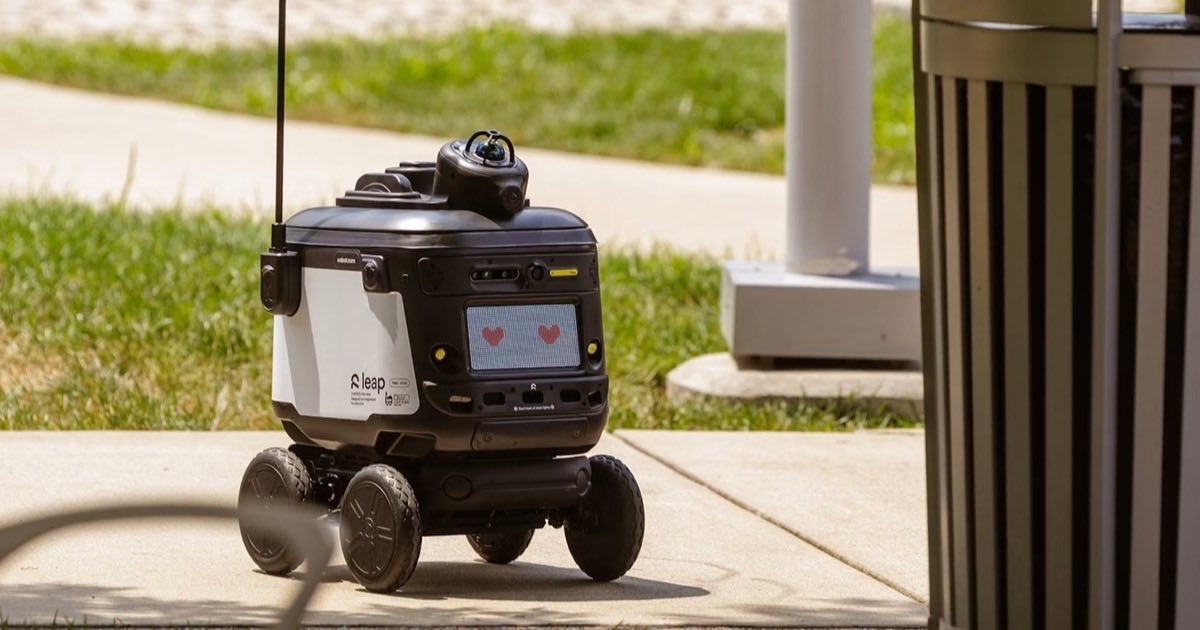
The economics lean on Remi, the company’s deployment platform — teleoperation, fleet routing, and implementation intelligence built over nearly a decade. The deal folds in a second revenue engine: R-ads, the advertising layer that lets brands push campaigns to screens mounted on the robots. Delivery pays once; the advertising network pays again on the same routes.
The fleet beyond the food box
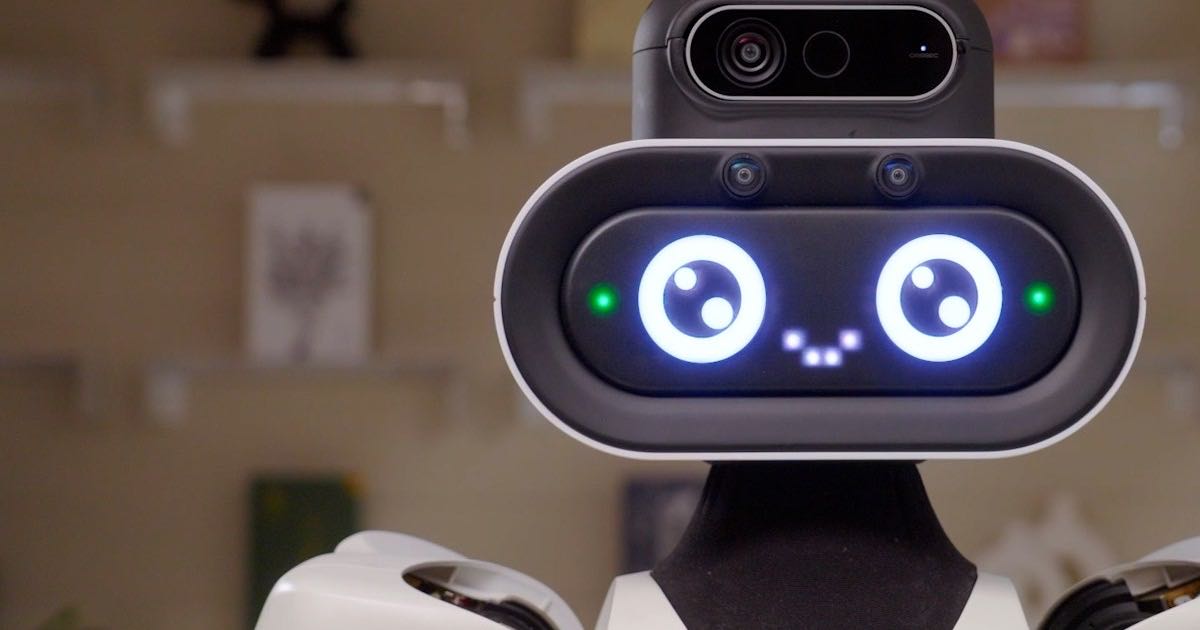
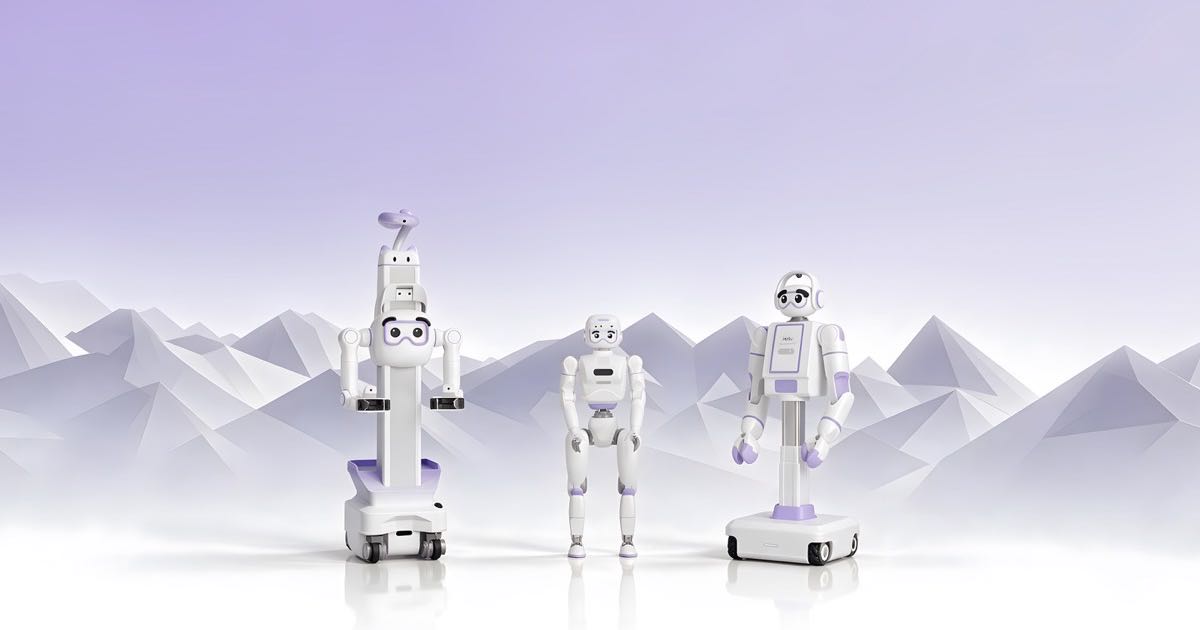
The contract isn’t just about the R-Kiwi box robots. Robot.com’s lineup now includes R-cargo for bulk logistics, the R-noid humanoid for kitchen and back-of-house work, and R-Dog — a quadruped unveiled in August, built for the stairs and curbs where wheels stop. The production version is being developed with FieldAI, whose foundation models act as the robot’s autonomy brain. R-Dog is slated for commercial deployment in 2027, which is when this deal’s terms will really get tested — a food-service quadruped dropping packages at dorm doors is a different operational proposition than a wheeled box on a bike path.
For New Zealand readers, the detail worth noting is what this says about service-robot business models generally. The winners in this market aren’t the ones with the best robot demo — they’re the ones who sign long enterprise contracts that survive management changes and budget cycles. Robot.com spent five years proving reliability on Sodexo’s campuses before earning the long term. That playbook — small deployment, patient years, then a decade-plus lock-in — is the one to watch as service robotics spreads into hospitals, aged-care facilities and logistics yards here.
Robot.com’s own framing of the next phase: 2.5 million-plus tasks completed, a million robot-hours a year, and now a second revenue stream riding on the same hardware. If the advertising layer actually converts, the campus robot stops being a delivery device with a screen and becomes a mobile billboard that happens to carry burritos — which may be the more honest description of the business all along.