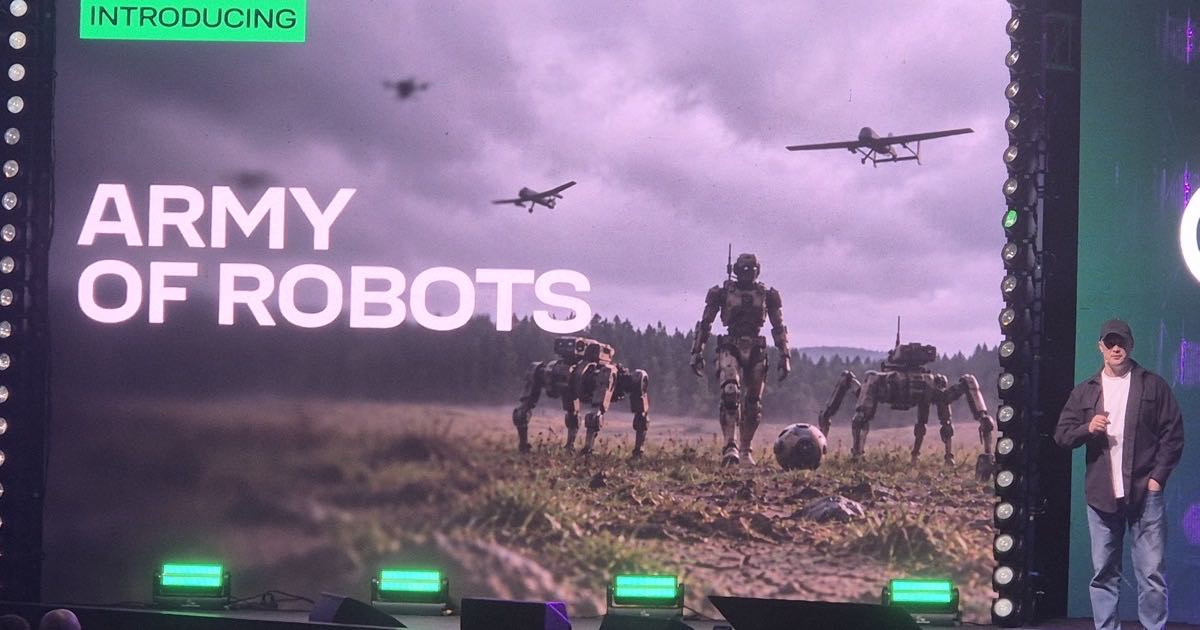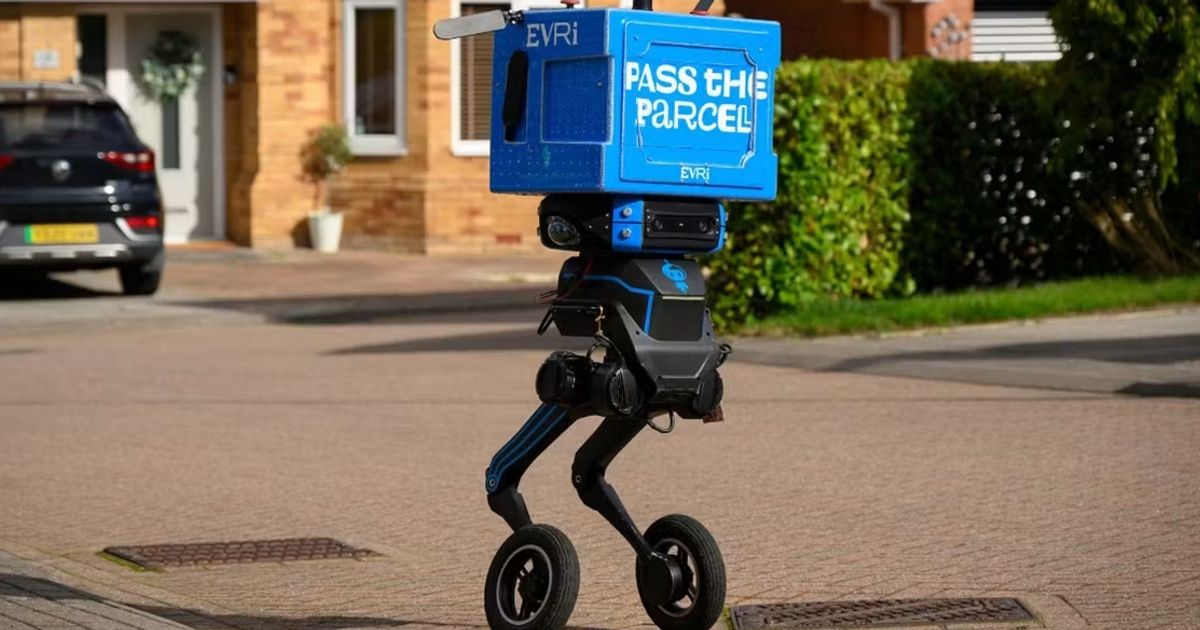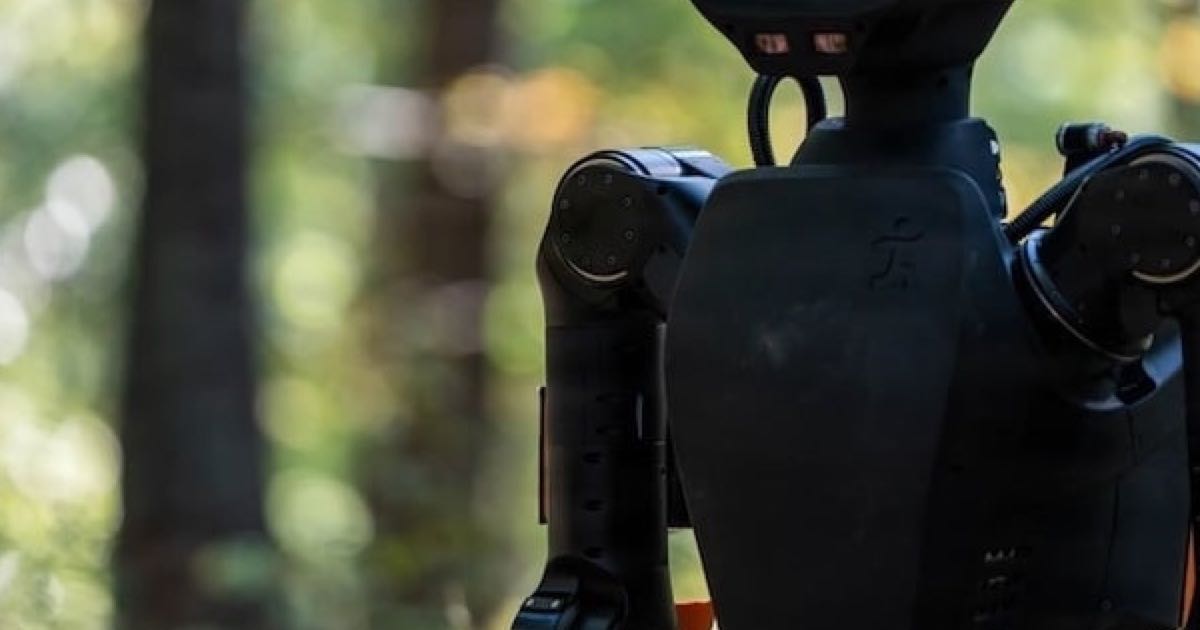
The US Army has run its first large-scale beauty contest for humanoid robots, and it picked a winner with a track record rather than a logo. From 103 proposals, the xTechHumanoid competition narrowed to ten finalists and put nine of them through live demonstrations at Marine Corps Base Quantico on September 9 and 10. The five winners were announced September 11: one complete humanoid and four component technologies, per Defence Industry Europe — and the split is the most revealing thing about it.
The complete-system winner is the Florida Institute for Human and Machine Cognition, a Pensacola research nonprofit that has been building disaster-response bipeds for over a decade. Its Alex humanoid pairs impact-resilient actuators with ballistic protection and can run under a mix of AI autonomy and direct human control, according to the Army’s competition announcement. The other four winners aren’t robots at all: ACES Group and Hydroplane took the power-systems slots — Hydroplane’s contribution being a compact hydrogen fuel-cell unit it demonstrated quietly running at Quantico on September 9, per Korthos Robotics’ event record — Ras Labs won for tactile sensors, and Velocity Explorations for software that converts command intent into actions.
Read the prize list as a diagnosis
The Army’s real verdict on humanoid robotics is sitting in that component list. If the skeleton were the problem, the competition would have crowned several platforms. Instead it crowned one skeleton and three fixes: keep it powered, give it a sense of touch, and make it understand what a soldier means rather than what a joystick says. Each of those maps to a known weakness of the current generation — humanoids that still struggle to generalise outside structured settings, run out of runtime in under a couple of hours, and can’t reliably feel what they’re holding.
The prize money tells you the same story. Per the Army’s 2025 launch announcement, xTechHumanoid carried up to $490,000 in cash prizes and up to $1.25 million in potential follow-on awards — enough to move startups, nowhere near enough to meaningfully fund a humanoid programme, which is the point. This was a sourcing exercise, not a procurement one: the Army was buying a map of who actually has working subsystems, and the Hydroplane example shows the conversion path — a $30,000 category prize plus, per Korthos’ record, a pathway to pursue follow-on government funding through Army acquisition routes. The competition’s own framing in 2025 was explicit about assessing subsystems like AI, sensors and power systems for “scalable commercial solutions.”
The stated goal is exposure reduction, not terminator theatre. Army Chief Technology Officer Dr. Alex Miller put it as “identifying the problems, mission needs, and opportunities to enable our formations with the right mix of tools,” per Defence Industry Europe. The Army’s Humanoid Community of Collaboration is feeding the findings into a next phase focused on power and energy constraints — confirmation, if any were needed, that the service’s own engineers think the electron budget is the binding constraint.
The two-year timeline no one is spelling out
The launch announcement is dated August 2025 and the competition window closed with the September 2026 demonstrations, per the Army xTech site and Soldier Systems Daily’s September 2025 coverage. Thirteen months from open to winners is fast by defence standards, and it happened because the Army ran the competition as a buying trip into the commercial market rather than an R&D programme.
Nobody in the winners’ circle is claiming these machines will see combat soon, and the programme’s own structure says the same: the Community of Collaboration’s next-phase focus is power and energy — logistics-adjacent work. The realistic near-term mission set is hauling, loading and carrying in rear areas, the same unglamorous jobs Ukraine’s backers have been trying to automate, and China’s robot developers are publicly saying armed humanoids are 5 to 10 years out. Quantico told you something about the far edge of that spectrum: the Army picked its favourite humanoid, and it picked one with a decade of falling-over pedigree.
The New Zealand angle is the procurement design, not the robot
New Zealand’s Defence Force has neither humanoid robots nor a budget line to buy one, and nothing in this result changes that. What is portable here is the mechanism. The NZDF has been directed toward exactly this kind of accelerated, commercial-first acquisition model in accelerated procurement reforms, and xTechHumanoid is a working template: name a set of component problems, put a modest prize pool against them, and get 103 companies to self-select into demonstrating at your base for the price of a plane ticket. For a small defence force that will never fund a humanoid programme of its own, the prize-plus-pathway design — small cash, access to acquisition pipelines — is how you get visibility of frontier hardware without buying it. Wellington’s acquisition staff should be filing this one under “copy the mechanism, skip the robot.”
What we still don’t know
The Army has not published the individual prize amounts beyond the programme-level maximums, the full scoring criteria, or which of the four component categories saw the strongest field. IHMC’s own announcement came via its channels and LinkedIn; as of publication, the full technical basis for Alex’s ballistic protection claims — what standard, what calibre — has not been independently reported, and no footage of the Quantico demonstrations has been publicly released beyond the Army’s own summaries. The competition’s second phase on power and energy has no announced date. What is firm: 103 proposals exist, the demonstrations happened on September 9–10 at Quantico, and the winners were named September 11 — a fact pattern first reported by trade press and still awaiting the Army’s own deep technical readout.