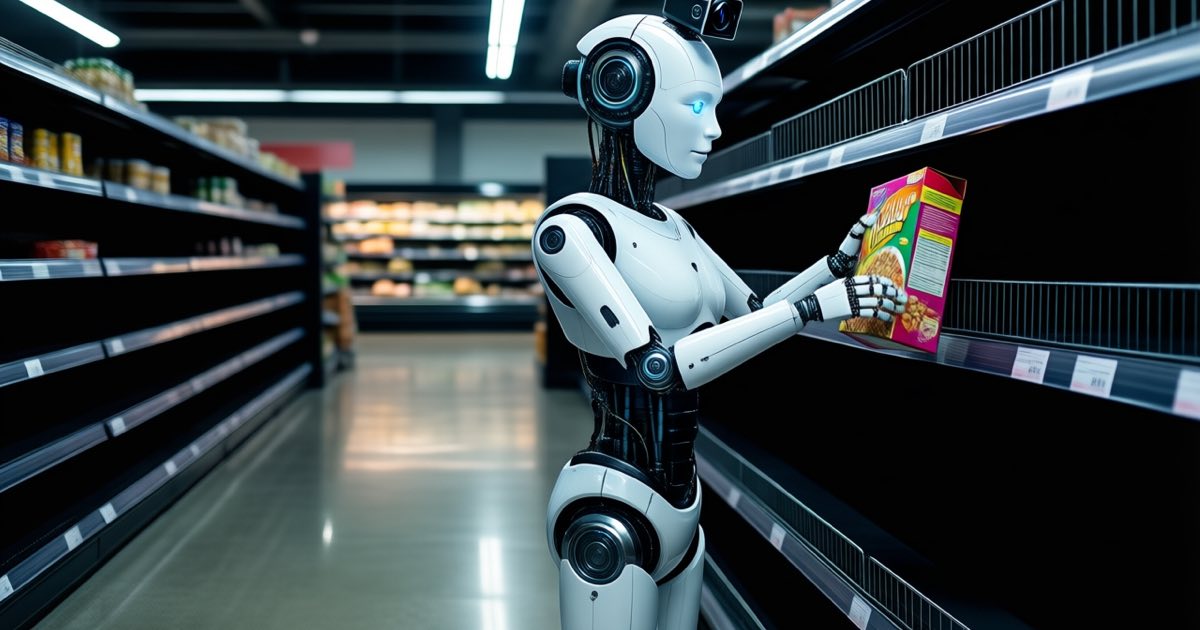
Humanoid robots have officially moved from showroom floors to grocery aisles. Associated Press video published on 11 October 2026 shows startup HIVE Robots’ humanoids stacking shelves in Danish supermarket chain føtex, where they have been training since June in the hours after the store closes to customers. The stated goal: one day clocking in for the night shift without a human supervisor watching. Euronews carried the same footage with the bluntest framing of the trial — easing staff workload at night, in a country where overnight retail staffing is both expensive and hard to hire for.
What is actually running in the stores
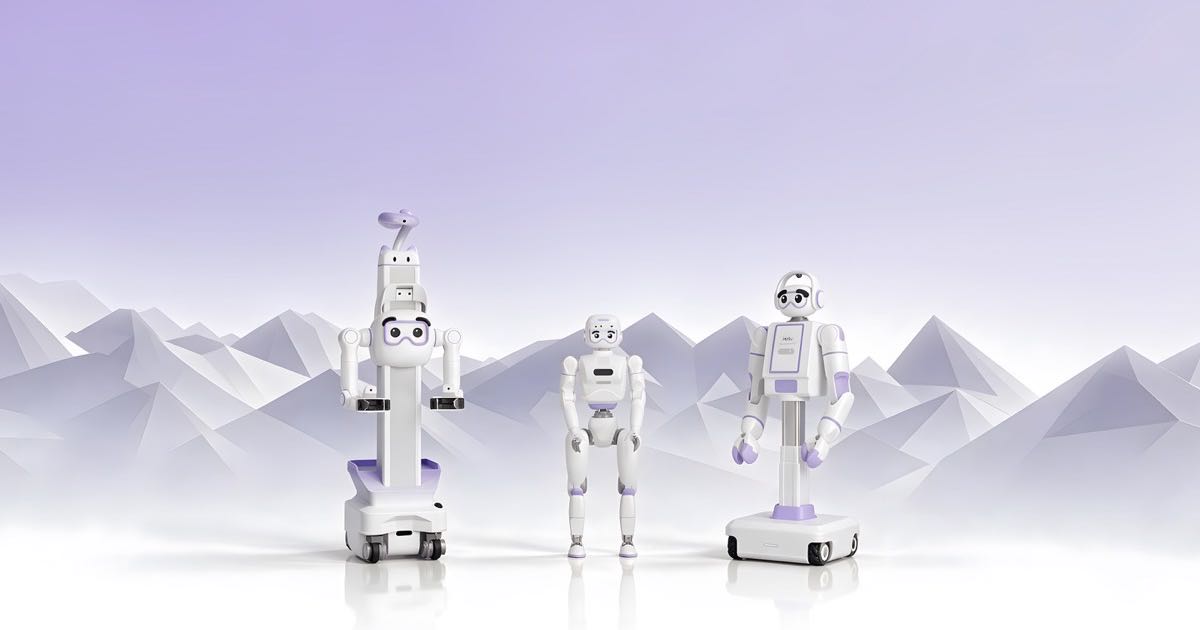
This is not a pop-up demo. HIVE Robots and føtex signed a multi-year co-innovation partnership announced on 11 March 2026, with the first pilot promised before summer 2026 and a dedicated team of more than ten robot software engineers training the system on real store data. The bots are 182cm tall — sized to reach high shelves — and run on a mix of onboard AI and remote “robotpilots”, which is a polite way of saying a human is still in the loop when the model gets confused.
The commercial model is the interesting part. HIVE does not sell robots. Its own site pitches “humanoid shelf replenishment as a service”: you pay an hourly rate, HIVE handles the rest, and the machines are described as approved to work in any EU store, at night. føtex operations director Simon Kudsk gave the strategic rationale in the partnership announcement — supermarkets are designed around human shoppers, which makes traditional industrial robots a bad fit, while a humanoid shares the same physical form factor and can “move naturally and safely around the store”.
The night shift is the entry point for a reason
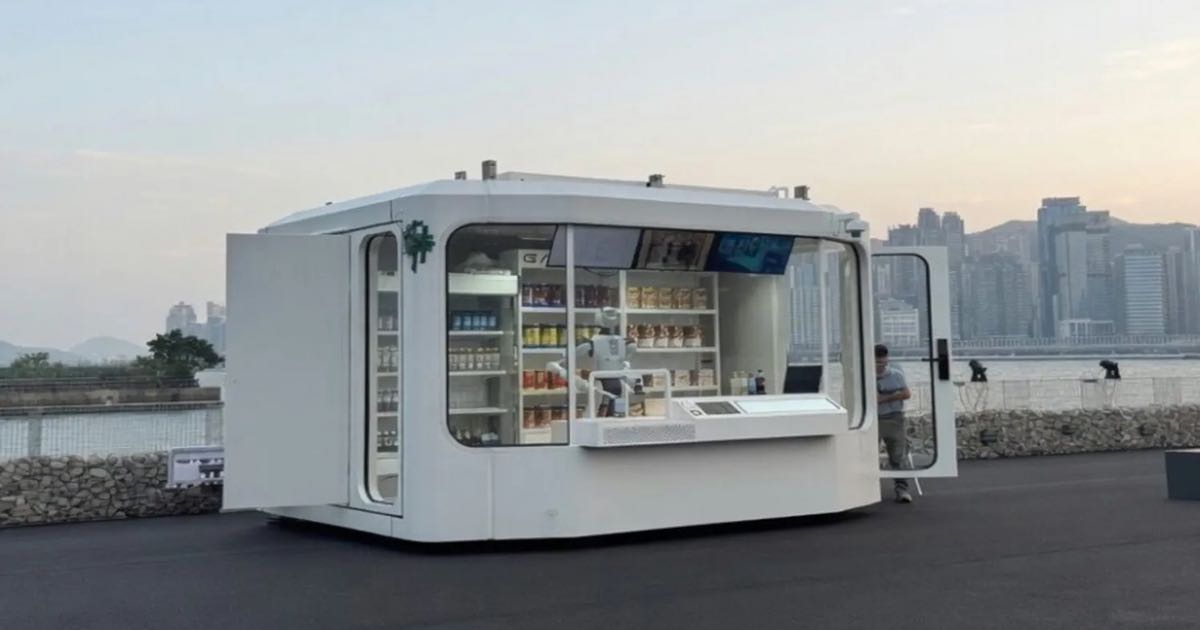
Every meaningful humanoid deployment this year has picked work where the alternative labour is scarce, overnight, or both. Danish supermarkets testing night-shift humanoids sit in the same family as Beijing startup Striding AI pointing humanoids at 24/7 convenience stores earlier this month, and AGIBOT’s 100 X2 units on the shop floor of 100 cookware stores under a three-day livestream. The pattern: retail first as a controlled pilot, because a dropped cereal box costs less than a dropped car door panel.
Meanwhile the warehouse side shows how hard the general case remains. Walmart’s multibillion-dollar warehouse robot rollout is hitting cardboard, dog food and what its own team calls “peak complexity” — the long tail of real inventory that refuses to behave like a training dataset. A supermarket at 2am is the same problem with narrower aisles.
Why an hourly rate matters more than the robot
HIVE’s subscription framing — “you do not buy a robot; pay per hour” — quietly changes the negotiation. A retailer is no longer comparing a capital purchase against wages; it is comparing a flexible hourly service against a workforce that in Denmark comes with night premiums, union agreements and penalty rates. That makes the comparison easier to win for the robot at the margin, and harder to audit: an hourly robot rate with a vendor’s engineers remotely supervising is labour-as-a-service, and the pricing power sits with the vendor, not the store. Denmark is one of the most heavily unionised retail markets in Europe — watch for its retail unions to have views once the bots clock into publicly staffed hours. The trial is currently staying after hours for exactly the same reason self-checkouts spent years behind velvet ropes.
There is also a quieter signal in the footage: the robots are being trained in the store, after closing, on the real shelves. As we noted when mail-your-parents home AI nodes surfaced, deployment data is becoming the moat — whoever gets their models into real physical environments first accumulates edge cases competitors cannot buy. føtex’s closed-store nights are, functionally, a private training lab staffed by produce.
As of publication, neither HIVE Robots nor føtex has announced how many stores run the pilots or what the hourly rate is; the companies’ own materials and AP’s reporting stay at the pilot stage. The physical demonstration is real and verified on video — the business case is still a promise.
Sources: Associated Press via Yahoo News · Euronews · HIVE Robots partnership announcement · HIVE Robots