Walmart’s decade-long, multibillion-dollar push to automate its warehouses is running into a wall made of cardboard. The Wall Street Journal reported on October 8 that the retail giant’s automation programme — spanning roughly 200 US supply-chain buildings that feed 5,200 stores — keeps colliding with the physical messiness of real goods, and Walmart’s own supply-chain chief has put a name to the moment. “We are kind of in this peak complexity,” Rob Montgomery, head of supply-chain operations for Walmart US, told the Journal.
The report, since picked up by Futurism and NY Post, reads as a catalogue of friction that any warehouse engineer will recognise. The humblest task — “breakpack”, removing items from a cardboard case so they can be shipped individually — is trivial for a human and a nightmare for a machine. Walmart’s fix is almost comic in its smallness: it is retiring the reusable cardboard case it has used for two decades in favour of one 1.5 inches shorter, sized to fit the automated systems. The new box must also be taped shut, an extra manual step and an added cost, as Business Model Analyst’s recap of the report details.
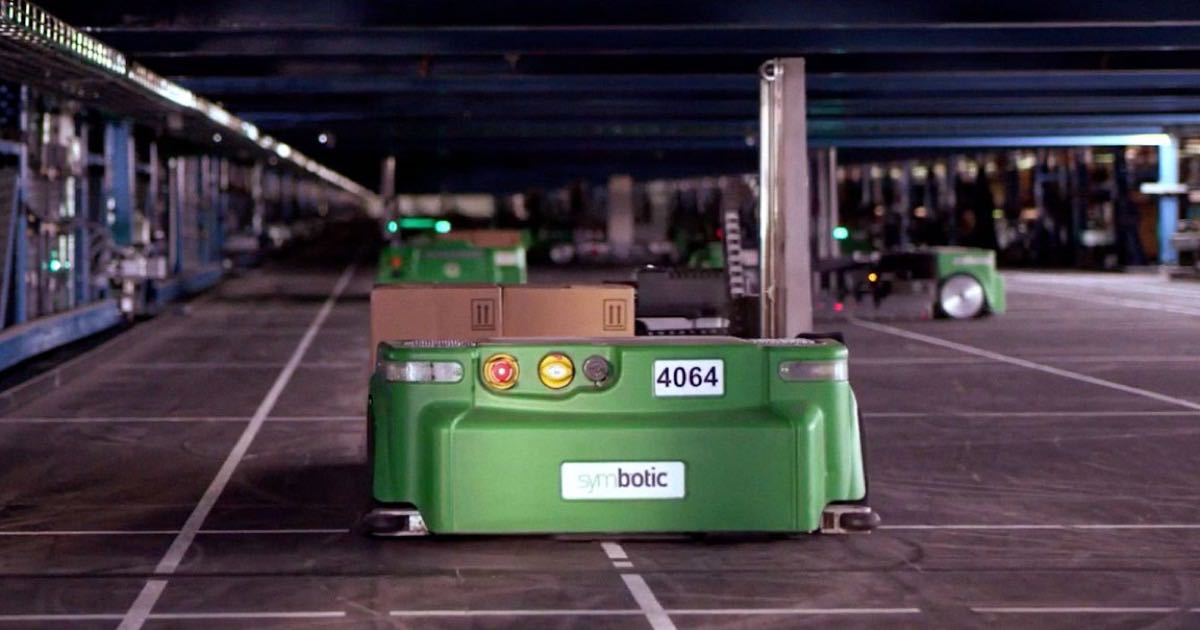
The robots themselves are no longer the showpieces of investor day. After trying several robotics companies, Walmart settled on small wheeled robots now installed in more than a dozen warehouses — but they still can’t handle larger, heavier items like jumbo bags of dog food or big-screen TVs, and they break down often. Symbotic, the automation firm behind much of the build-out, told the Journal that under 10% of its robots were being repaired at any given time last year, a figure that has since fallen to about 5%. Automation has also quietly rewritten the utility bill: monthly electricity at automated grocery facilities can reach $800,000 or more in peak months, up from roughly $250,000 when the sites were mostly manual.
The scorecard is close to the promise, just late. At its 2023 investor meeting Walmart said that by the end of fiscal 2026 about 65% of stores would be served by automation and 55% of fulfilment-centre volume would move through automated facilities. By August 2026, more than 65% of stores were receiving some automated freight and over 50% of e-commerce inventory was moving through automated systems. But the in-store half of the programme has all but stalled: Walmart has spent nearly $1 billion since 2016 trying to automate online-order picking in store backrooms with no workable model to show for it. Your curbside grocery order — at Walmart, and at home — is still picked by a person.
There is a structural twist that makes this more than a story about stubborn boxes: Walmart is on both sides of the table. It owns roughly 12.6% of Symbotic — a stake worth about $3.2 billion at Thursday’s close — while accounting for around 85% of Symbotic’s revenue. It also sold Symbotic its own failed in-store robotics unit and is paying $520 million to fund that unit’s development. When a robot stalls, Walmart the customer waits; when the automation works, Walmart the shareholder collects.
This is the same reality check rippling through the whole industry. Kroger wrote off $2.6 billion after its automated fulfilment network failed to pay off, and Interact Analysis analyst Rueben Scriven characterises the Walmart-versus-Amazon warehouse spending as an arms race between retailers, an analyst’s characterisation cited in the Journal’s report. The pattern that connects Jabil’s plan to produce tens of thousands of humanoids with the 400,000 robots Toyota is putting in its factories is that automation is being deployed at a pace set by investor narrative, not by the rate at which the physical problems get solved.
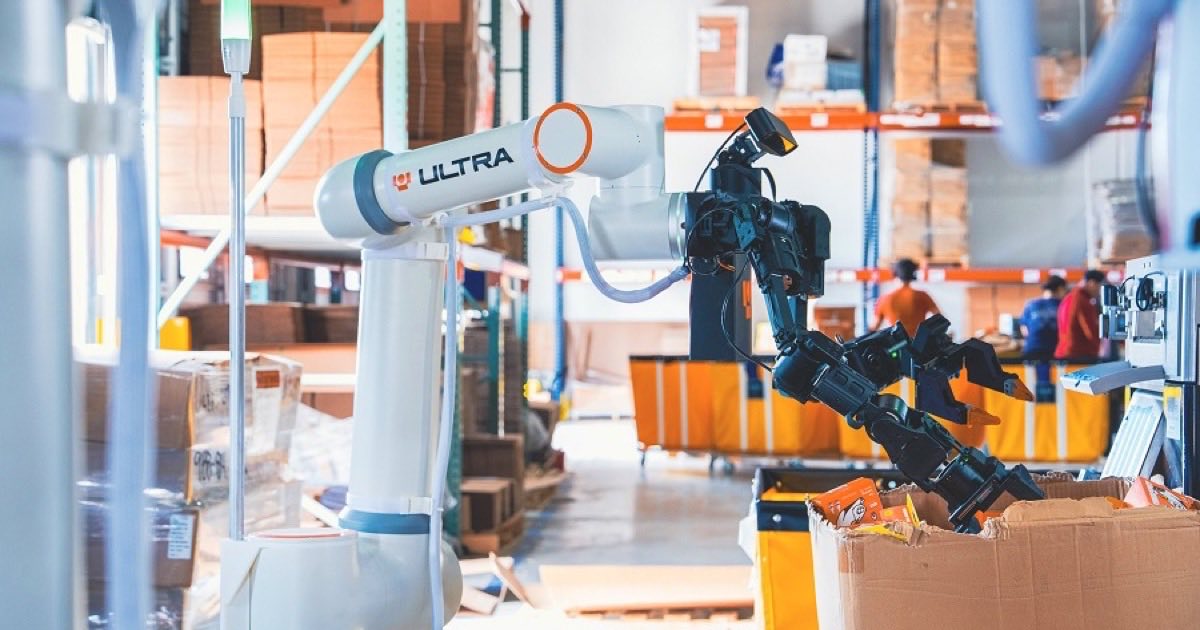
There is a healthy counterpoint, though, and we covered it yesterday: Ultra Robotics raised $62 million on the strength of half a million real orders processed by deliberately boring, arm-mounted, wall-powered robots. Walmart’s troubles are not evidence that warehouse automation is a bust. They are evidence that it is slow, uneven and stubbornly dependent on the shape of a cardboard box — which is exactly what a working technology looks like at scale, as opposed to on a stage.
For New Zealand readers, the useful takeaway is where the failure happens. Distribution centres automate first because their flows are predictable; the last metre of retail — the store backroom, the odd-size goods, the 3am restock — resists. Anyone reading the local grocery duopoly’s automation announcements with dollar-sign eyes should price in Walmart’s experience: ten years and untold billions, and the peaches you ordered this morning were still picked by a human.
Sources: The Wall Street Journal (paywalled, facts corroborated below) · Futurism · NY Post · Business Model Analyst