If you live in Canada, this winter’s snow tires might be fitted by a robot. San Francisco startup PitPro Automation said on 23 September 2026 that its first automatic tire-changing system is now working at a Kal Tire location in Calgary — one of Canada’s largest independent tire chains, and the first real-world deployment for a machine the company has been talking about for a year.
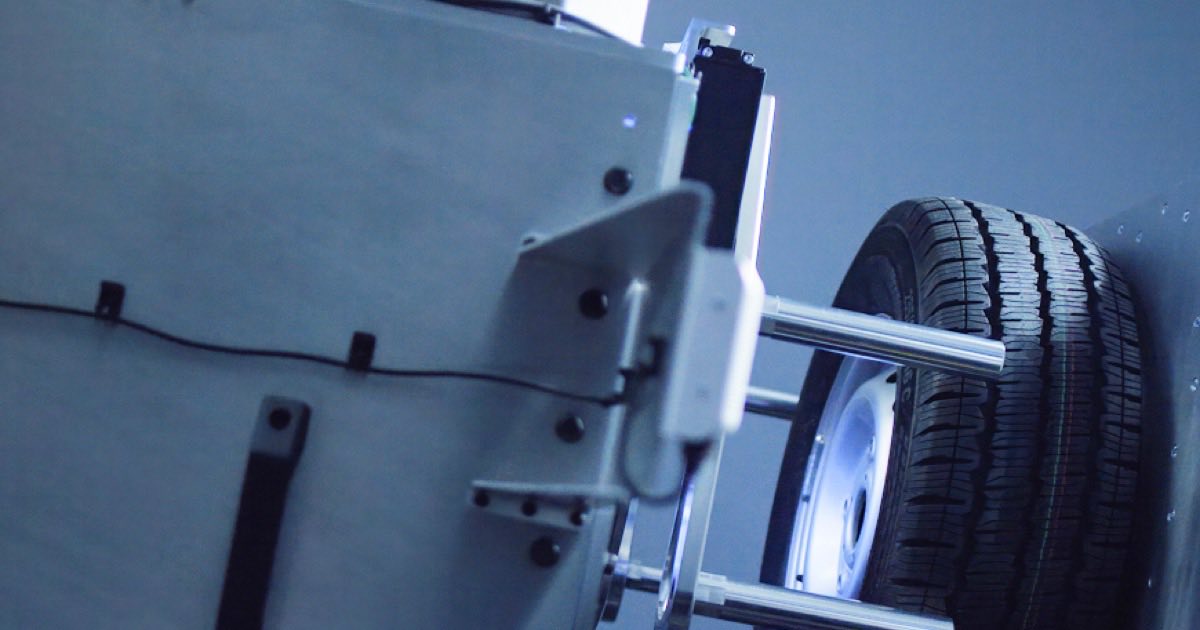
The numbers first, because they are the pitch. PitPro says the system swaps a full set of four tires in under 15 minutes. The hardware is two boxy robots, each roughly the size of an oven, that slide into an existing maintenance bay. Sensors and a robotic arm locate and loosen the lug nuts, store them, pull each wheel off, and fit a new or rotated tire. No pit, no gantry, no rebuild of the shop — the bay still works for normal servicing when the robots are idle.
Why tires, of all things
Founder and CEO Jeremy Conrad’s answer is less about the romance of automation and more about the arithmetic of hiring. Tire changing is, in his word, “backbreaking” work, and tire shops face chronic labor shortages — and even when they find people, those workers often leave within months.
“One shop manager was telling me they had to get special permission to pay more because a Panda Express opened across the street and it took about half their employees,” Conrad told TechCrunch.
That quote is doing a lot of work, because it locates the problem precisely: this is not a wages-only story, it is a competition-for-bodies story, and the food court is winning. It is the same demographic pressure Japan’s factory floors ran into years ago — and the same one that has Toyota building its own army of 400,000 factory robots rather than waiting for the labor market to fix itself. The tire bay is just the newest front.
Fleets first, then everyone
PitPro has mostly pitched its robots at commercial fleets until now, and that remains the core plan — the company has former Ford Pro chief Ted Cannis advising on fleet deals, and Conrad credits him with introductions across the major US fleets. But tire chains are the second front, and Calgary makes the case: Canada’s annual winter-tire swap creates a recurring, predictable surge of exactly the work nobody wants to do by hand.
Conrad’s logic for targeting chains rather than independents is pragmatic. Chains have standardized layouts, so a system that fits one Kal Tire bay fits the next hundred. And because the robots slide into a working bay, a shop can trial them without giving up capacity — the trial cost is low, which is how a first deployment becomes a rollout.
Dust, dandelions, and the rest of the real world
The Calgary install has already taught PitPro what demo units never learn. Tire shops run with the bay doors open, so the robots eat dust, debris, and weather all day.
“We looked into it, and it’s not going to be a problem for us,” Conrad said of the dust. “I had never thought about that we might need to deal with a dust cloud of dandelions.”
That is the honest state of physical AI in 2026: the manipulation problem is solvable, and the surprise comes from everything around it. Humanoids get the headlines — Figure’s robot climbing a ladder autonomously is genuinely impressive — but the robots actually collecting revenue this year are the narrow, boring ones doing one unpleasant job well. A machine that fits snow tires in a Calgary winter is a better business than a demo reel. It just has to survive the dandelions first.
FAQ
Where is PitPro’s first tire-changing robot deployed? At a Kal Tire location in Calgary, Alberta, per the company’s 23 September 2026 announcement — the system’s first real-world installation.
How fast is it? PitPro says a full set of four tires takes under 15 minutes, fitted by two oven-sized robots working in an existing maintenance bay.
Who is PitPro’s target market? Commercial fleets remain the focus — advised by former Ford Pro chief Ted Cannis — with tire chains like Kal Tire as a second line of business, chosen for their standardized bays and repeat demand.