Xiaomi unveiled its next-generation humanoid robot at the 2026 World Robot Conference in Beijing on August 19, and the story is not what it did on stage. It is what it did before it got there.
The robot spent four months training on a real Xiaomi auto production line. Not in a lab. Not in a demo room. On a factory floor where, as founder Lei Jun put it, “a lab can pursue a success after ten thousand failures, while a factory must succeed on ten thousand straight tasks.”
At the conference, the robot performed as a florist — autonomously grasping bouquets and handing them to visitors, completing handshakes and fist bumps. These actions relied not on preset scripts but on model-based autonomous decision-making. The display drew crowds. But the numbers that matter came from the factory, not the showroom.
The factory numbers
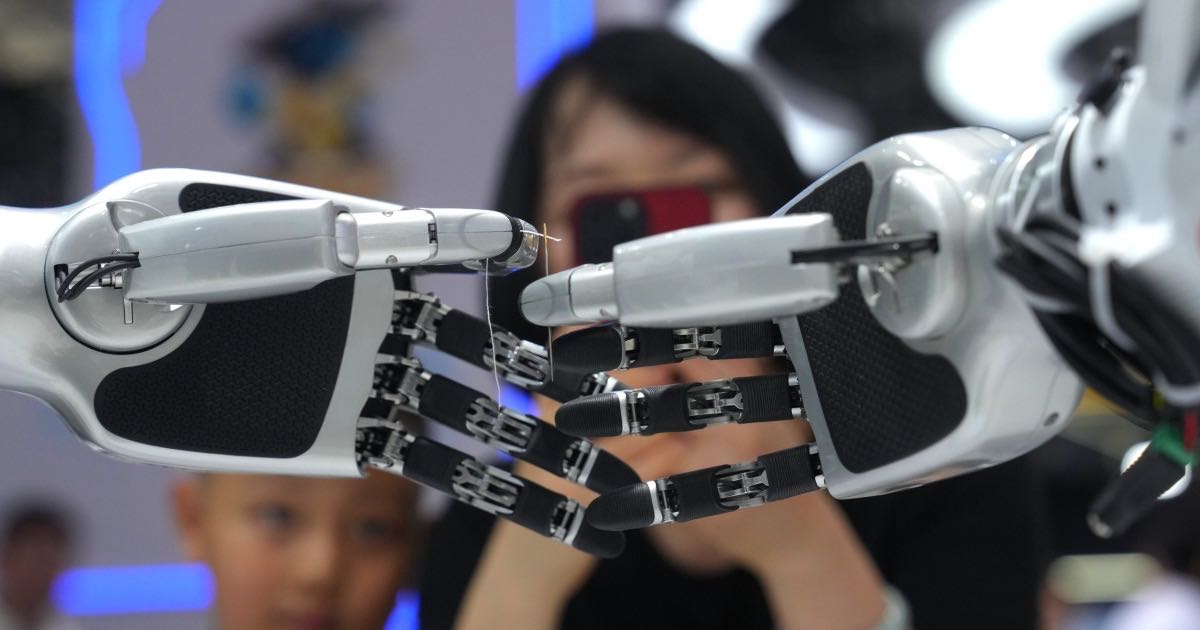
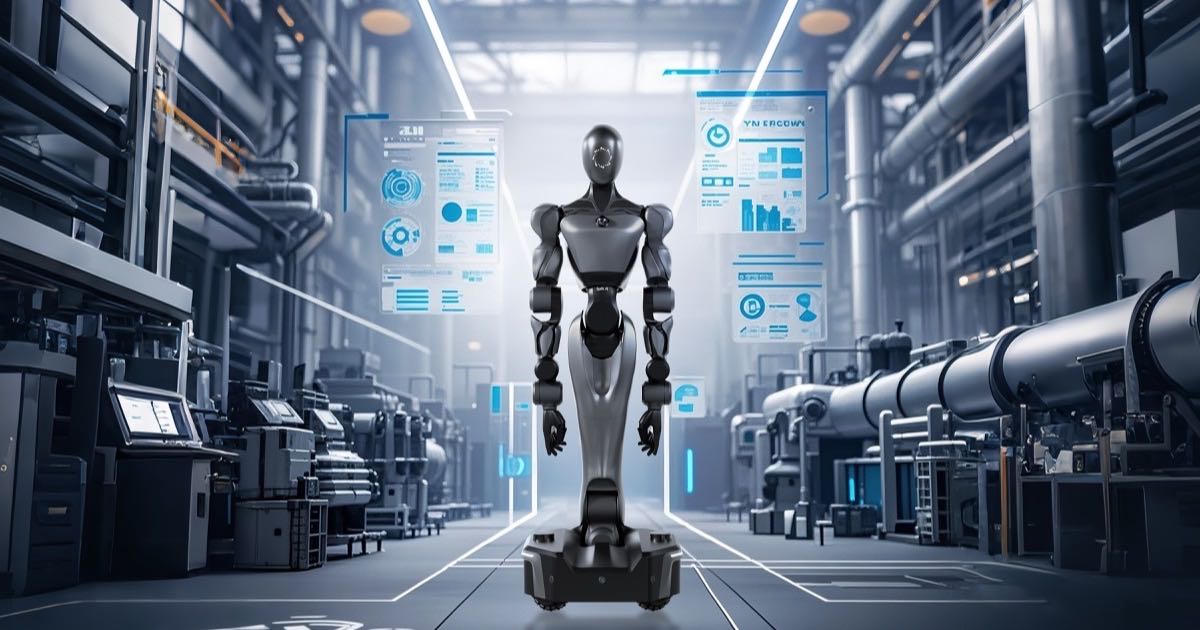
The robot, continuing the CyberOne “Tieda” product code, stands 1.70 metres tall and weighs 66 kilograms, with 66 degrees of freedom — 33 in the hands alone. It ran autonomously at a die-casting workshop’s self-tapping nut station for three hours, hitting a 90.2 per cent installation success rate while meeting a 76-second cycle time.
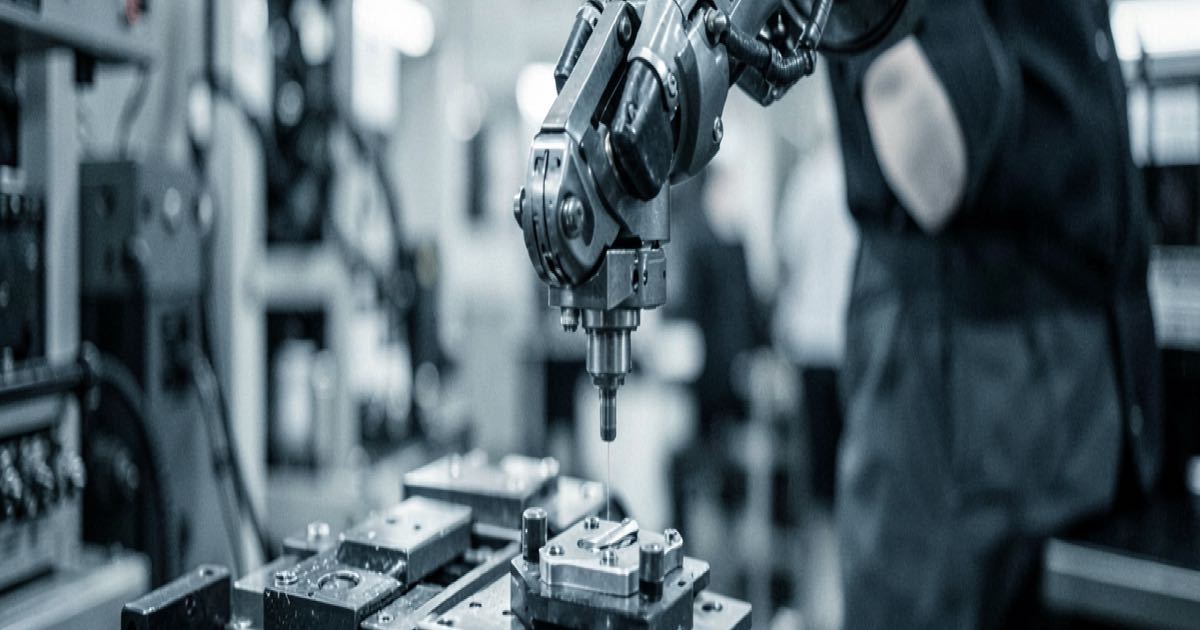
By July, both-side success at the nut station had risen to 98 per cent. Cover loading and box folding reached 90 per cent. Long-duration flexible-part work was achieved for the first time. At a centre-console side-cover sorting task, the robot reached into a material box, switched hands to adjust its grip, and held a flexible cover into the corresponding slot. For box folding, it used a dexterous hand to open a lock ring, coordinated both arms, and pushed folded boxes to a storage spot.
These are not flashy tasks. They are the repetitive, precision-dependent jobs that factories need done reliably, thousands of times per shift, without a human intervening every few minutes to correct a misaligned grasp.
Why four months of factory training matters
Most humanoid robot demonstrations you see online are either teleoperated, pre-programmed, or running in controlled environments where the lighting, object positions, and surfaces never change. The gap between those demos and a robot that can work a real production line is enormous. Xiaomi’s approach — sending the robot to the factory as what Lei Jun called an “intern” — is one way to bridge it.
The robot draws on the open-source Xiaomi-Robotics-0 base, which combines multimodal perception with reinforcement learning. In July, Xiaomi said its embodied model Xiaomi-Robotics-1 ranked first globally on the Robocasa365 and RoboDojo benchmarks. Those are simulated environments. The factory is not. The 90.2 per cent success rate at nut-tapping, rising to 98 per cent over weeks, is the kind of data that tells you whether a robot is ready for real work or still belongs in a video.
Xiaomi entered humanoid robotics around 2021 and released the first-generation CyberOne Tieda in 2022, with 21 whole-body degrees of freedom focused on interaction. That robot was far from industrial-grade. The new generation, with triple the degrees of freedom and real factory hours behind it, is a different category of machine.
The honest caveat
The robot business stays at prototype iteration with no independent external revenue. Lei Jun’s value framing — factory cost reduction and technology accumulation — is candid. Xiaomi is not selling this robot. It is heading to Europe after its Beijing debut, still a prototype.
The broader context is worth noting. As Unitree’s founder said at the same conference, humanoid robots’ “ChatGPT moment” — the point where a robot can handle 80 per cent of tasks in an unfamiliar home through voice commands alone — could be two to ten years away. Xiaomi’s factory-trained robot does not change that timeline. What it does is show a different path to commercial viability: not the general-purpose home assistant, but the specialised factory worker that earns its keep on a specific production line.
Global shipments of humanoid robots reached about 19,000 units in the first half of 2026, up 272 per cent from a year earlier, with Chinese makers accounting for 97 per cent of those sales, according to Morgan Stanley data reported by CNBC. Xiaomi is not the biggest player in that wave — Unitree’s IPO surge and Tesla Optimus dominate headlines — but the factory training approach is a data point worth watching.
Xiaomi reported Q2 2026 revenue of 108.9 billion yuan, down 6.1 per cent year over year, with R&D spending of 9.23 billion yuan, up 18.9 per cent. Lei Jun said R&D over five years has exceeded 100 billion yuan, with 60 billion directed at AI over three years. The robot is a small piece of that budget. The factory results suggest it is not wasted.
❓ FAQ
What is Xiaomi’s new humanoid robot? A next-generation prototype continuing the CyberOne “Tieda” line, standing 1.70 metres tall with 66 degrees of freedom. It was unveiled at the 2026 World Robot Conference in Beijing on August 19.
What makes it different from other humanoid demos? It trained for four months on a real Xiaomi auto production line, hitting a 98 per cent success rate at nut-tapping tasks. Most humanoid demos are lab-based or pre-programmed.
Can you buy it? No. Xiaomi says the robot business is still at prototype iteration with no independent external revenue. It is heading to Europe after its Beijing debut.
How does it compare to Unitree or Tesla Optimus? Xiaomi’s robot is positioned within its human-vehicle-home ecosystem strategy and focuses on factory training rather than consumer sales. Unitree just went public with a $66 billion valuation, and Tesla Optimus targets volume production. Xiaomi is earlier in commercial deployment but ahead in factory training data.
What is Xiaomi-Robotics-0? An open-source robotics base model from Xiaomi that combines multimodal perception with reinforcement learning. The company says its Xiaomi-Robotics-1 model ranks first globally on the Robocasa365 and RoboDojo benchmarks.