SoftBank is in talks to acquire a controlling stake in 1X Technologies, the Norwegian humanoid robot maker backed by OpenAI, at a valuation of roughly $6 billion. The discussions, first reported by The Information on August 26 and confirmed by multiple outlets, would mark Masayoshi Son’s most direct bet on consumer humanoid robotics — but the price tag tells a more complicated story than the headline suggests.
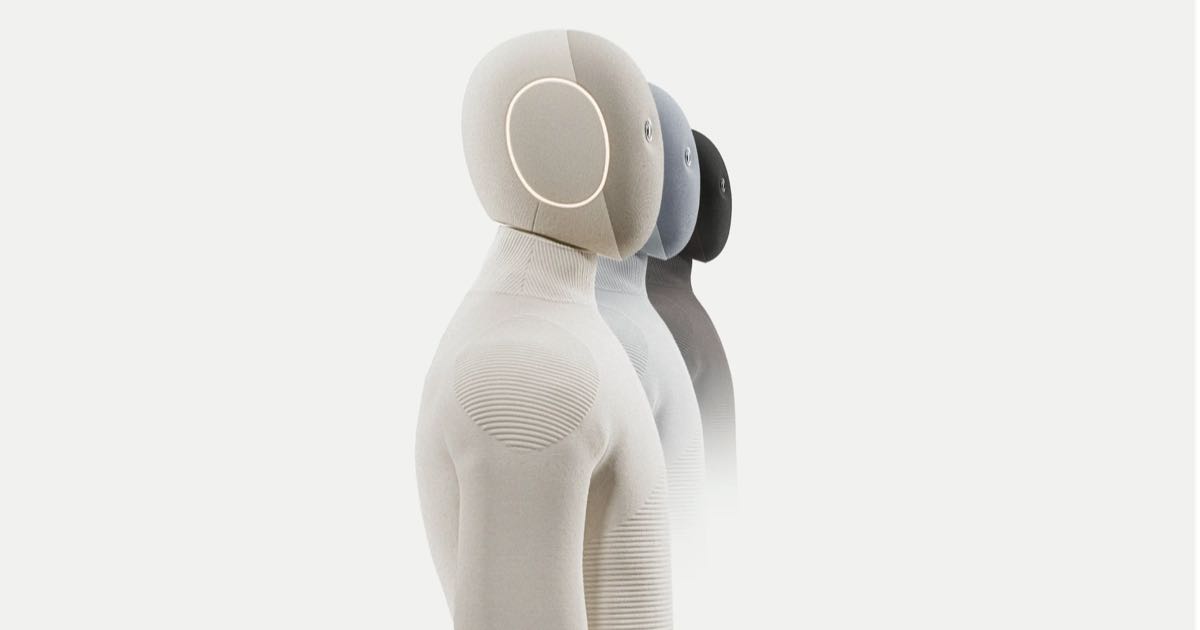
What is 1X Technologies? Founded in 2014 as Halodi Robotics in Moss, Norway, 1X builds humanoid robots designed for home environments rather than factory floors. Its flagship product, NEO, is priced at $20,000 for early access with a $499 monthly subscription option. The company says it received more than 10,000 preorders in the first week after opening orders. No units have shipped to paying customers yet.
The valuation gap
The $6 billion figure is notable not for its size but for what it isn’t. Last autumn, 1X attempted to raise $1 billion at a $10 billion valuation. According to The Information’s reporting, the startup landed less than half that target. If SoftBank’s talks conclude near $6 billion, 1X would be sold at a 40 per cent discount to its own ambition from twelve months ago.
That gap matters. It suggests that even as humanoid robot shipments surge — Counterpoint Research reported global deliveries exceeded 22,000 units in the first half of 2026, up nearly 300 per cent year-on-year — investor appetite for the companies building them is more selective than the shipping numbers imply. Unitree’s Shanghai IPO tells the same story from the other direction: a 460 per cent pop on debut, followed by a 45 per cent decline over the next three sessions that erased roughly $30 billion from its peak valuation.
The OpenAI connection
What makes this deal structurally interesting is the web of relationships. 1X is already an OpenAI-backed company — the OpenAI Startup Fund led a $23.5 million Series A2 round in 2023 alongside Tiger Global and Norwegian investors. SoftBank, meanwhile, has committed over $34.6 billion to OpenAI since September 2024, with a third $10 billion tranche scheduled for October.
A deal would place 1X under a conglomerate that already carries enormous financial exposure to OpenAI. That’s either a synergistic play — SoftBank backing the software layer and the hardware layer simultaneously — or a concentration risk that makes SoftBank’s share price increasingly sensitive to OpenAI headlines. Shares fell more than 12 per cent in June after reports that OpenAI executives were weighing a delayed public listing until 2027.
The broader robotics portfolio
The 1X talks don’t happen in isolation. SoftBank is simultaneously closing a $5.375 billion acquisition of ABB’s robotics division, expected to finalise in mid-to-late 2026. That gives it industrial robotic arms and factory automation systems — a completely different market from 1X’s home-focused androids.
Together, the two acquisitions would span both ends of the robotics spectrum: factory-floor automation and consumer-facing humanoid machines. That’s a deliberate hedge, spreading bets across use cases rather than betting everything on one product category.
SoftBank’s robotics history adds nuance. The company previously invested in the Pepper humanoid robot and held a stake in Boston Dynamics, selling 80 per cent back in 2021 and divesting its remaining shares this past July. The current push is larger, more capital-intensive, and more strategically aligned with AI — but Son has walked away from robotics bets before.
What stands out
The part worth paying attention to is the contrast between the shipping data and the valuation data. Chinese manufacturers AGIBOT and Unitree alone accounted for roughly 75 per cent of the 22,000-plus humanoid shipments in H1 2026. 1X shipped zero. Yet SoftBank is willing to put a $6 billion valuation on a company whose primary achievement so far is 10,000 preorders for a product that doesn’t exist in customers’ homes yet.
That’s either conviction that the home robotics market will dwarf the industrial one, or it’s a bet on the OpenAI relationship itself — the idea that whoever controls the physical embodiment of AI models will capture value that pure software companies cannot. Either way, paying $6 billion for a pre-revenue robot company is a statement about where SoftBank thinks the puck is going, not where it is.
This follows our earlier coverage of SoftBank’s sovereign physical AI push with Sony and Honda, as well as Unitree’s IPO and the humanoid market’s volatility. The ABB deal, covered in our broader robotics investment tracker, gives SoftBank industrial scale; 1X would give it a consumer face.
Both SoftBank and 1X declined to comment. Reuters said it could not independently confirm The Information’s reporting. The terms could still shift before any agreement is signed.